South India's great Hindu empire, whose capital Hampi was so vast travelers compared it to Rome — until the Battle of Talikota in 1565 left it to be looted for months.
Born
1336 CE
Died
1646 CE
Lived
310 years
Dead for
380 yrs
Cause of death
Conquest
Replaced by
Deccan Sultanates; Nayaka successor states
The Obituary
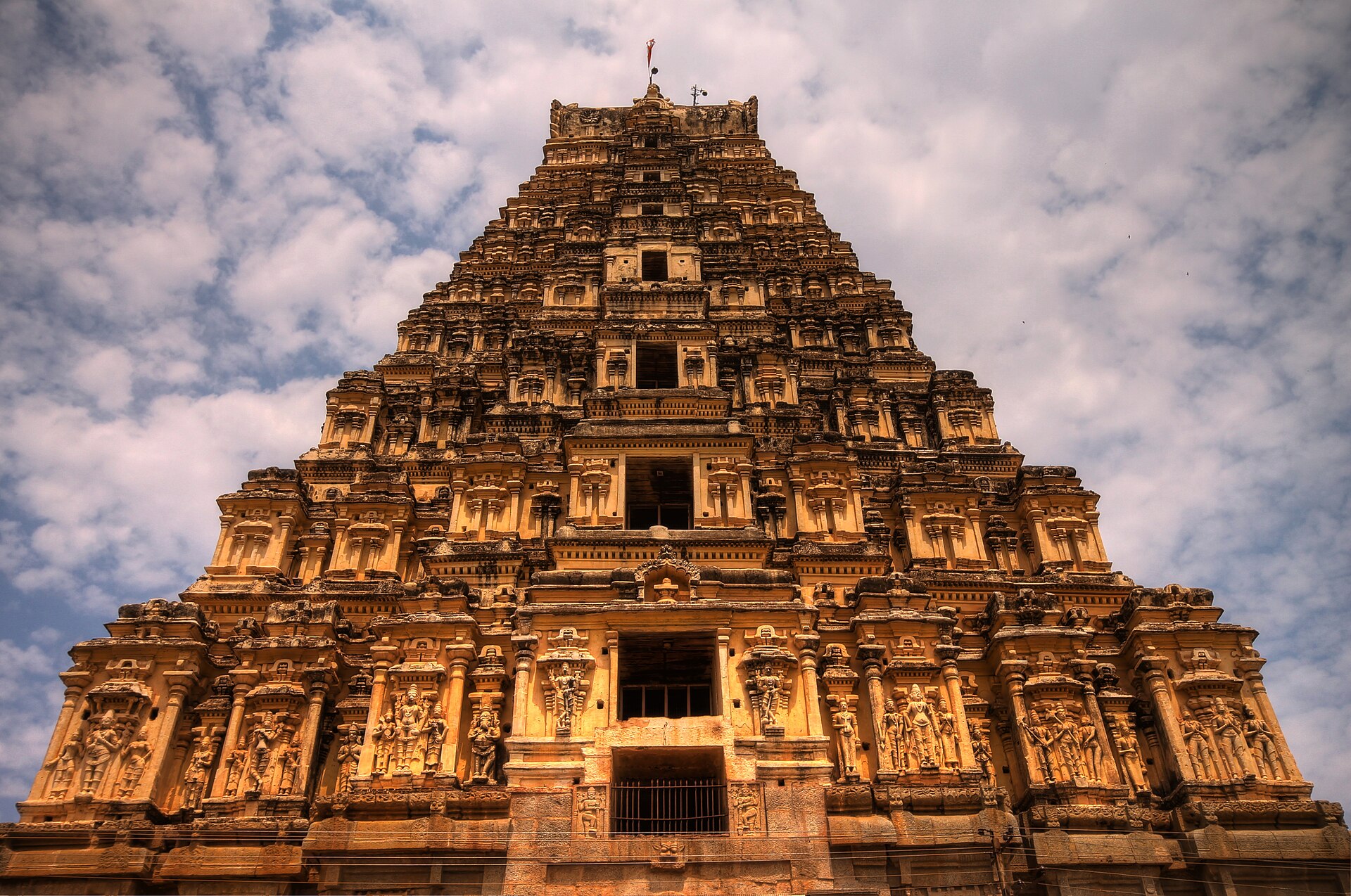
Vijayanagara rose in 1336 as a Hindu power in the Deccan, a bulwark against the expansion of the northern sultanates. For two centuries it flourished, controlling much of southern India and growing immensely rich on trade in cotton, spices, and gems. Its capital, Hampi, drew astonished accounts from foreign travelers who compared it to the greatest cities they knew. The reckoning came in 1565 at Talikota, where a coalition of Deccan Sultanates destroyed the empire’s army. The victors looted and burned Hampi for months. Remnant rulers held on until 1646, but the empire never recovered.
Worth remembering
Its capital Hampi was among the largest cities in the world around 1500, with an estimated half-million inhabitants.
Portuguese and Persian visitors described markets piled with diamonds and a city of irrigation canals and grand temples.
Gallery
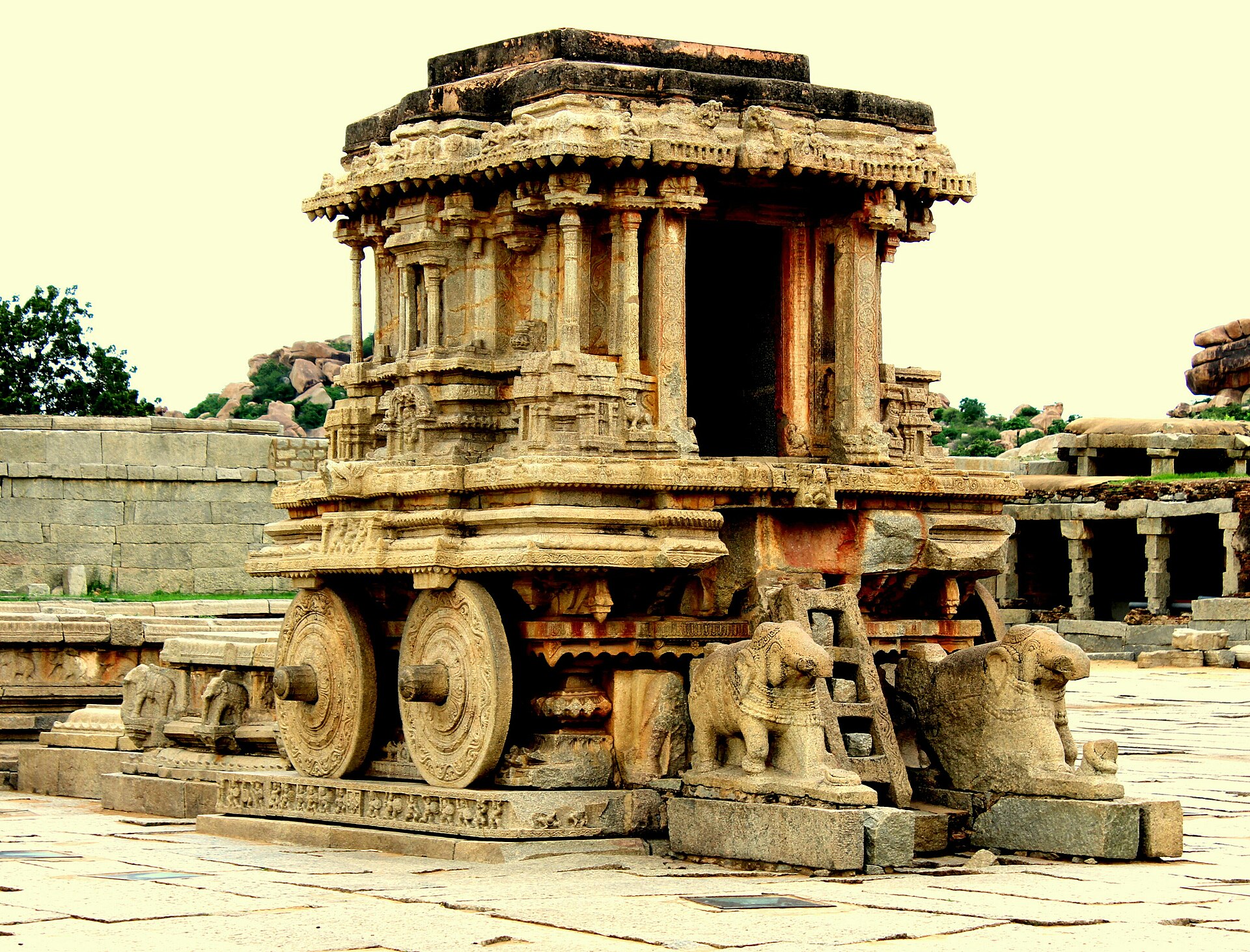
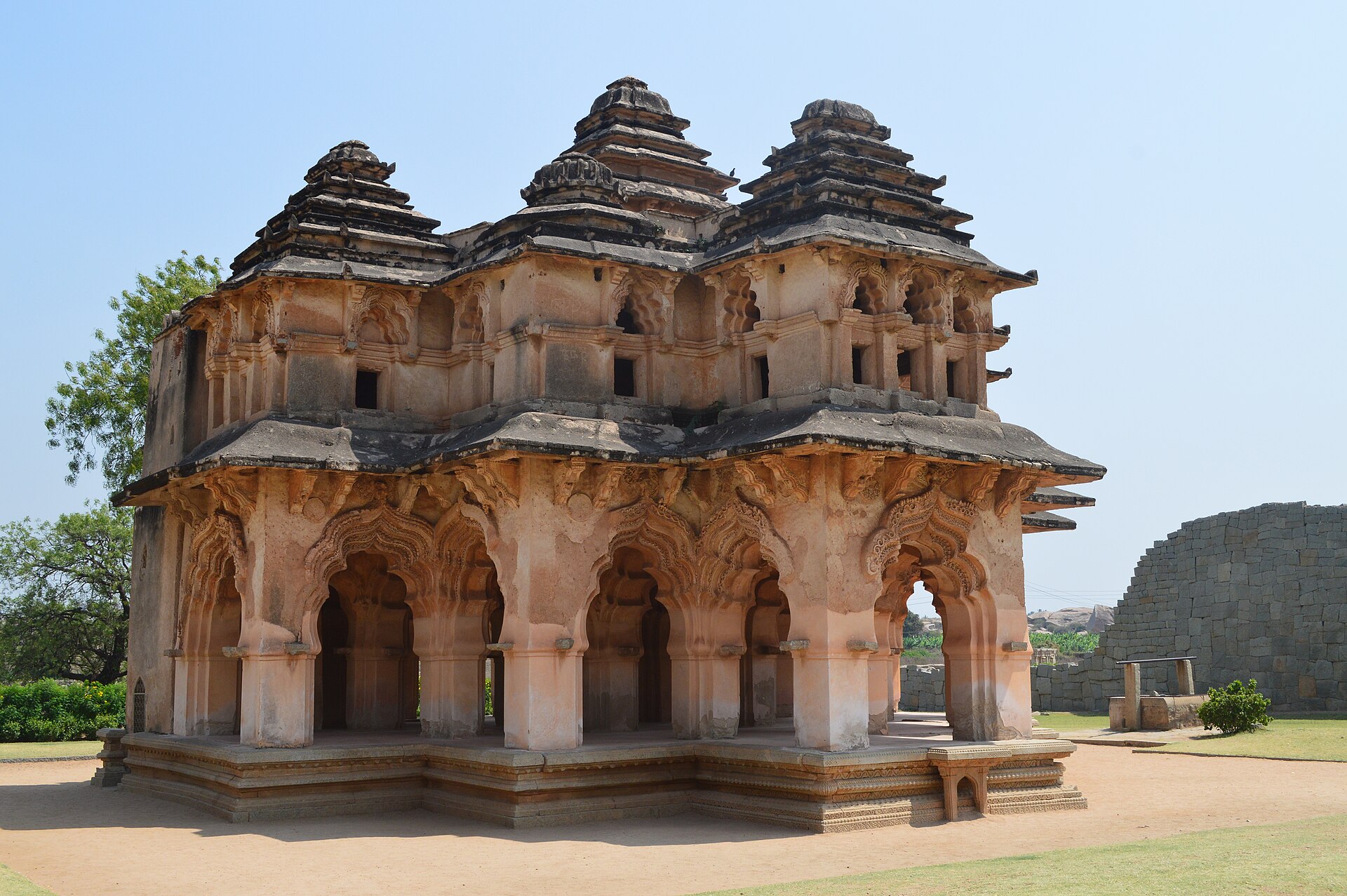
Stone Chariot shrine at the Vittala Temple complex, HampiSanyam Bahga · CC BY-SA 4.0The Lotus Mahal pavilion in the royal enclosure at HampiSanyam Bahga · CC BY-SA 4.0
Sources
Vijayanagara Empire founded 1336; decisively defeated at the Battle of Talikota in 1565 Wikipedia
Battle of Talikota (1565) saw the Deccan Sultanates rout Vijayanagara and sack Hampi Wikipedia
Hampi, the Vijayanagara capital, retains more than 1,600 surviving monuments across a 16-square-mile site in Karnataka; inscribed on the UNESCO World Heritage List in 1986 Encyclopaedia Britannica
Vijayanagara was founded in 1336 as a Sanskrit 'City of Victory'; foreign travellers described its markets and temples as among the greatest they had seen, before the city was destroyed and looted after Talikota in 1565 Encyclopaedia Britannica
A graveyard tradition: leave a stone to show you came, and remembered.
Buried nearby — by shared fate or a neighbouring lifespan.