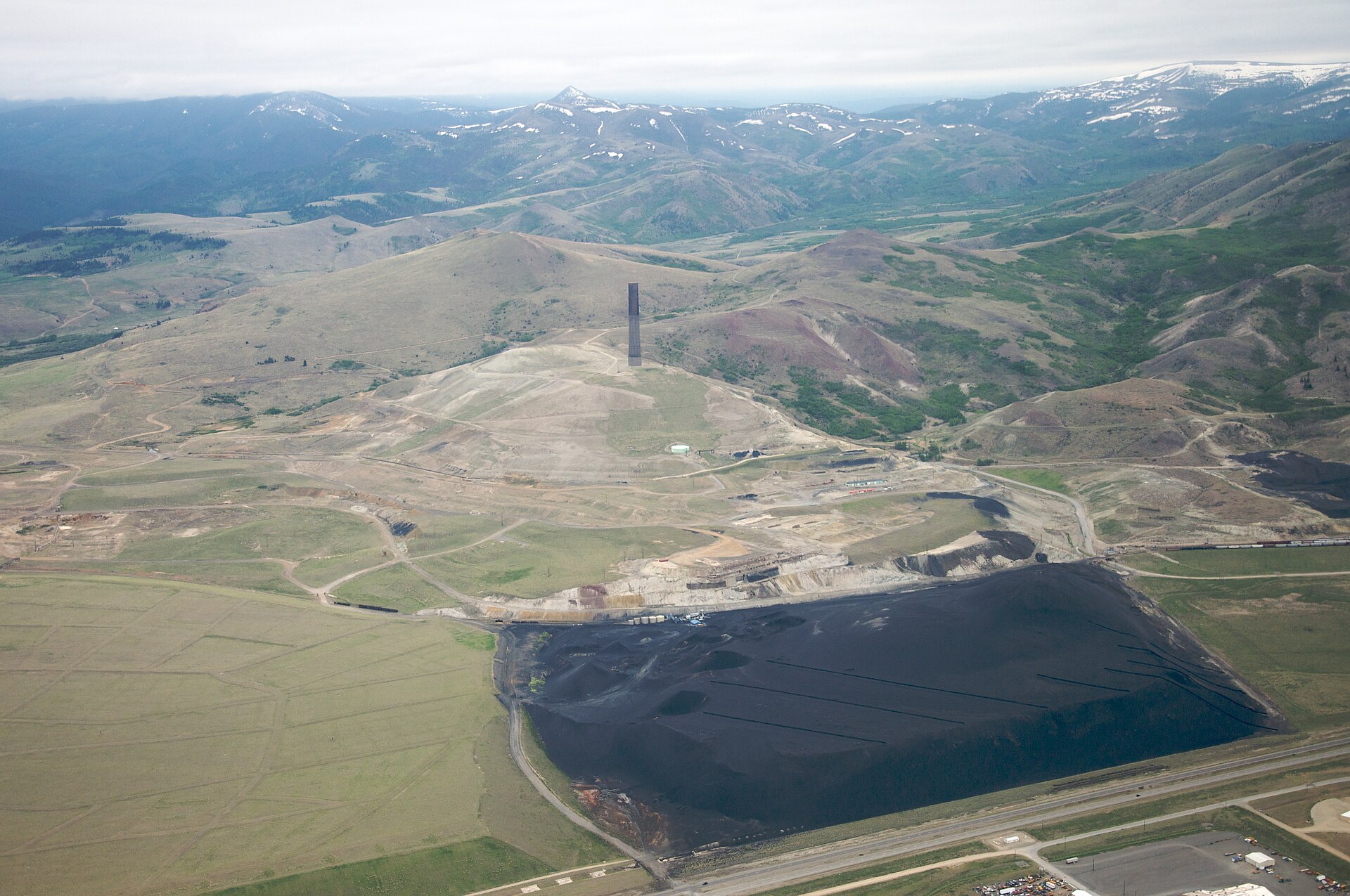
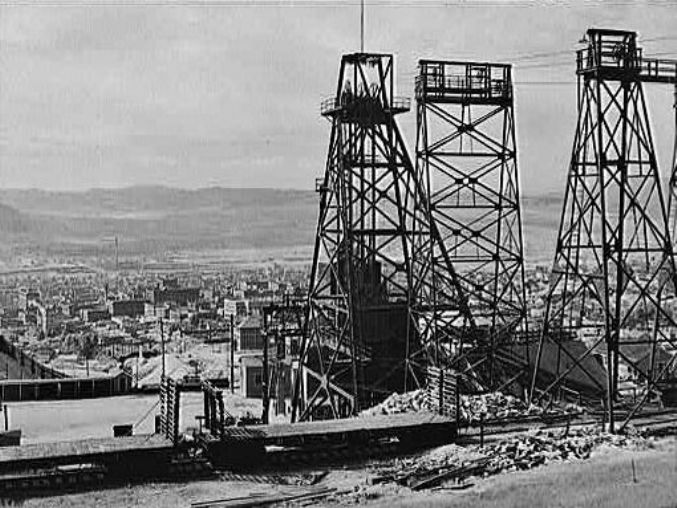
Anaconda grew out of “the richest hill on earth,” the copper mountain under Butte, Montana, that Marcus Daly began working in 1881. By the early twentieth century it was one of the largest corporations in the world and the unchallenged master of its home state: it employed Montana, owned much of its press, and ran its politics so completely that Montanans simply called it “the Company.” Its reach extended far beyond Montana, above all to Chile, where its Chuquicamata mine was the biggest open-pit copper operation on the planet and the source of most of Anaconda’s profit.
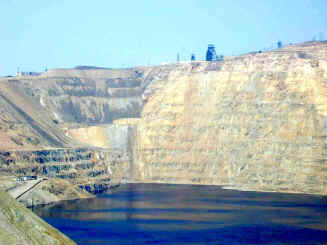
That concentration of value in Chile is what killed it. On 11 July 1971, under President Salvador Allende, the Chilean Congress voted unanimously to nationalise the great copper mines — Anaconda’s Chuquicamata and El Salvador among them — and the company lost the assets that made it rich at a stroke. Allende called the day a second independence; for Anaconda it was the beginning of the end. Stripped of its Chilean profits and squeezed by falling copper prices, the remnant could not stand alone, and in 1977 it was bought by the oil company ARCO and dissolved, the Anaconda name retired. What it left behind in Montana was the Berkeley Pit, a flooded open mine of acidic, metal-laden water that became one of the largest toxic-cleanup sites in the United States — the afterlife of the company that had owned the state.
Worth remembering
- For half a century Anaconda effectively owned Montana — at one point it controlled nine of the state's fourteen daily newspapers, and the phrase 'the copper collar' described the legislators, judges, and editors who did the company's bidding.
- Its Chilean mine Chuquicamata was the largest open-pit copper mine on earth and generated two-thirds to three-quarters of company profits — which is why losing it to nationalisation in 1971 was a fatal blow rather than a setback.
Gallery
Sources
- Anaconda's Chilean mines were nationalised by Chile in 1971; the company was sold to ARCO in 1977 and ceased to exist as a unified operation Encyclopaedia Britannica
- On 11 July 1971 Chile's Congress voted unanimously to nationalise the large copper mines, including Anaconda's Chuquicamata and El Salvador; Allende called it 'the second national Independence Day' Government of Chile
A graveyard tradition: leave a stone to show you came, and remembered.