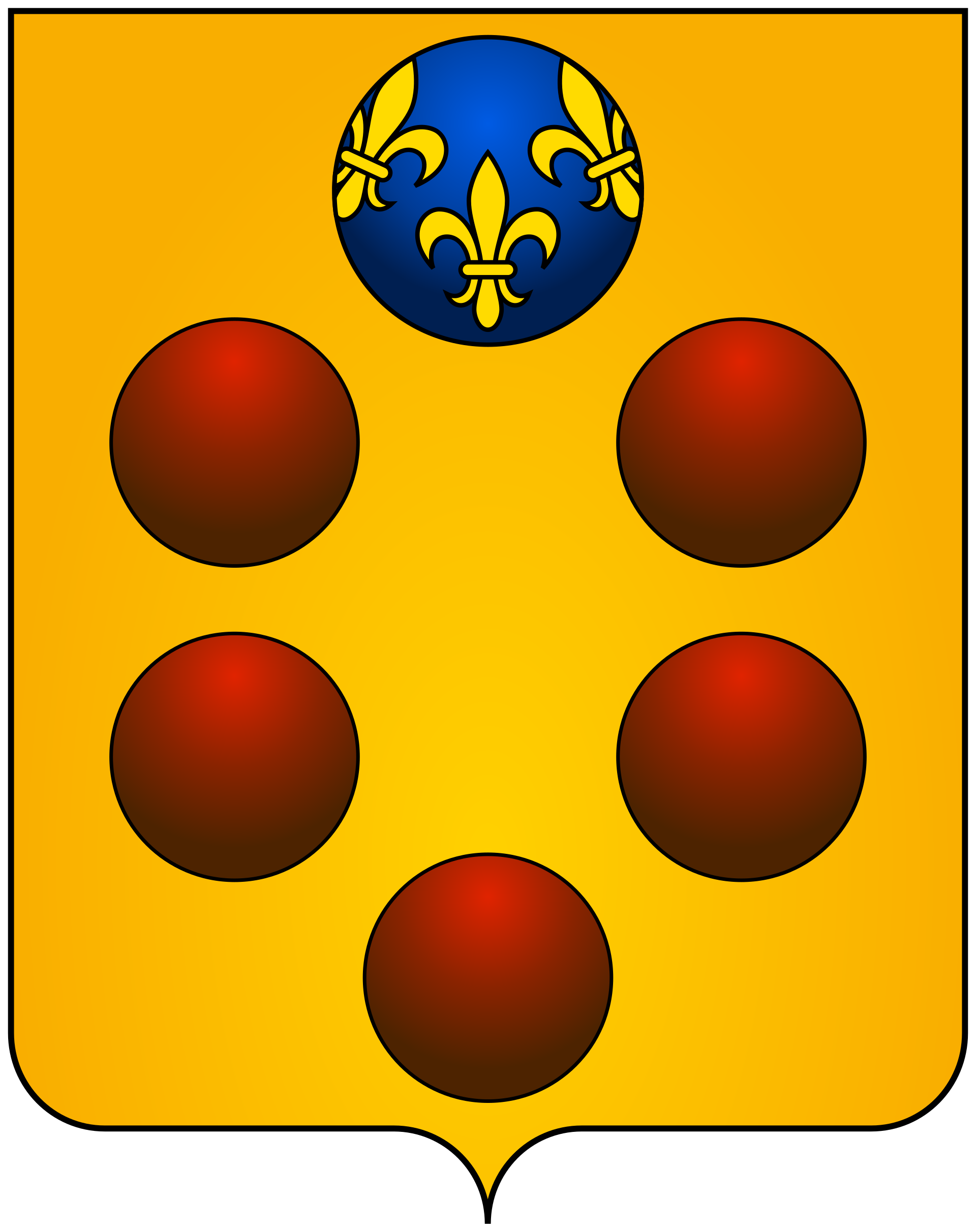
Founded in 1397 by Giovanni di Bicci de’ Medici, the Medici Bank became the financial engine of the Italian Renaissance. It was the largest bank in Europe, with branches from Florence to London and Bruges, and it held the most prestigious account in Christendom: the papacy. The fortune it generated paid for the art and architecture that still defines Florence, and turned a merchant family into princes.
Its decline was a slow rot at the management level. Under Giovanni’s descendants the bank made large, politically motivated loans that were never repaid — including to monarchs who simply defaulted — while semi-autonomous branch managers took reckless risks the head office failed to control. By the time Lorenzo the Magnificent presided over it, the bank was quietly insolvent. In 1494 the French invaded, the Medici were expelled from Florence, and the bank’s assets were seized and scattered. The institution that bankrolled the rebirth of Western art was killed by something every banker is supposed to understand: bad loans.
Worth remembering
- Its profits paid for Botticelli, Michelangelo, and Brunelleschi's dome — the bank that quite literally bankrolled the Renaissance.
- It helped popularise double-entry bookkeeping and the holding-company structure, and served as banker to four popes.
Gallery
Sources
- Medici Bank, founded 1397, was the largest and most respected in 15th-c. Europe; declined and collapsed by 1494 Wikipedia
- The Medici family's wealth, papal banking, and patronage of the Renaissance Wikipedia
- The Medici Bank, founded in Florence in 1397, became the largest and most respected bank in 15th-century Europe, with branches across the continent and the papacy among its clients, before mismanagement and bad loans led to its closure in 1494. Encyclopaedia Britannica
A graveyard tradition: leave a stone to show you came, and remembered.