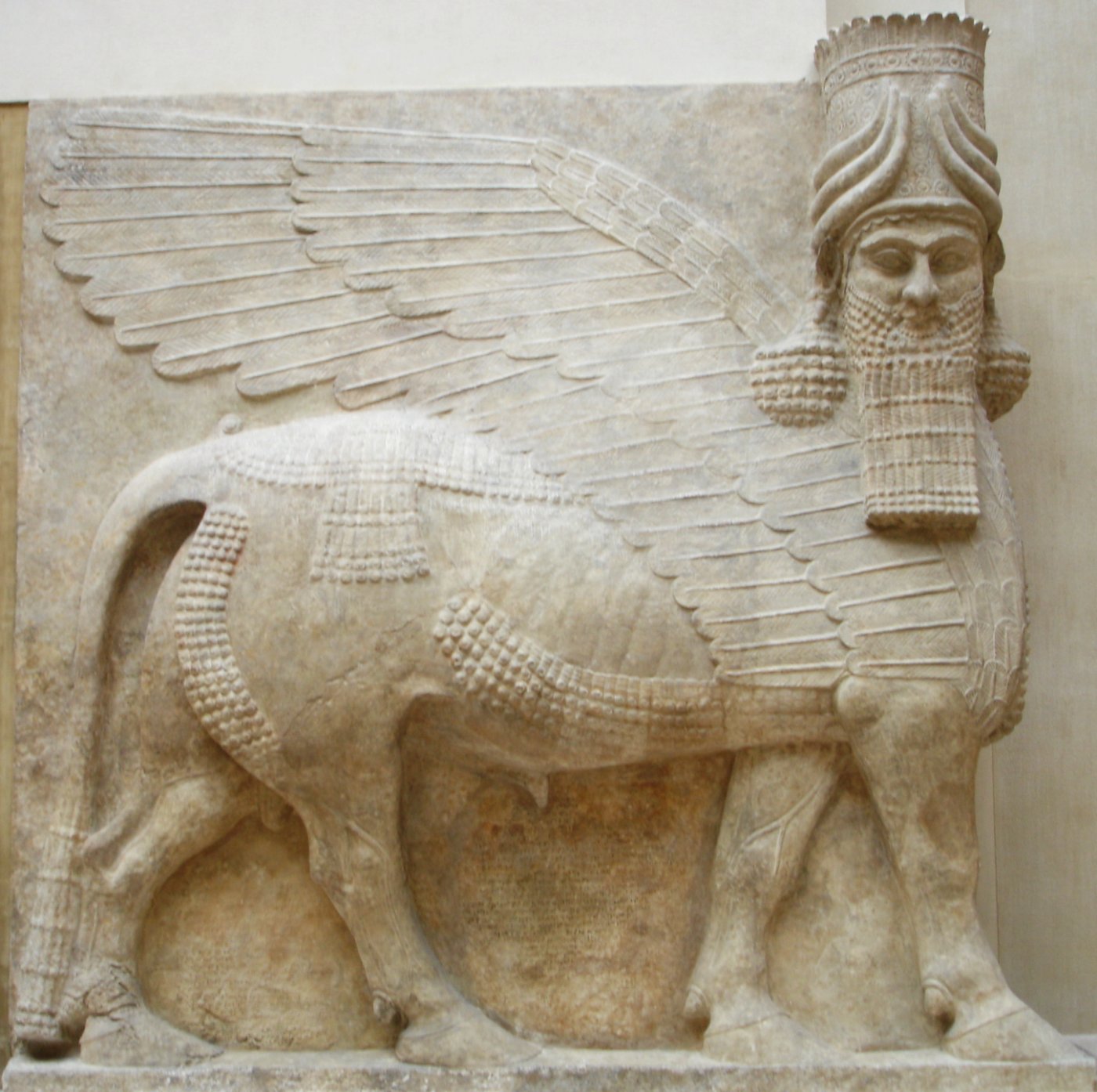
For three centuries the Neo-Assyrian Empire was the most powerful state on Earth, the first to rule from the Nile to the Persian Gulf. Its kings built Nineveh into one of the great cities of the ancient world and pioneered the machinery of empire — standing armies, mass deportation, a road network for couriers.
In 612 BCE a coalition of Babylonians and Medes stormed Nineveh and razed it. By 609 BCE the last Assyrian army was destroyed at Harran. The destruction was so total that the city vanished under its own mounds; classical writers half-believed Nineveh was a legend, and it was not securely rediscovered until the 1840s. An empire that terrified the ancient world spent two thousand years as a rumour.
Worth remembering
- Ashurbanipal's library at Nineveh was the first systematically collected library in history — and the clay tablets that survived its burning preserved the Epic of Gilgamesh.
- Assyrian kings turned terror into policy, boasting in stone of the cities they flayed — while building the roads and courier relays every later empire would copy.
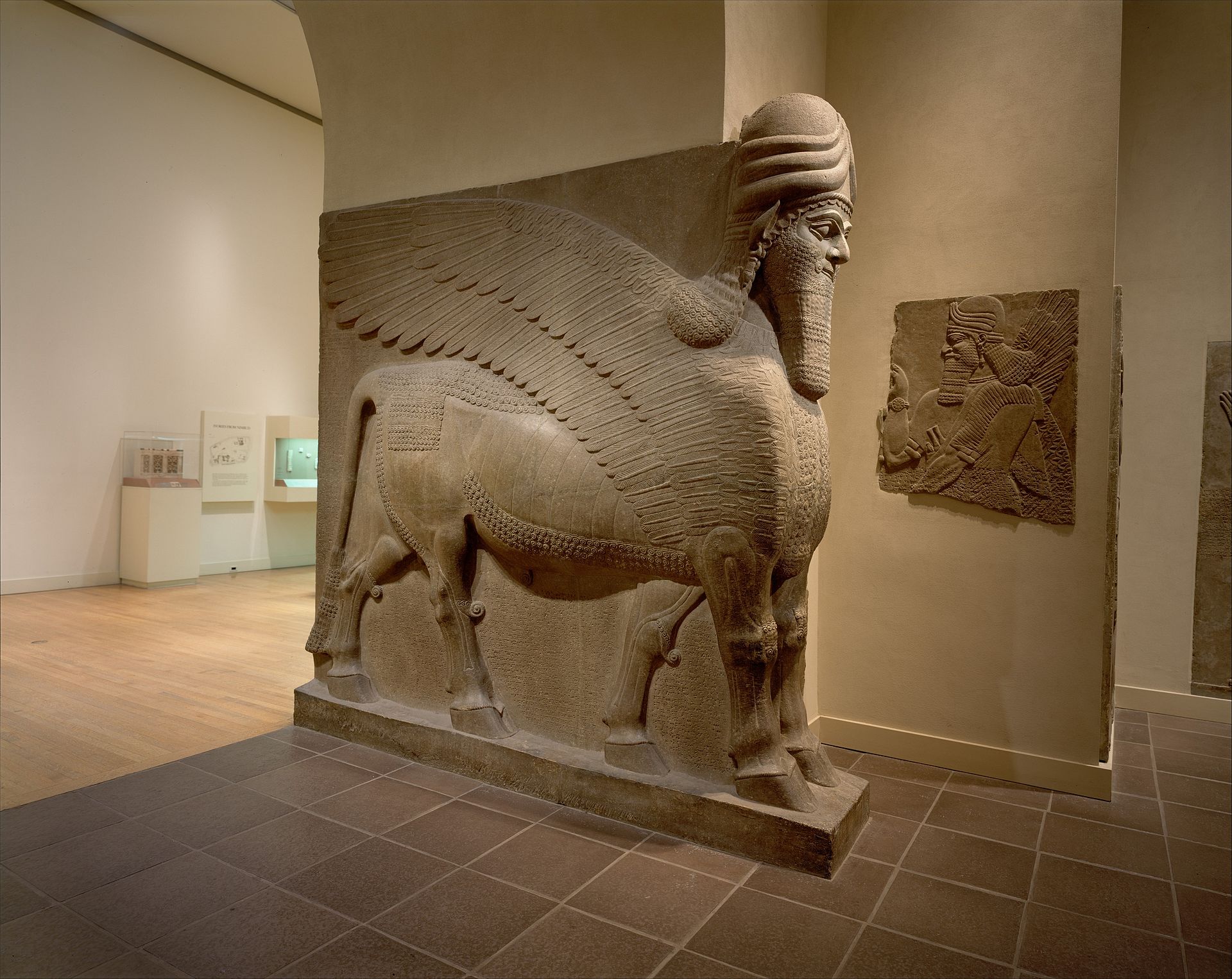
Gallery
Watch
Sources
- Neo-Assyrian Empire c. 911-609 BCE; largest of its era Encyclopaedia Britannica
- Nineveh sacked 612 BCE; final defeat at Harran 609 BCE Wikipedia
- The Neo-Assyrian Empire pioneered the use of iron weapons, standing professional armies, and systematic mass deportations of conquered peoples to reshape the ancient Near East World History Encyclopedia
- Ashurbanipal assembled the first systematically collected library in history at Nineveh, with over 30,000 clay tablet texts including multiple copies of the Epic of Gilgamesh World History Encyclopedia
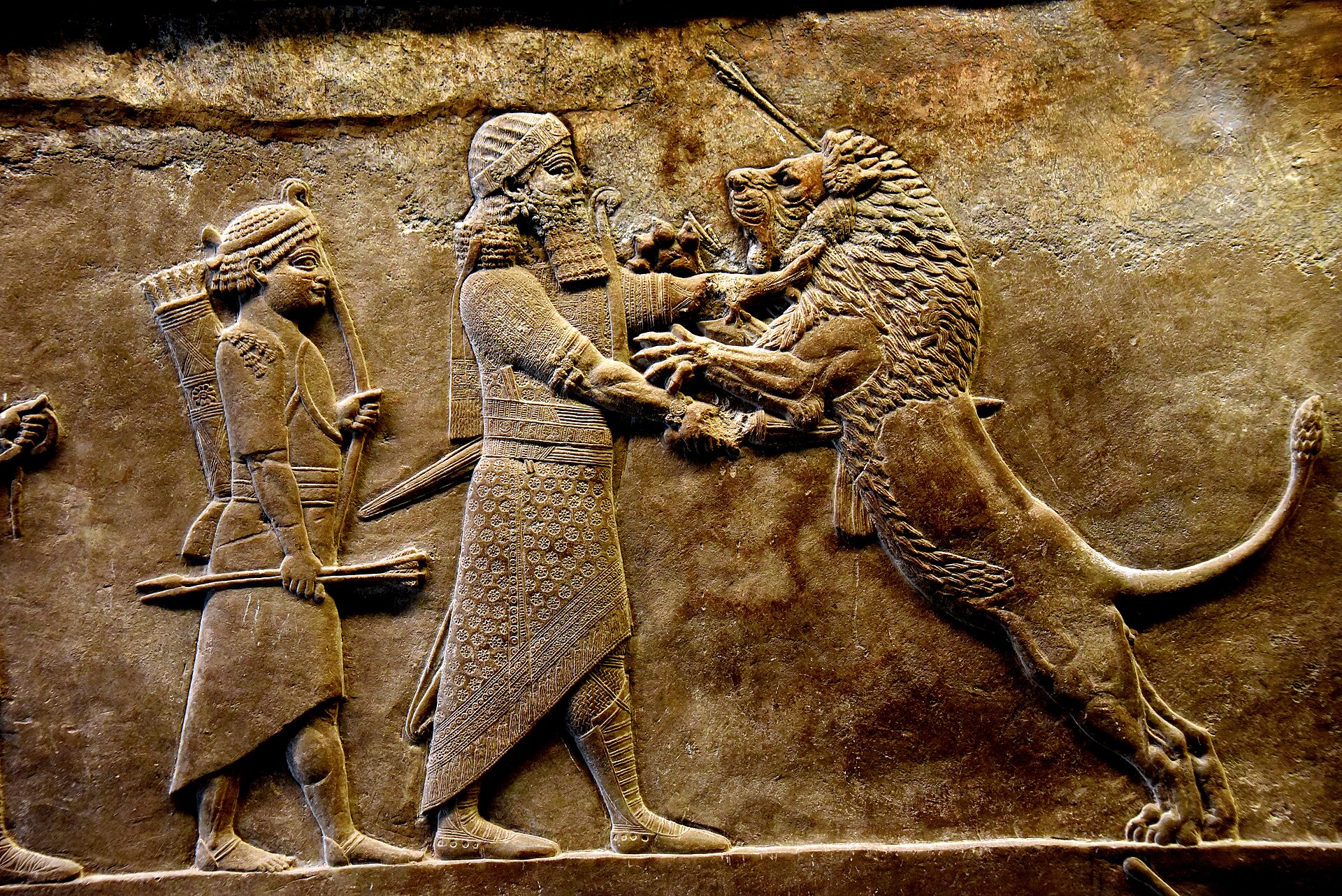
- Ashurbanipal's reign (668–627 BCE) represented the apex of Neo-Assyrian power; his palace at Nineveh contained celebrated lion-hunt reliefs and the largest known cuneiform archive of the ancient world World History Encyclopedia
A graveyard tradition: leave a stone to show you came, and remembered.