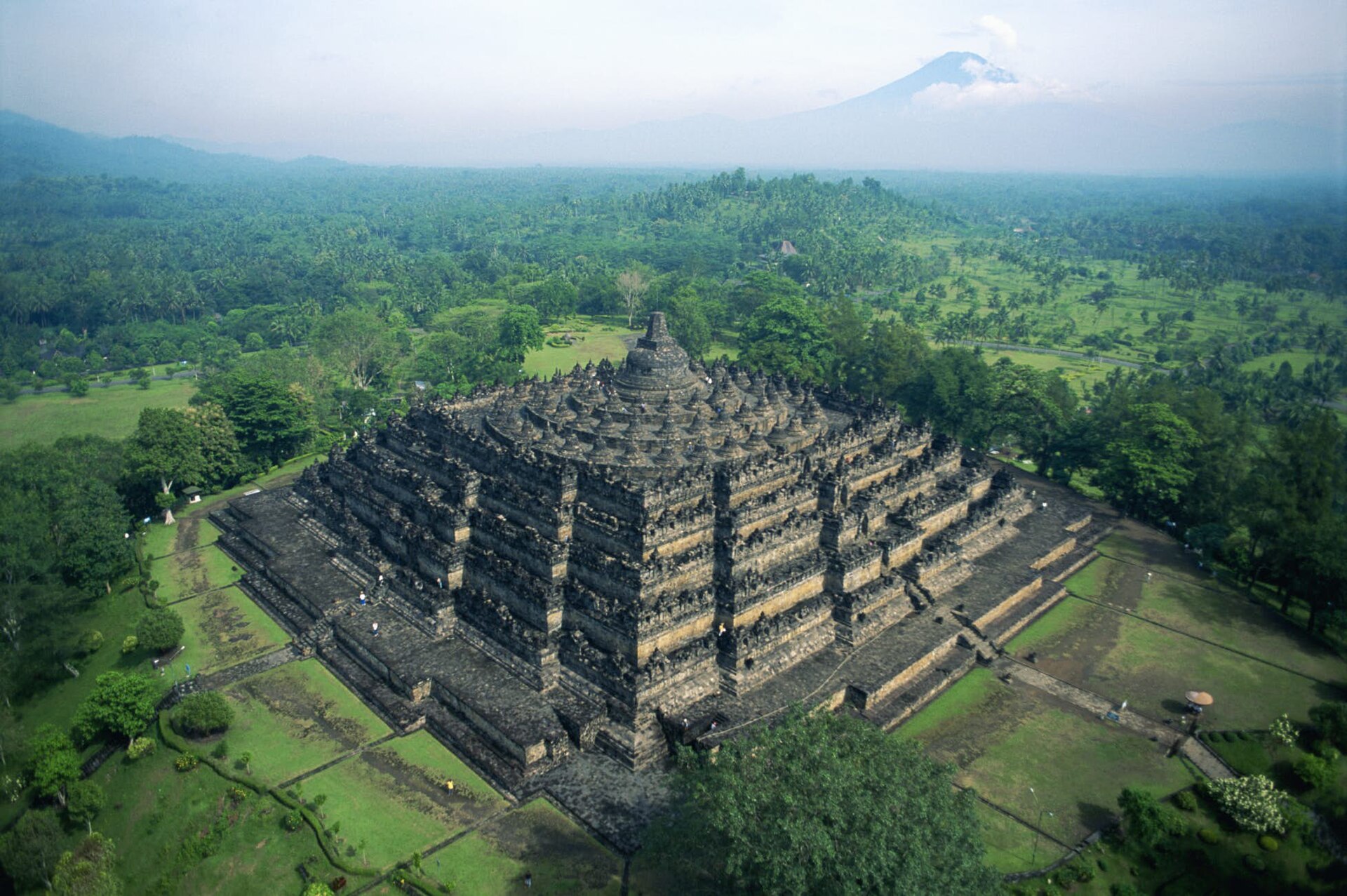
A Buddhist maritime empire that ruled the Strait of Malacca from Palembang for centuries, until Majapahit sacked its capital in 1377 and it sank so far from memory historians had to rediscover it.
Born
671 CE
Died
1377 CE
Lived
706 years
Dead for
649 yrs
Cause of death
Conquest
Replaced by
Majapahit and later the Malacca Sultanate
The Obituary
From its base at Palembang on Sumatra, Srivijaya commanded the sea lanes between India and China for some seven centuries, levying tolls and building a thalassocracy that spread Mahayana Buddhism across maritime Southeast Asia. It was a hub of scholarship drawing monks from across Asia. A raid by the South Indian Chola fleet under Rajendra I in 1025, which seized Palembang and captured the Srivijayan king, weakened its grip, and rising rivals chipped away at its trade. The Javanese Majapahit empire delivered the final blows, sacking the capital in 1377. Srivijaya faded entirely until 20th-century scholars reconstructed it from inscriptions.
Worth remembering
It controlled the Strait of Malacca, the chokepoint of trade between India and China.
The Chinese monk Yijing studied Buddhism there in the 7th century, finding a thriving center of learning.
Gallery
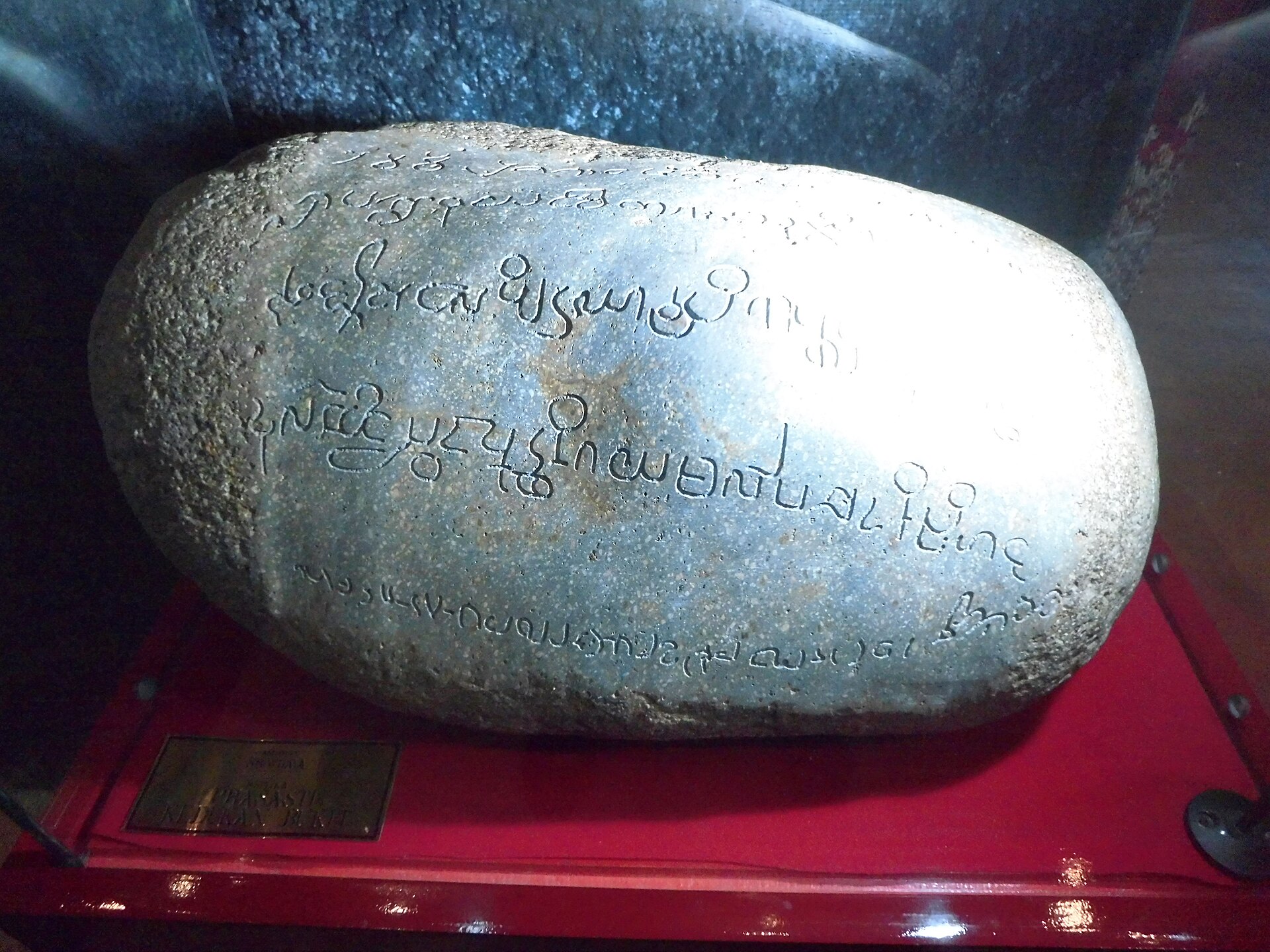
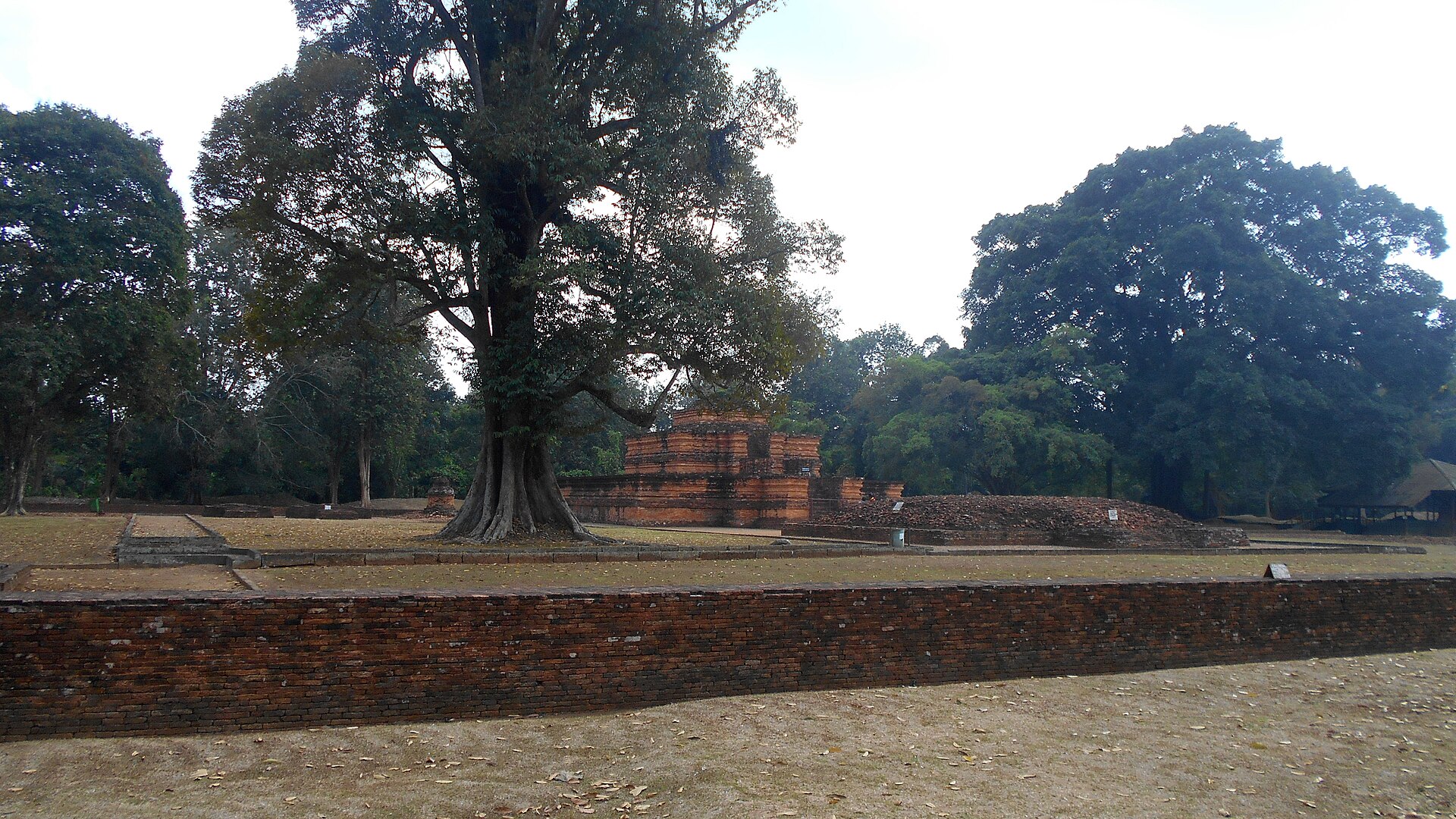
The Kedukan Bukit inscription (683 CE), oldest dated Srivijayan stone inscription, from Palembang, SumatraGunawan Kartapranata · CC BY-SA 4.0Brick temple ruins at the Muaro Jambi archaeological site, a Srivijayan-era Buddhist complex in SumatraFirzafp · CC BY-SA 4.0
Sources
Srivijaya was a Buddhist maritime empire based at Palembang from the 7th century Wikipedia
In 1025 the Chola king Rajendra I seized Palembang, captured the Srivijayan king, and carried off his treasures, dealing the empire a blow it never fully recovered from Encyclopaedia Britannica
A graveyard tradition: leave a stone to show you came, and remembered.
Buried nearby — by shared fate or a neighbouring lifespan.