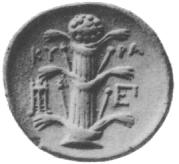
Silphium was the economic foundation of Cyrene, the great Greek colony on the Libyan coast, for roughly five centuries. The plant — a giant fennel of uncertain species — grew wild in a narrow coastal strip and could not be cultivated, every ancient attempt having failed. The city built its entire economy on the harvest. Its juice, called laser, was used across the Mediterranean as a spice, a medicine, and possibly a contraceptive, and it sold for its weight in silver. The distinctive heart-shaped seed of the plant appeared on Cyrenean coins, because the coin and the commodity were the same thing.
The demand it generated was the engine of its destruction. Since it resisted cultivation, the only supply was wild harvest, which could not be sustained as Rome’s appetite grew. Grazing by livestock compounded the damage. By the first century CE it was already being adulterated with cheaper Parthian and Syrian substitutes. Pliny the Elder, writing around 77 CE, records that within living memory only a single stalk had been found, and it was sent as a curiosity to Emperor Nero rather than to market — the last known specimen, gifted to a head of state because it was worth more as a wonder than as a commodity.
It is often called the first recorded human-caused plant extinction: a species deliberately over-harvested because it was too valuable to leave unharvested. The pharmacology and culinary properties it carried died with it. A 2022 proposal that a surviving Turkish plant (Ferula drudeana) might be a relative has not been confirmed by molecular analysis and is geographically difficult to reconcile with Cyrenaican origins; the Cyrenean silphium and its specific uses remain gone.
Worth remembering
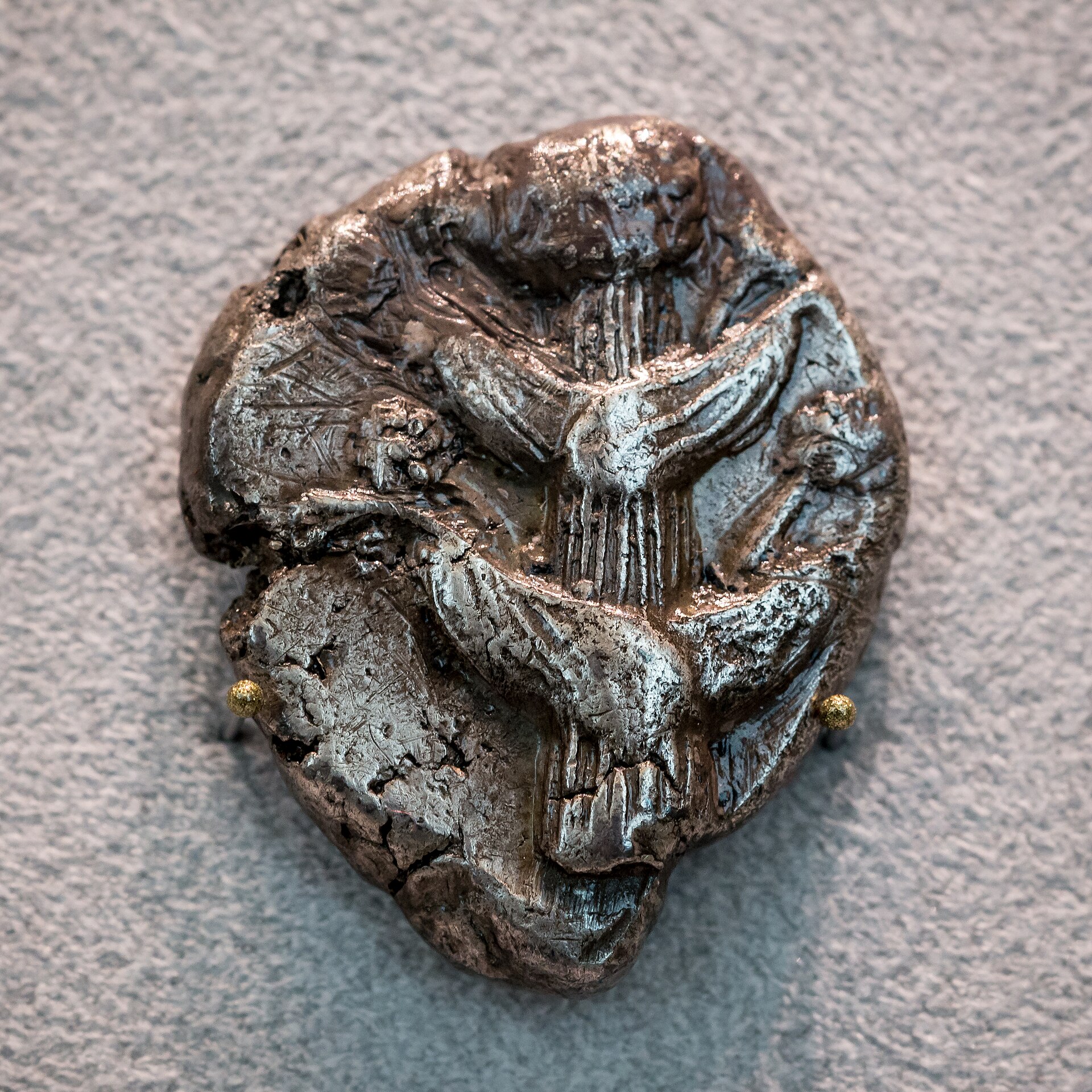
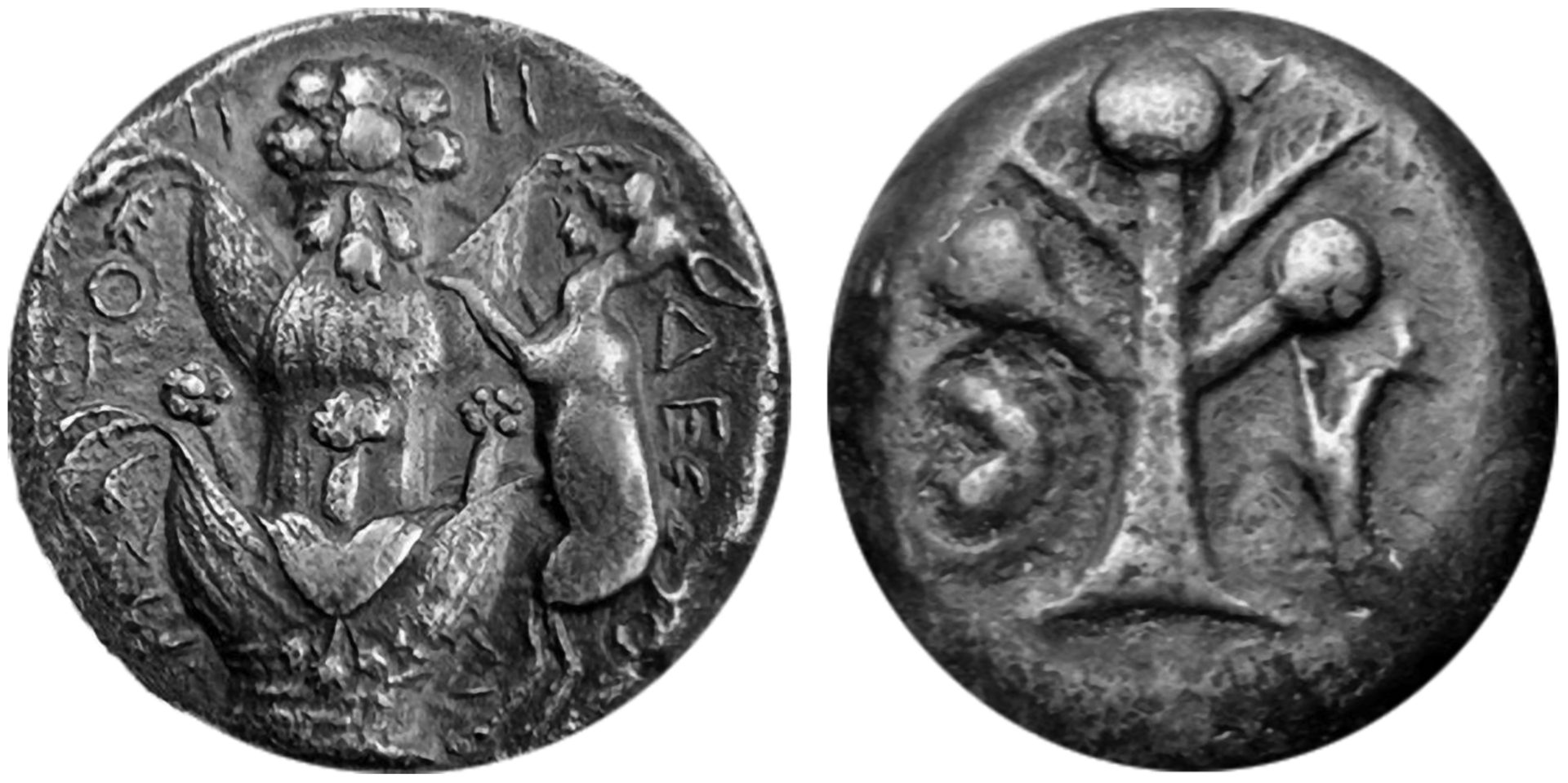
- Its juice, called laser, sold for its weight in silver; Cyrenean coins bore its distinctive heart-shaped seed as the city's emblem, and the treasury kept reserves of it — the city's wealth was literally measured in dried plant sap.
- Ancient sources credit it with a remarkable range of uses: as a culinary flavouring prized above all others, a treatment for coughs, fevers, and digestive ailments, an antidote to poisons, and — based on later analysis of related Ferula species — a possible natural contraceptive, which may explain some of the demand.
Gallery
Sources
- Silphium was so valuable it was depicted on Cyrenean coins; Pliny the Elder records that by his time (c.77 CE) only a single stalk had been found in recent memory, which was sent to Emperor Nero; the plant has never been conclusively identified or found since Wikipedia
- Silphium was the cash crop of the ancient city of Cyrene; ancient sources credit it with properties including as a spice, medicine, and possible contraceptive; it could not be cultivated and was extinct by the 1st century CE Encyclopaedia Britannica
A graveyard tradition: leave a stone to show you came, and remembered.