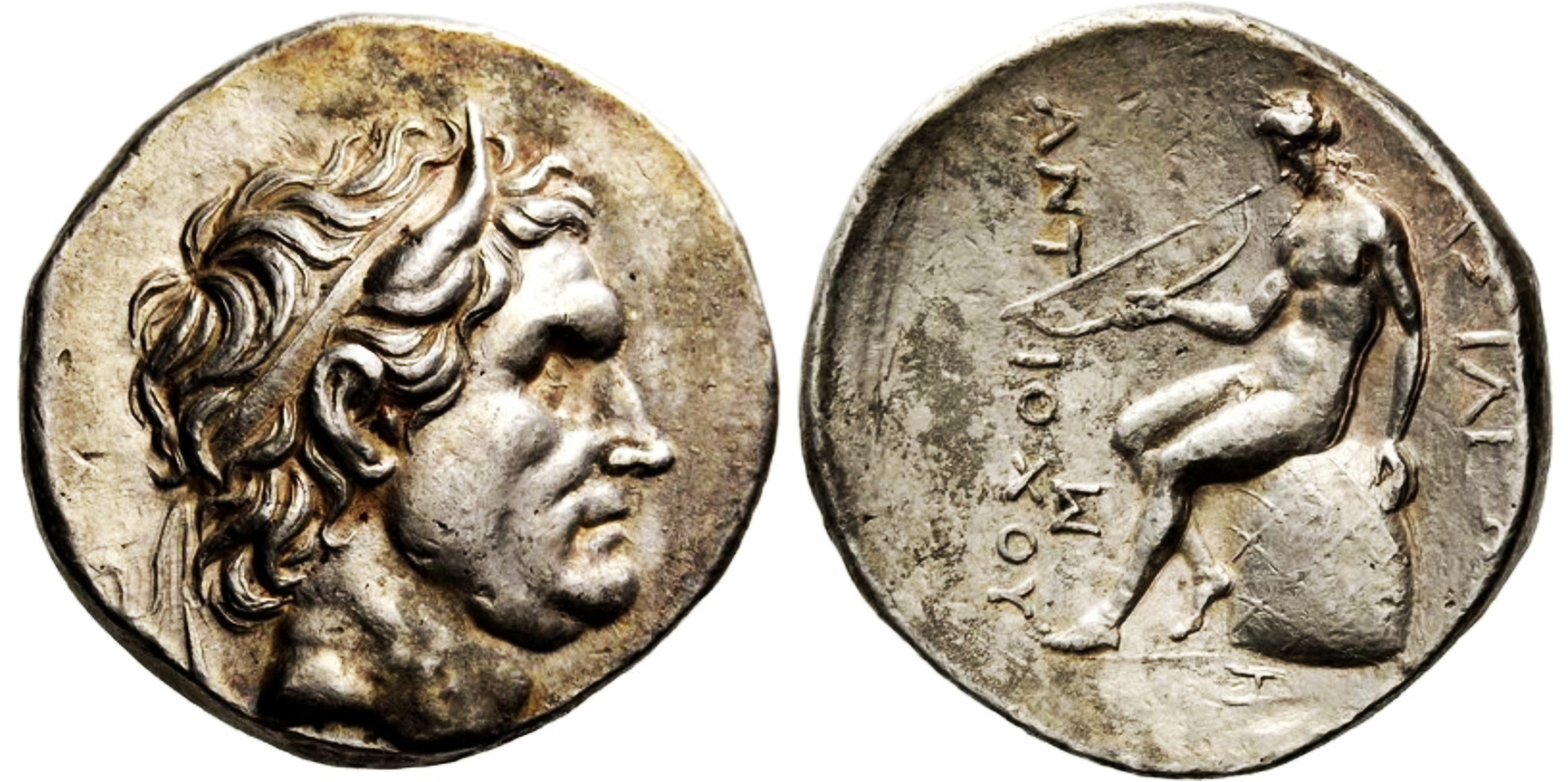
Alexander's largest successor state, a Greek dynasty ruling Persia and Mesopotamia that crumbled inward until the Roman general Pompey swept up the last of it in 63 BCE.
Born
312 BCE
Died
63 BCE
Lived
249 years
Dead for
2,089 yrs
Cause of death
Conquest
Replaced by
Roman province of Syria; Parthian Empire in the east
The Obituary
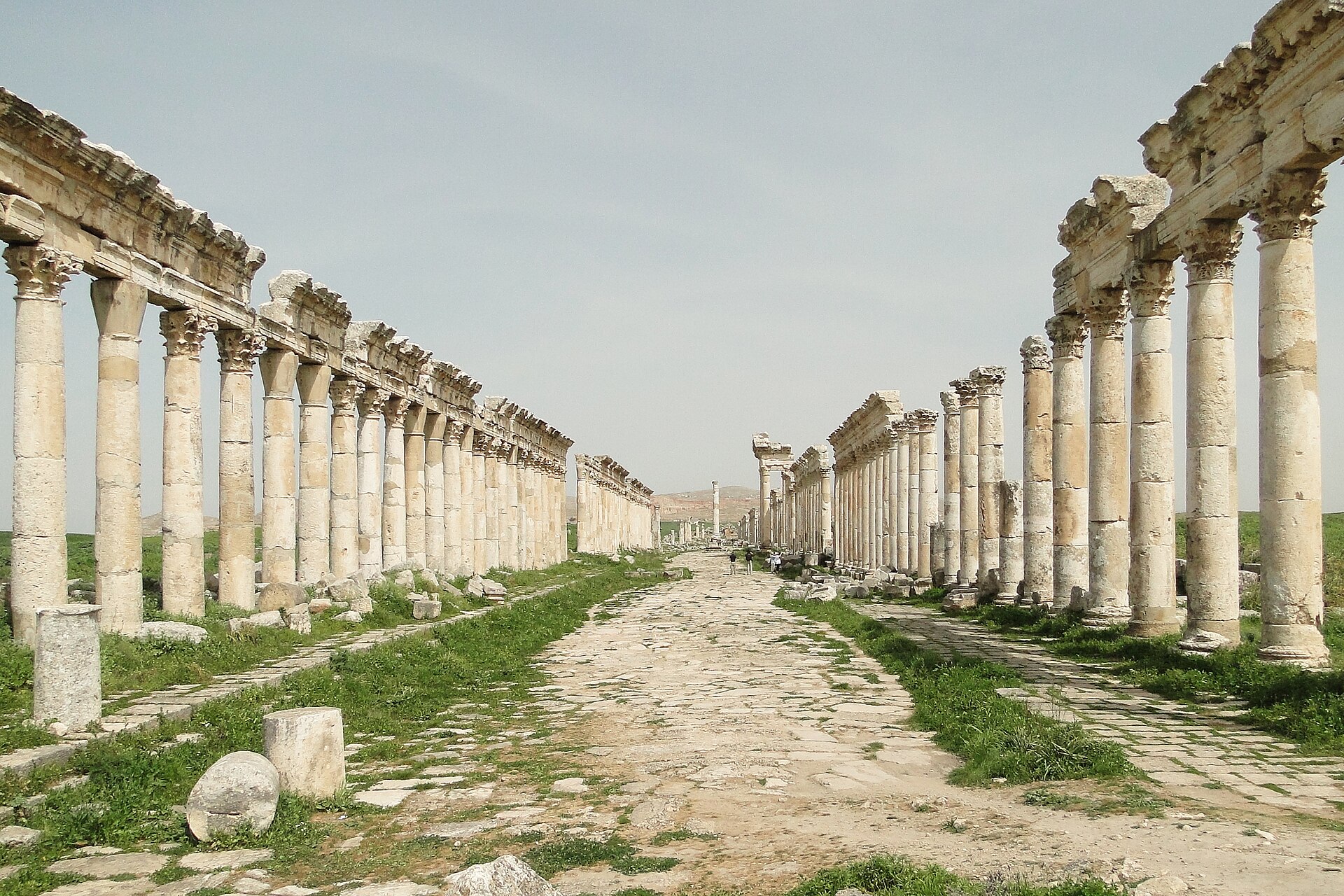
When Alexander the Great died in 323 BCE, his generals carved up his conquests, and Seleucus I Nicator claimed the largest share from his base at Babylon: a Greek-ruled empire spanning Mesopotamia, Persia, and reaching toward India. Its kings founded Hellenistic cities like Antioch and spread Greek language and culture across the Near East. But the empire was too vast and too diverse to hold. The eastern provinces broke away to the Parthians, the Jews revolted, and rival claimants tore at the center. By the 1st century BCE the Seleucids ruled little more than Syria. In 63 BCE the Roman general Pompey simply annexed what was left.
Worth remembering
At its height it stretched from the Aegean coast to the borders of India.
Its attempt to Hellenize Judea sparked the Maccabean Revolt, commemorated at Hanukkah.
Gallery
Colonnaded main street (cardo) of the ruined Seleucid city of Apamea, SyriaBernard Gagnon · CC BY-SA 3.0Marble head resembling the Seleucid king Antiochus III, Louvre MuseumCarole Raddato from Frankfurt, Germany · CC BY-SA 2.0
Watch
The Diadochi and the Hellenistic period (Seleucids) — Khan Academy
Sources
Seleucid Empire founded 312 BCE by Seleucus I; ended 63 BCE when Pompey annexed Syria Wikipedia
Seleucus I was a general of Alexander the Great who took the eastern provinces Wikipedia
The Seleucid Empire (312–63 BCE) was the largest successor state of Alexander, spanning from the Aegean to India at its height and spreading Hellenistic culture across the Near East World History Encyclopedia
The Seleucid attempt to enforce Hellenization in Judea sparked the Maccabean Revolt (167–160 BCE), which expelled the Seleucid garrison from Jerusalem World History Encyclopedia
A graveyard tradition: leave a stone to show you came, and remembered.
Buried nearby — by shared fate or a neighbouring lifespan.