The militarized German state that, under Bismarck, unified Germany into an empire in 1871, then was legally abolished in 1947 after its army outlived its monarchy.
Born
1701 CE
Died
1947 CE
Lived
246 years
Dead for
79 yrs
Cause of death
Conquest
Replaced by
states of Germany; territory divided among Germany, Poland, and the USSR
The Obituary
Prussia began in 1701 as a modest north German kingdom and grew, under the Hohenzollern dynasty and the disciplined drill of its army and the ambitions of rulers like Frederick the Great, into one of Europe’s great powers. In the 19th century, under Bismarck, it defeated Austria and France and forged the German Empire in 1871, with the Prussian king as kaiser. The monarchy fell with Germany’s defeat in 1918, but the Prussian state survived as a republic within the Weimar system. After the Second World War the Allies blamed Prussian militarism for German aggression and abolished the state outright in 1947, partitioning its lands.
Worth remembering
It was said Prussia was not a state that had an army, but an army that had a state.
Under Otto von Bismarck, Prussia engineered the unification of Germany in 1871, with its king becoming German emperor.
Gallery
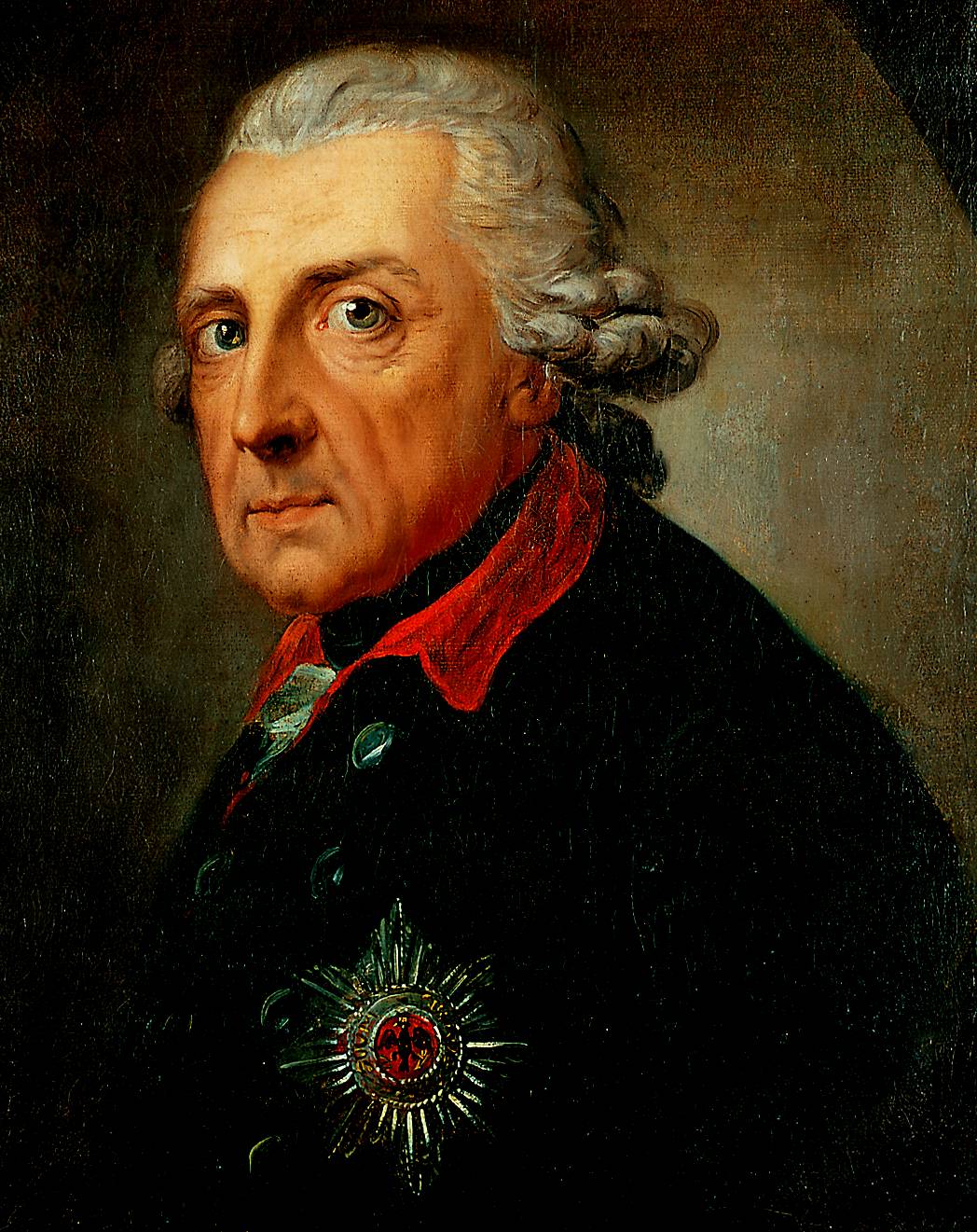
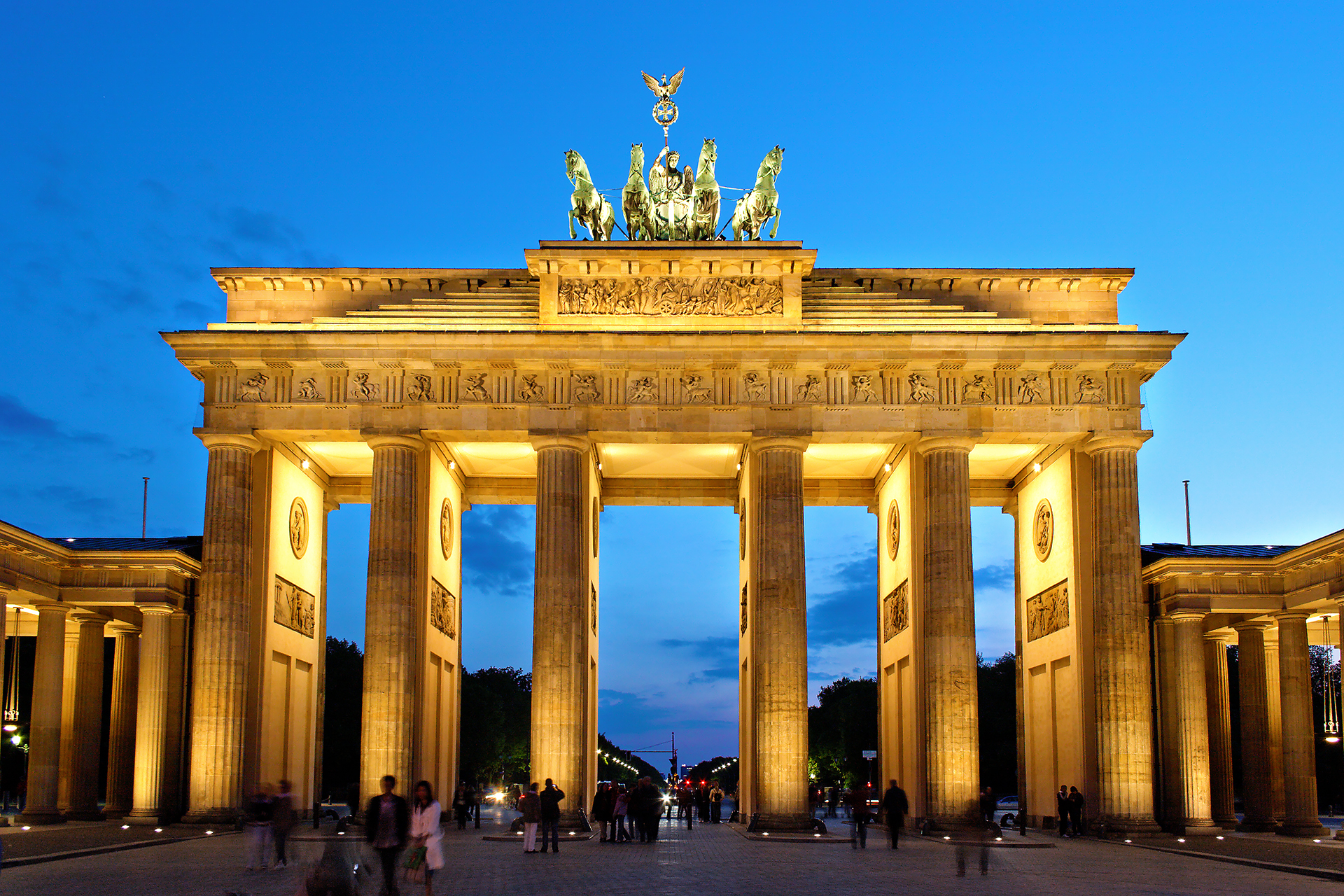
Portrait of Frederick the Great, King of Prussia, by Anton GraffPublic domainThe Brandenburg Gate in Berlin, built under the Kingdom of PrussiaThomas Wolf, www.foto-tw.de · CC BY-SA 3.0
Watch
The rise of Russia and Prussia — Crash Course European History
Sources
Kingdom of Prussia (1701) led German unification in 1871; formally abolished in 1947 Wikipedia
Allied Control Council Law No. 46 abolished the Prussian state on 25 February 1947 Wikipedia
The Kingdom of Prussia rose under the Hohenzollern dynasty to become Europe's foremost military power and the core around which the German Empire was unified in 1871; it was formally abolished by the Allied Control Council in 1947. Encyclopaedia Britannica
Otto von Bismarck served as Prussian prime minister from 1862 and engineered German unification in 1871 through wars against Denmark, Austria, and France Encyclopaedia Britannica
A graveyard tradition: leave a stone to show you came, and remembered.
Buried nearby — by shared fate or a neighbouring lifespan.