The seafaring traders of Tyre and Sidon who gave the world its alphabet, conquered city by city until Alexander the Great's siege of Tyre in 332 BCE left no Phoenicia behind.
Born
1500 BCE
Died
332 BCE
Lived
1,168 years
Dead for
2,358 yrs
Cause of death
Conquest
Replaced by
Macedonian and Hellenistic rule, then Rome
The Obituary
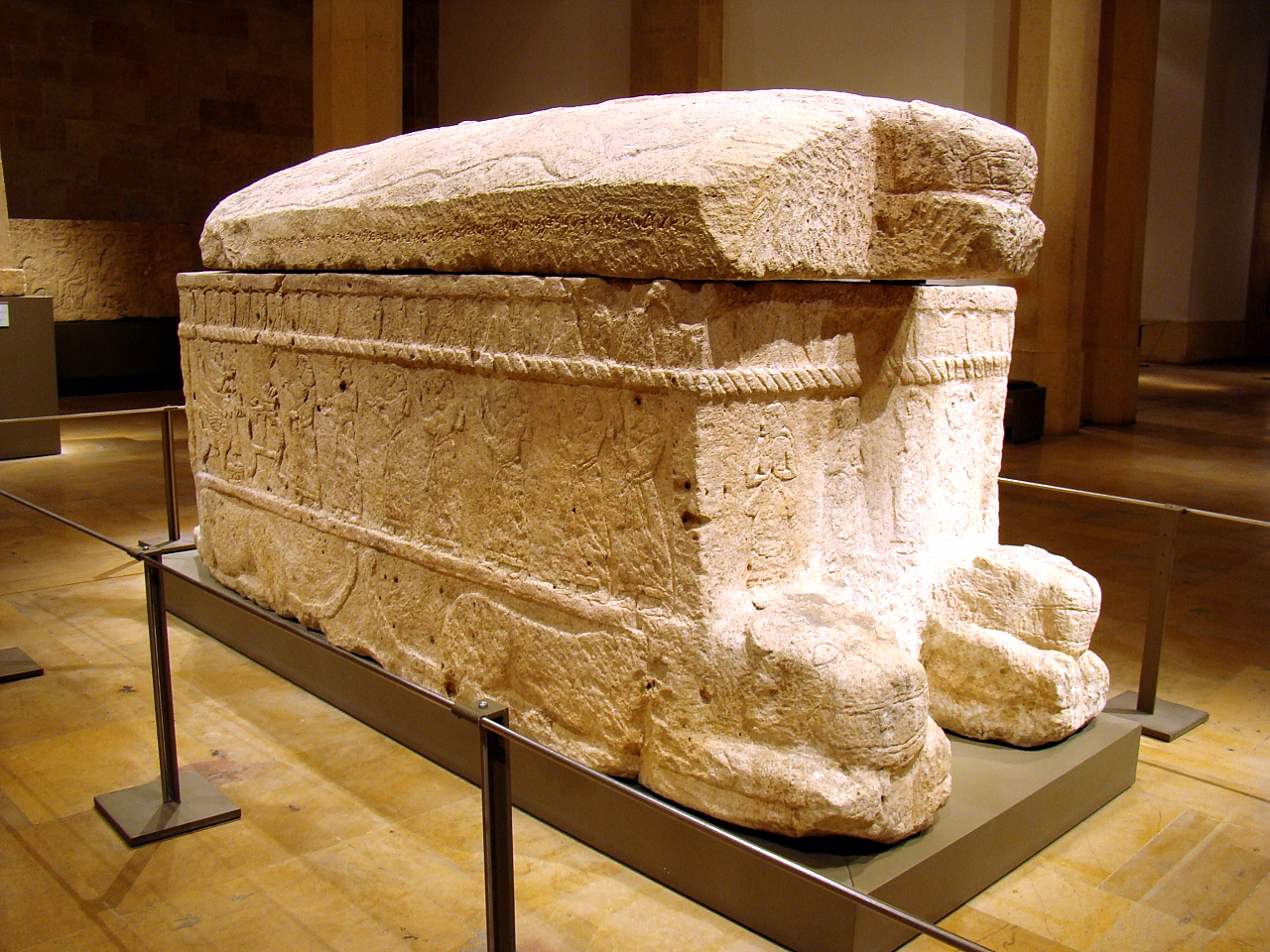
The Phoenicians were never one state but a network of independent city-states, chiefly Tyre, Sidon, and Byblos, on the coast of modern Lebanon. Master shipbuilders and merchants, they planted colonies across the Mediterranean, founded Carthage, and spread their alphabet wherever they traded. They fell under Assyrian, Babylonian, and Persian overlords in turn. Alexander the Great’s brutal siege of Tyre in 332 BCE broke the last independent Phoenician power. Under Greek and Roman rule the homeland was Hellenized, and the distinct Phoenician identity dissolved, surviving longest in their colony Carthage.
Worth remembering
The Phoenician alphabet is the ancestor of Greek, Latin, and most modern scripts.
Their prized purple dye, made from murex sea snails, was worth more than its weight in silver.
They founded colonies across the Mediterranean — including Carthage (traditionally c. 814 BCE), Sicily, Sardinia, and the Iberian Peninsula.
Gallery
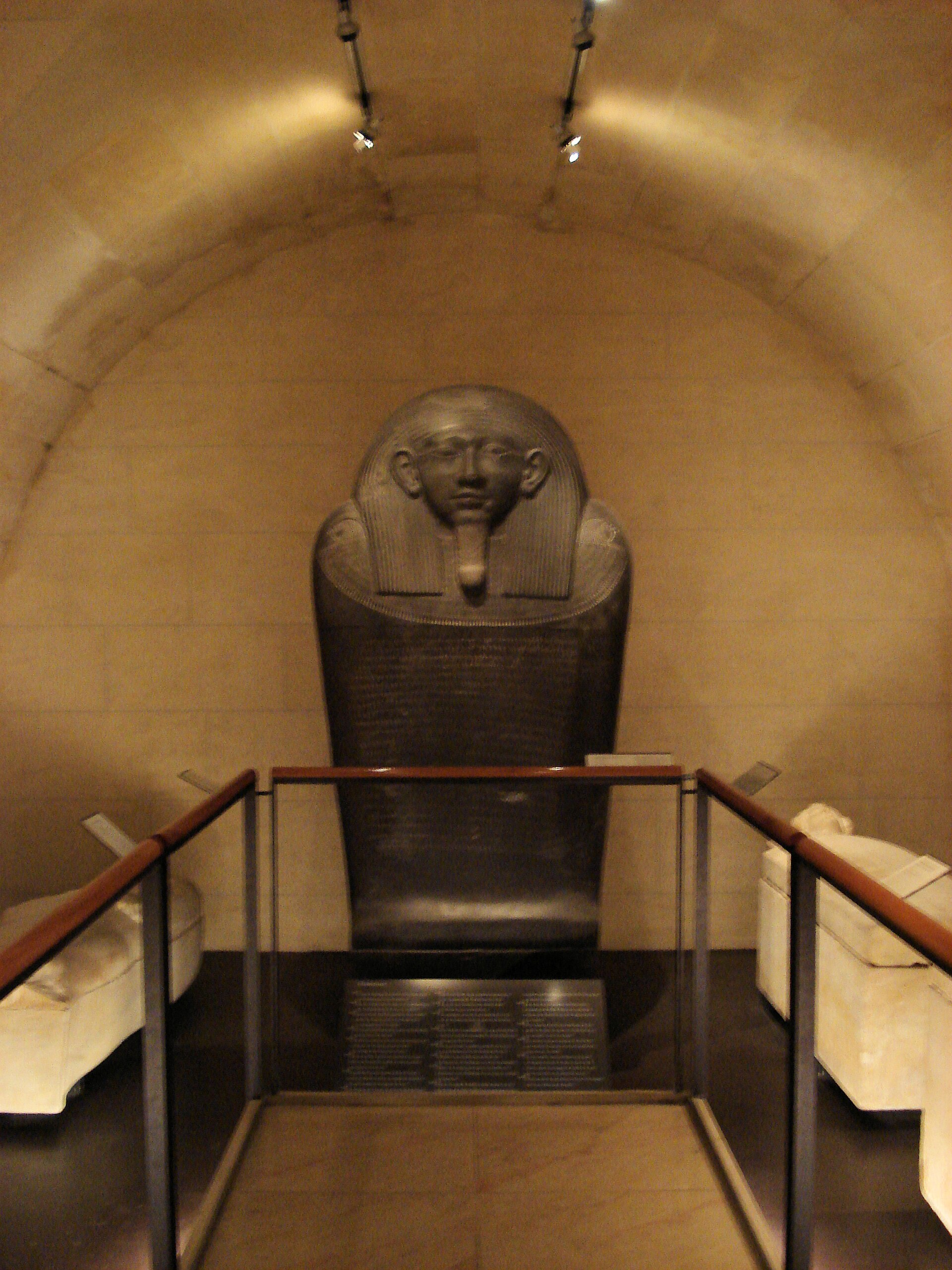
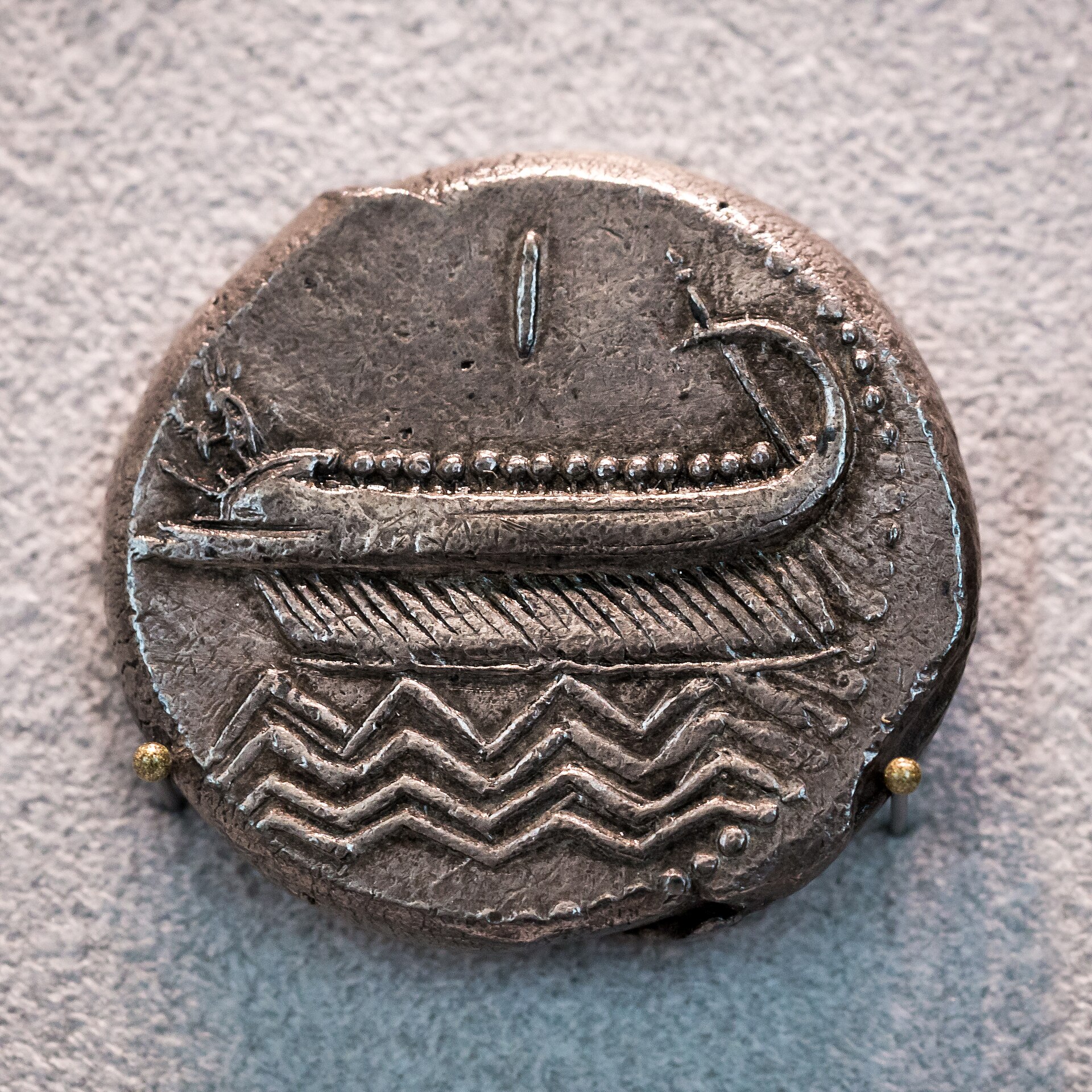
Black marble Phoenician sarcophagus of King Eshmunazar II of Sidon, on display in the LouvreVania Teofilo · CC BY-SA 3.0Phoenician silver double shekel of Sidon, 342-341 BCE, showing a war galleyReinhard Saczewski · CC BY-SA 4.0
Sources
Phoenicia was a civilization of Levantine maritime city-states from the 2nd millennium BCE Wikipedia
The Phoenician alphabet, derived from earlier Semitic scripts, became the ancestor of Greek, Latin, and most modern writing systems World History Encyclopedia
Phoenicians established colonies across the Mediterranean, most famously Carthage (traditionally c. 814 BCE), as well as settlements in Sicily, Sardinia, and the Iberian Peninsula World History Encyclopedia
A graveyard tradition: leave a stone to show you came, and remembered.
Buried nearby — by shared fate or a neighbouring lifespan.