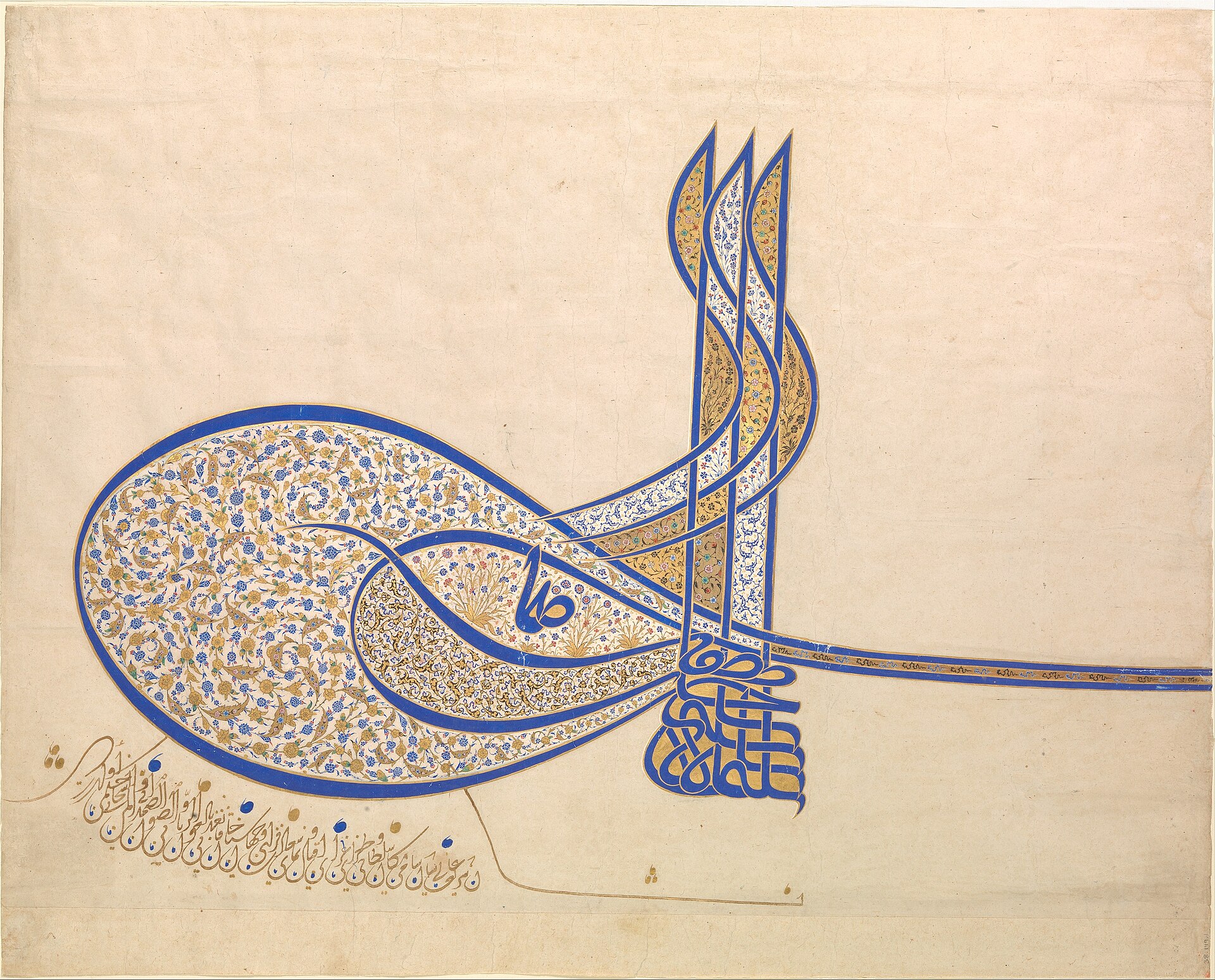
A six-century empire that bridged three continents — seizing Constantinople in 1453 — dismembered after World War I and abolished by its own republic.
Born
1299 CE
Died
1922 CE
Lived
623 years
Dead for
104 yrs
Cause of death
Conquest
Replaced by
Republic of Turkey and successor states across the Middle East and Balkans
The Obituary
Founded around 1299 by Osman I, the Ottomans built one of history’s longest-lasting empires from a small Anatolian principality, seizing Constantinople in 1453 and ruling much of the Middle East, North Africa, and southeastern Europe. The sultan also held the title of caliph, leader of Sunni Islam. Slow decline through the 18th and 19th centuries earned it the label “sick man of Europe.” Defeat in World War I brought Allied occupation and partition. Mustafa Kemal’s nationalist movement abolished the sultanate in 1922 and founded the Turkish Republic the next year, ending the Ottoman line.
Worth remembering
Mehmed II's conquest of Constantinople in 1453 ended the thousand-year Byzantine Empire.
At its peak under Suleiman the Magnificent it ruled from Vienna's gates to the Persian Gulf and North Africa.
Gallery
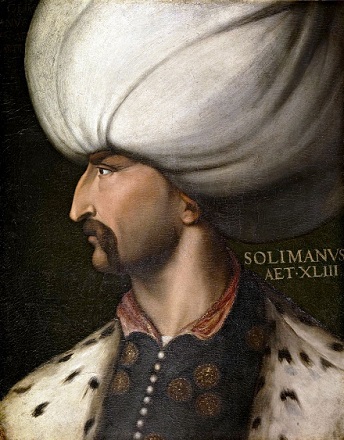
Renaissance portrait of Ottoman sultan Suleiman the MagnificentPublic domainTopkapı Palace, the former Ottoman imperial residence in IstanbulDiego Delso · CC BY-SA 4.0
Watch
Abdication of the Sultan, Constantinople, 1922 — British Pathé
Sources
Ottoman Empire traditionally founded c. 1299 by Osman I Wikipedia
The Ottoman Empire lasted from c. 1299 to 1922 and at its peak under Suleiman the Magnificent controlled territory from Hungary to the Persian Gulf and across North Africa World History Encyclopedia
Suleiman the Magnificent codified Ottoman law, oversaw the empire's greatest territorial expansion, and commissioned major architectural works including the Süleymaniye Mosque World History Encyclopedia
Mehmed II captured Constantinople in 1453, ending the Byzantine Empire, and transformed the city into Istanbul as the new Ottoman capital Encyclopaedia Britannica
A graveyard tradition: leave a stone to show you came, and remembered.
Buried nearby — by shared fate or a neighbouring lifespan.