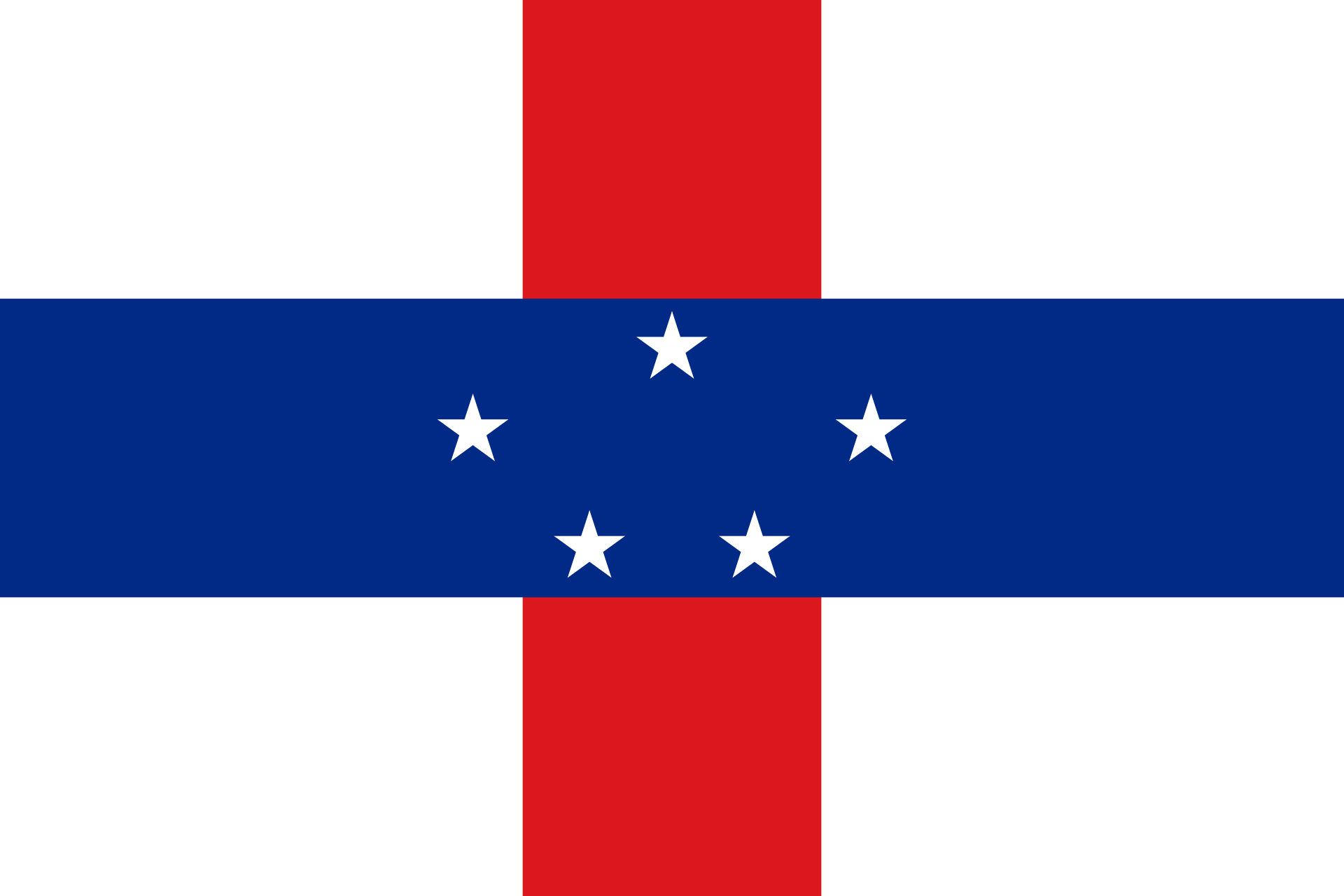
The Netherlands Antilles was an awkward country by design: six small islands, scattered across two groups of the Caribbean some 800 kilometres apart, bundled together in 1954 under the Charter for the Kingdom of the Netherlands as a single autonomous partner within it. The islands shared a flag, a parliament at Willemstad, and the Antillean guilder, but not much else — the ABC islands off Venezuela and the SSS islands near Puerto Rico had little in common, and the shared Antillean government was widely distrusted on the individual islands, each of which wanted a more direct line to The Hague.
The country came apart by its own islands’ choice rather than by war or collapse. Aruba had already pulled out in 1986 to become a separate country within the Kingdom. Referendums in the 2000s showed the rest pulling in different directions: Curaçao and Sint Maarten wanted their own country status, while the smaller Bonaire, Sint Eustatius, and Saba preferred to be folded directly into the Netherlands. A 2008 agreement set the terms, and on 10 October 2010 — “10-10-10” — the Netherlands Antilles was simply abolished. Its largest islands became self-governing countries; its smallest became Dutch municipalities, voting in Dutch elections and using the US dollar. There was no successor state to inherit the name, because the country had been a holding arrangement that none of its parts wanted to keep.
Worth remembering
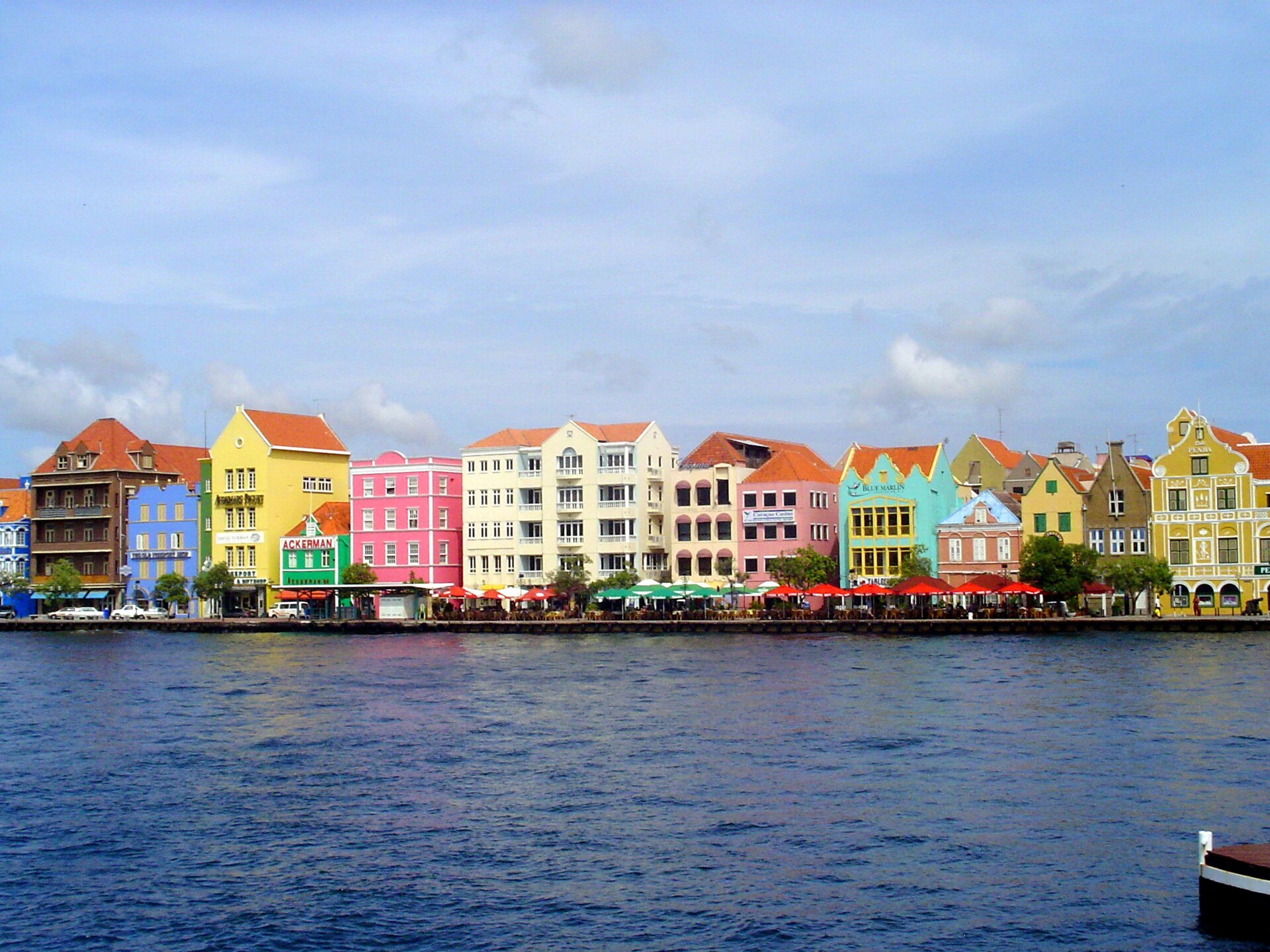
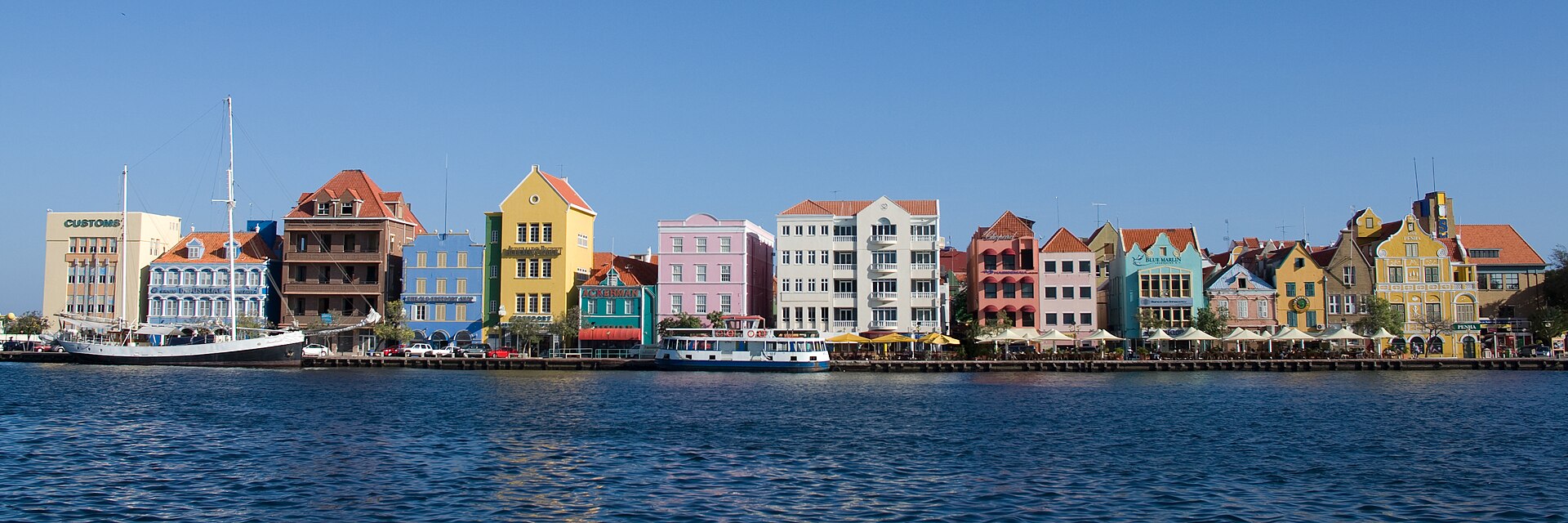
- Its islands fell into two clusters about 800 km apart: the 'ABC' Leeward islands (Curaçao and Bonaire) off the Venezuelan coast, and the 'SSS' Windward islands (Sint Maarten, Sint Eustatius, Saba) up near Puerto Rico — one country, two seas, with the capital at Willemstad.
- Curaçao's oil refinery, open since 1918 on Venezuelan crude, and a 1980s offshore-finance boom made it briefly central to global money — at one point most US corporate Eurobond issuance was routed through Antillean subsidiaries — until a 1987 US tax-treaty cancellation gutted the business.
Gallery
Sources
- The Netherlands Antilles was dissolved on 10 October 2010; Curaçao and Sint Maarten became autonomous countries within the Kingdom, while Bonaire, Sint Eustatius and Saba became special municipalities of the Netherlands CBS (Statistics Netherlands)
- Established in 1954 under the Charter for the Kingdom of the Netherlands as an autonomous country of six islands; Aruba seceded as a separate country in 1986, and island referendums in the 2000s led to the federation's break-up Rozenberg Quarterly
A graveyard tradition: leave a stone to show you came, and remembered.