A glowing glass valve that switched and amplified the early electronic age — 18,000 of them ran ENIAC — until it was outshone by a sliver of silicon, the transistor.
Born
1904 CE
Died
1960 CE
Lived
56 years
Dead for
66 yrs
At its peak
Tens of thousands of tubes in a single early computer like ENIAC
Cause of death
Replaced
Replaced by
The transistor and the integrated circuit
The Obituary
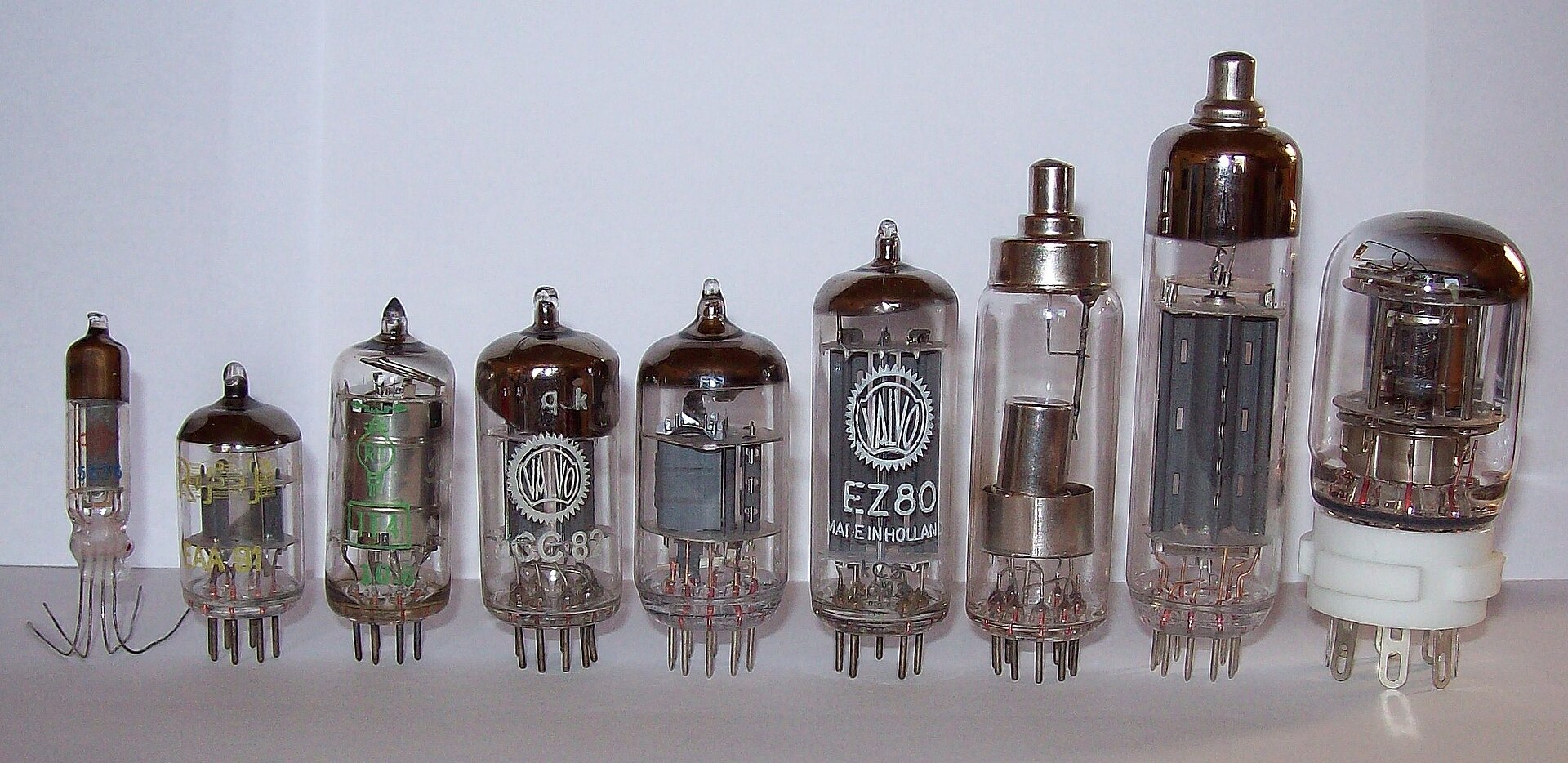
The vacuum tube was the first device that could amplify and switch electrical signals, and it built the modern world’s first electronic age. From Fleming’s 1904 diode and De Forest’s 1906 triode — the Audion — came radio, long-distance telephony, television, radar, and the earliest computers. ENIAC ran on some 18,000 of them, glowing hot and burning out so often the machine failed every couple of days. Tubes were bulky, fragile, and power-hungry. The transistor, invented at Bell Labs in 1947, did the same work in a cool, tiny, durable package, and by the early 1960s had replaced tubes nearly everywhere except cherished audio gear.
Worth remembering
ENIAC (1945) used about 18,000 vacuum tubes and failed roughly once every two days.
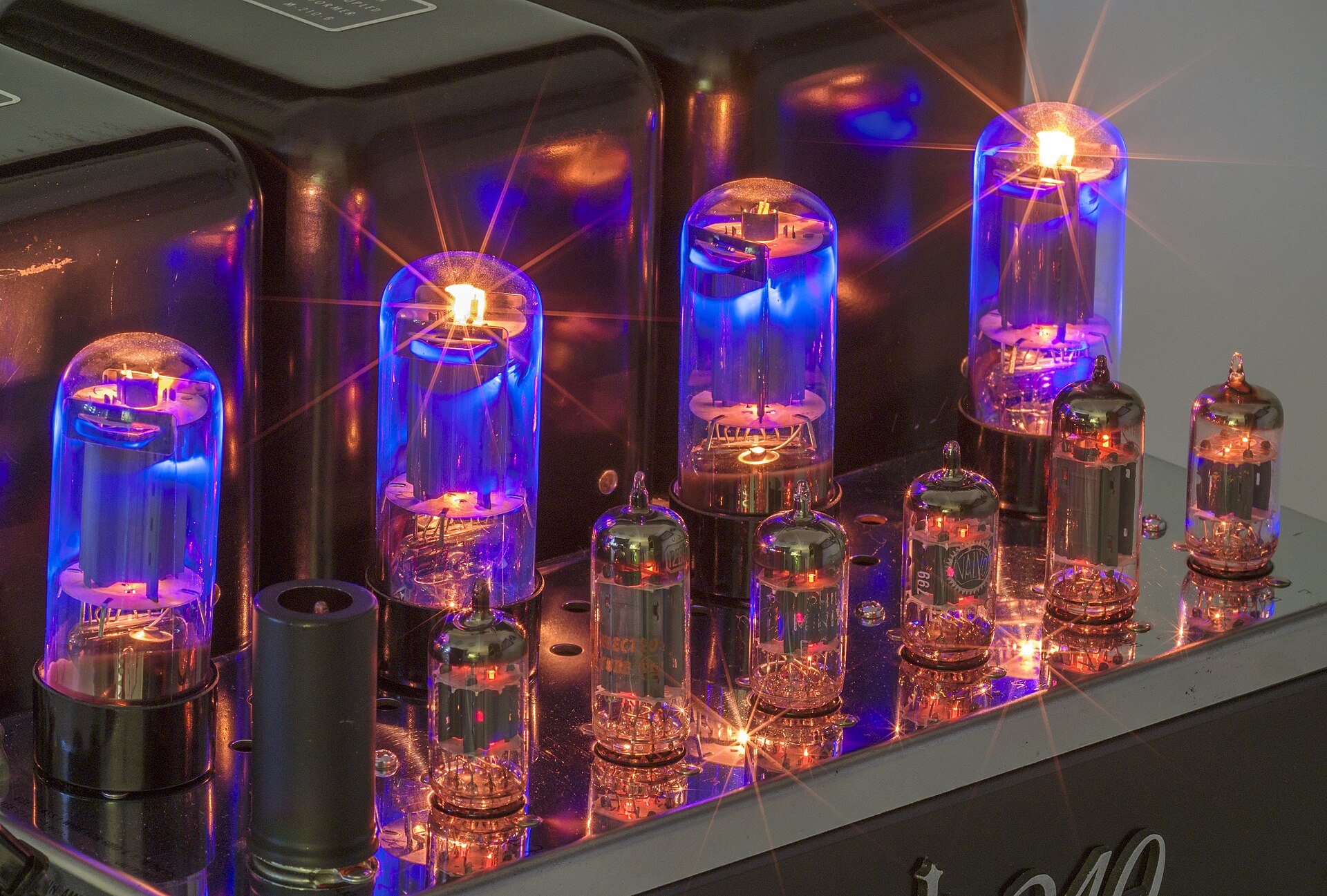
Tubes still prized by audiophiles and guitarists for the warm sound of their distortion.
Gallery
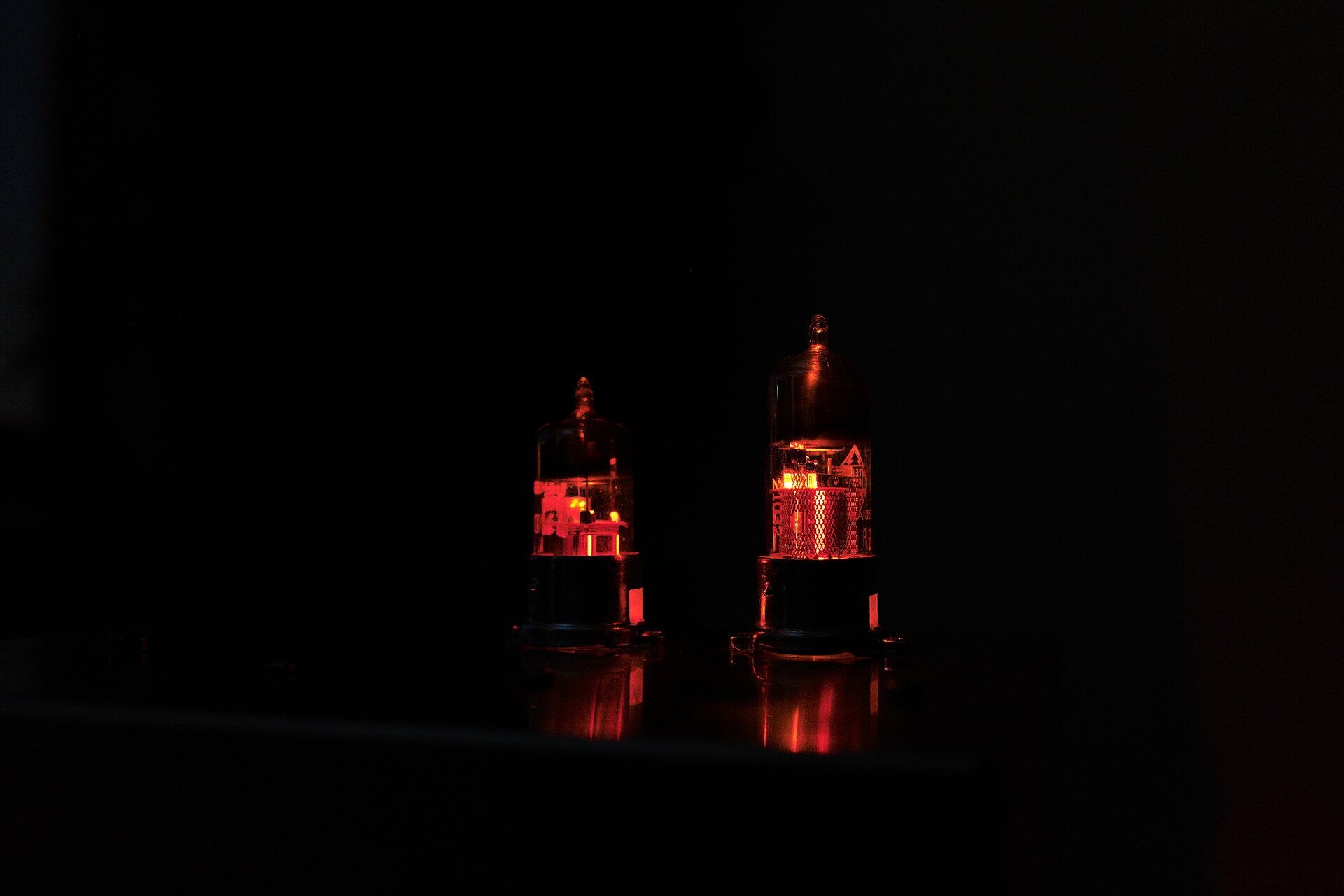
Glowing vacuum tubes inside a McIntosh MC240 audio amplifierSebastian Nizan · CC BY-SA 4.0Close-up of glowing electron vacuum tubes in operationAdaeuper · CC BY-SA 4.0
Watch
Understanding Electronics: Vacuum Tubes, 1970 educational film — PeriscopeFilm
Sources
Fleming's diode (1904) and De Forest's triode (1906) launched the vacuum tube Wikipedia
Transistor invented at Bell Labs in 1947, displacing tubes Wikipedia
ENIAC contained more than 17,000 vacuum tubes along with 70,000 resistors and 10,000 capacitors, executed up to 5,000 additions per second, and is classified as the first first-generation computer Britannica
De Forest's Audion triode (patented 1907) made possible live radio broadcasting and became the key component of all radio, telephone, radar, television, and computer systems before the transistor arrived in 1947 Britannica
ENIAC, marking its 80th anniversary, contained about 18,000 vacuum tubes cooled by 80 air blowers; John Mauchly proposed in 1942 that vacuum tubes could accelerate calculations IEEE Spectrum
A graveyard tradition: leave a stone to show you came, and remembered.
Buried nearby — by shared fate or a neighbouring lifespan.