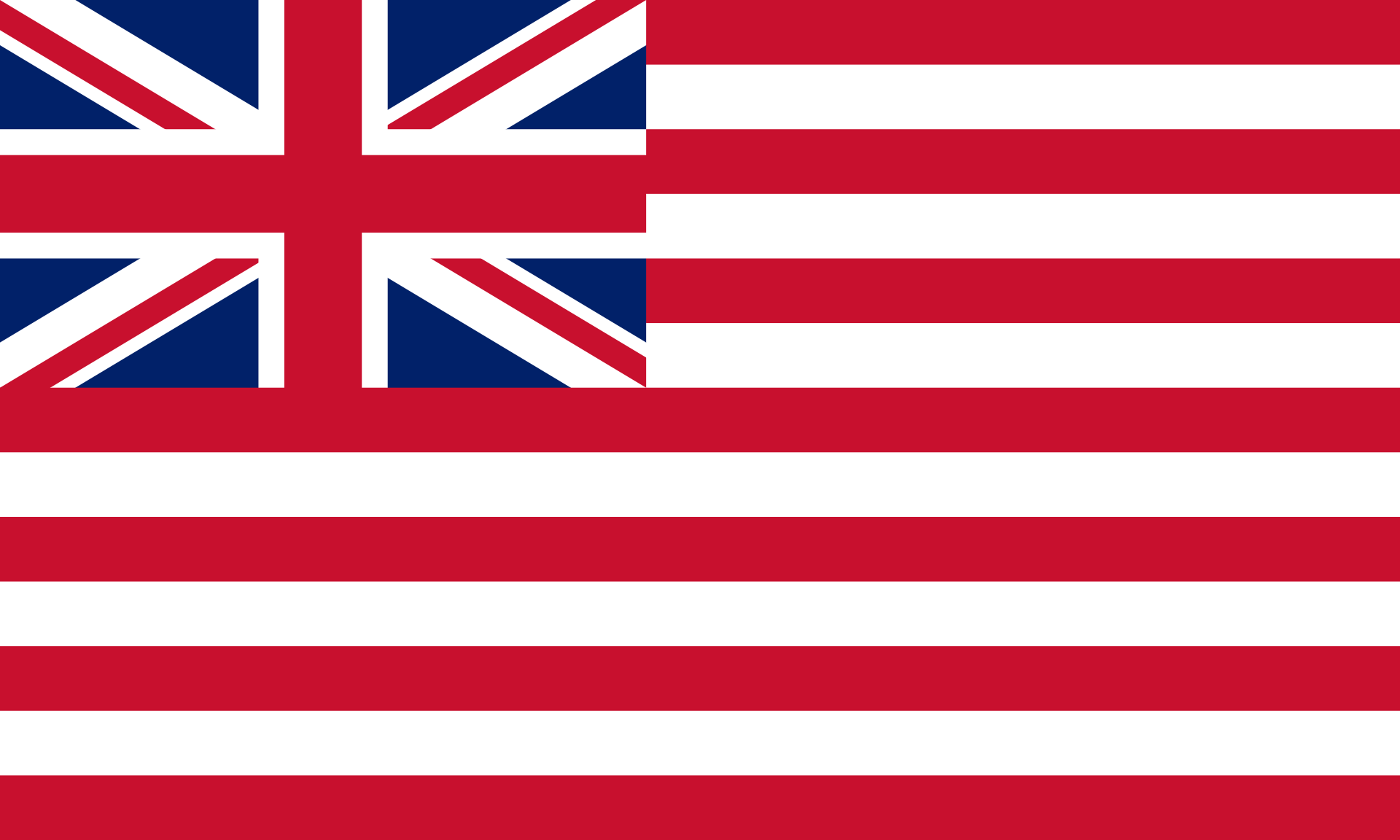
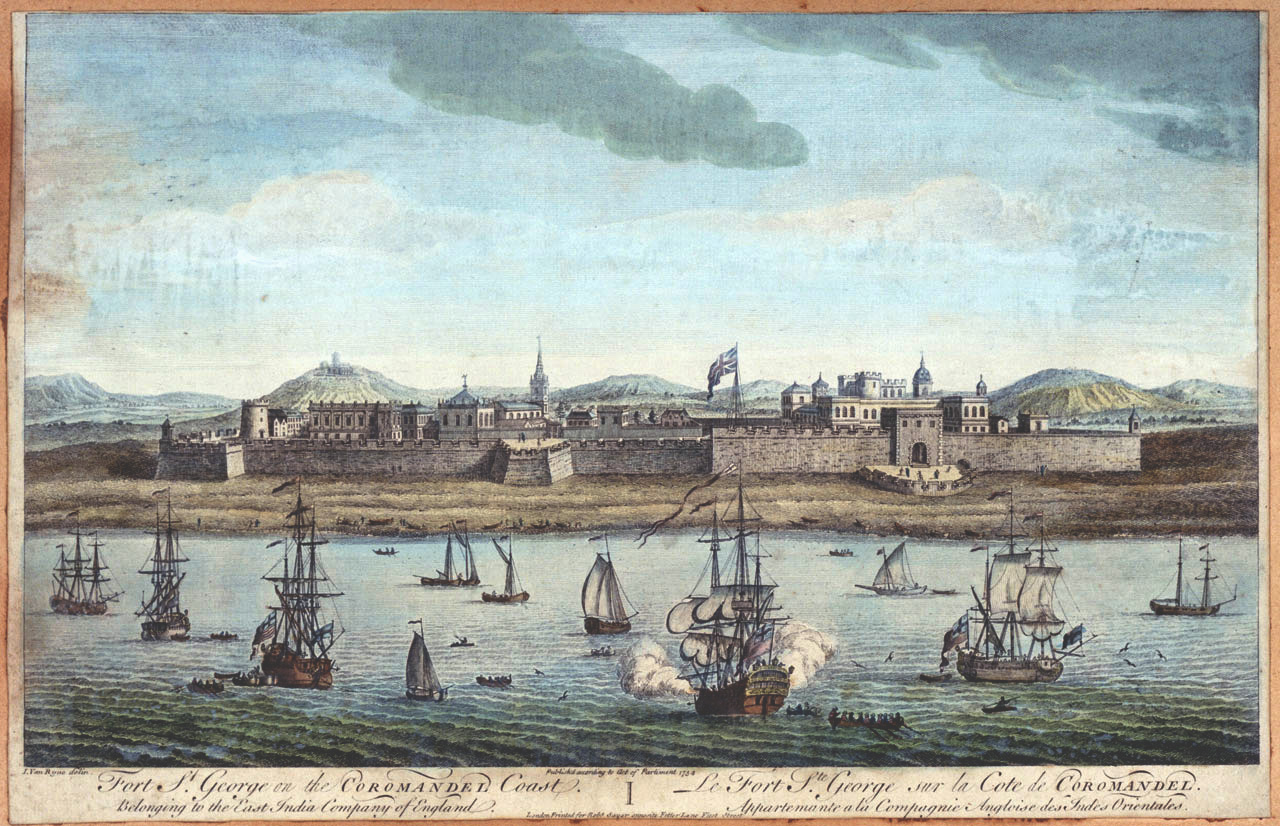
The East India Company, chartered by Elizabeth I in 1600, is the clearest answer history offers to the question of how powerful a corporation can become. Founded to trade for spices and textiles, it spent two centuries acquiring something no company has held before or since: a subcontinent. By the early 1800s it governed roughly 200 million people across India and maintained a private army of about 260,000 soldiers — roughly twice the size of the standing British Army — collecting taxes, fighting wars, and administering justice over a fifth of humanity.
It overreached. Its rule was extractive and brutal, and in 1857 a vast rebellion swept northern India. The British government, alarmed that a commercial company held this much power, used the uprising as the moment to seize control: the Crown took over direct rule in 1858, and the Company was formally wound up in 1874. The most powerful corporation in history did not go bankrupt or get out-competed — it was nationalized out of existence by its own state.
Worth remembering
- It gave the English language the word 'loot' (from Hindi), made tea the national drink of Britain, and — through its tea monopoly — provoked the Boston Tea Party.
- It minted its own money, ran its own courts, and at its height fielded a private army roughly twice the size of Britain's.
Gallery
Watch
Sources
- EIC chartered 1600; governed much of India with a private army; nationalized after 1857 and dissolved 1874 Wikipedia
- History of the East India Company and the transfer of power to the Crown Encyclopaedia Britannica
- The English East India Company, chartered in 1600, grew from a spice-trading venture into the de facto ruler of much of the Indian subcontinent before the British Crown assumed direct control of its territories after the 1857 rebellion. World History Encyclopedia
A graveyard tradition: leave a stone to show you came, and remembered.