An 85-year-old investment bank that ran on borrowed money and subprime mortgages, sold to JPMorgan Chase for $2 a share with Federal Reserve backing in a single weekend of March 2008.
Born
1923 CE
Died
2008 CE
Lived
85 years
Dead for
18 yrs
At its peak
Fifth-largest U.S. investment bank; ~$172/share peak (Jan 2007)
Cause of death
Assimilation
Replaced by
JPMorgan Chase
The Obituary
Founded in 1923, Bear Stearns survived the Great Depression without laying off staff and grew into the fifth-largest U.S. investment bank, its stock near $172 in early 2007. It was also among the most leveraged, deeply exposed to subprime mortgages through funds that began failing in 2007. When confidence evaporated in March 2008, lenders and clients fled within days, draining its liquidity in a classic run. Over one weekend, with Federal Reserve backing of up to $30 billion of its illiquid mortgage assets, JPMorgan Chase agreed to buy the firm — at first for $2 a share, later $10. It was the opening act of the 2008 financial crisis.
Worth remembering
It was the fifth-largest U.S. investment bank, with a stock that traded near $172 a year before its sale.
JPMorgan bought it for $10 a share with a Federal Reserve guarantee, the first domino of the 2008 crisis.
Gallery
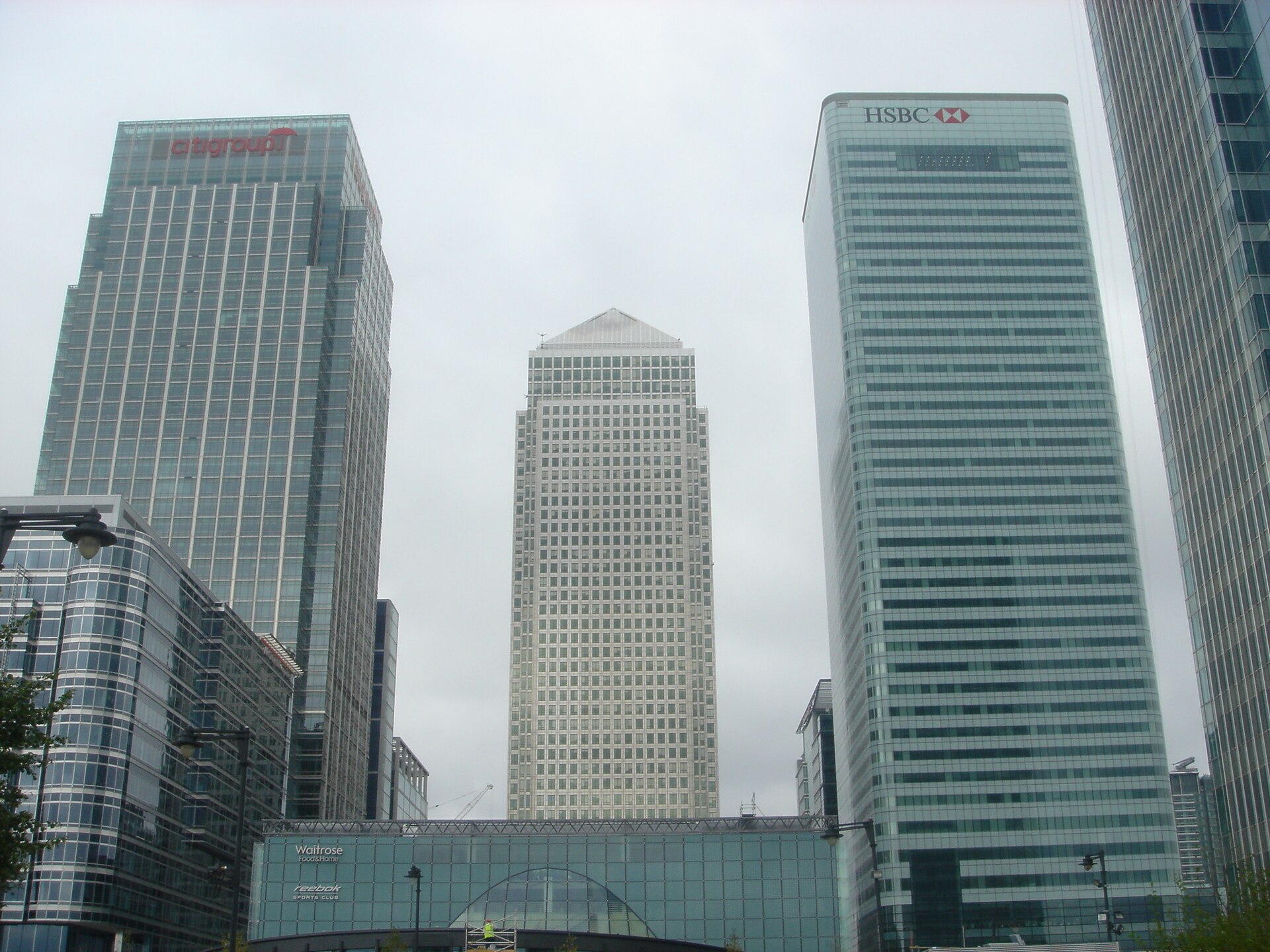
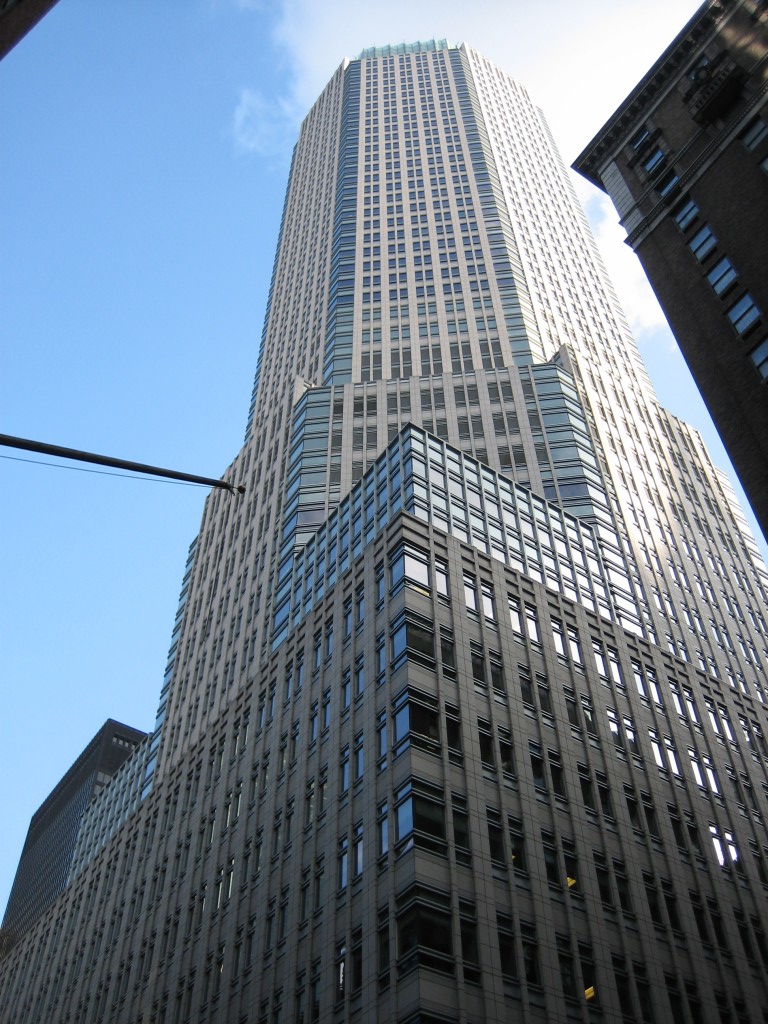
Bear Stearns offices in Canary Wharf, LondonXCONY · CC BY-SA 3.0Bear Stearns headquarters tower at 383 Madison Avenue, New YorkC R (Flickr) · CC BY-SA 2.0
Watch
NYT reporter on Jimmy Cayne's rise and fall at Bear Stearns — CNBC Television
Sources
Bear Stearns collapsed in March 2008 amid the subprime crisis and was acquired by JPMorgan Chase in a Fed-backed fire sale Wikipedia
JPMorgan Chase initially agreed to buy Bear Stearns for $2 per share, later raised to $10, with Federal Reserve support Wikipedia
Facing a liquidity crisis in mid-March 2008, Bear Stearns agreed on 16 March to be acquired by JPMorgan Chase in a Federal Reserve-backed deal, with the Fed funding up to $30 billion of the firm's illiquid mortgage assets. Federal Reserve History
A graveyard tradition: leave a stone to show you came, and remembered.
Buried nearby — by shared fate or a neighbouring lifespan.