A West African gold empire so rich that Mansa Musa's 1324 pilgrimage to Mecca crashed the price of gold across the Mediterranean.
Born
1235 CE
Died
1670 CE
Lived
435 years
Dead for
356 yrs
Cause of death
Conquest
Replaced by
Songhai Empire and later regional states
The Obituary
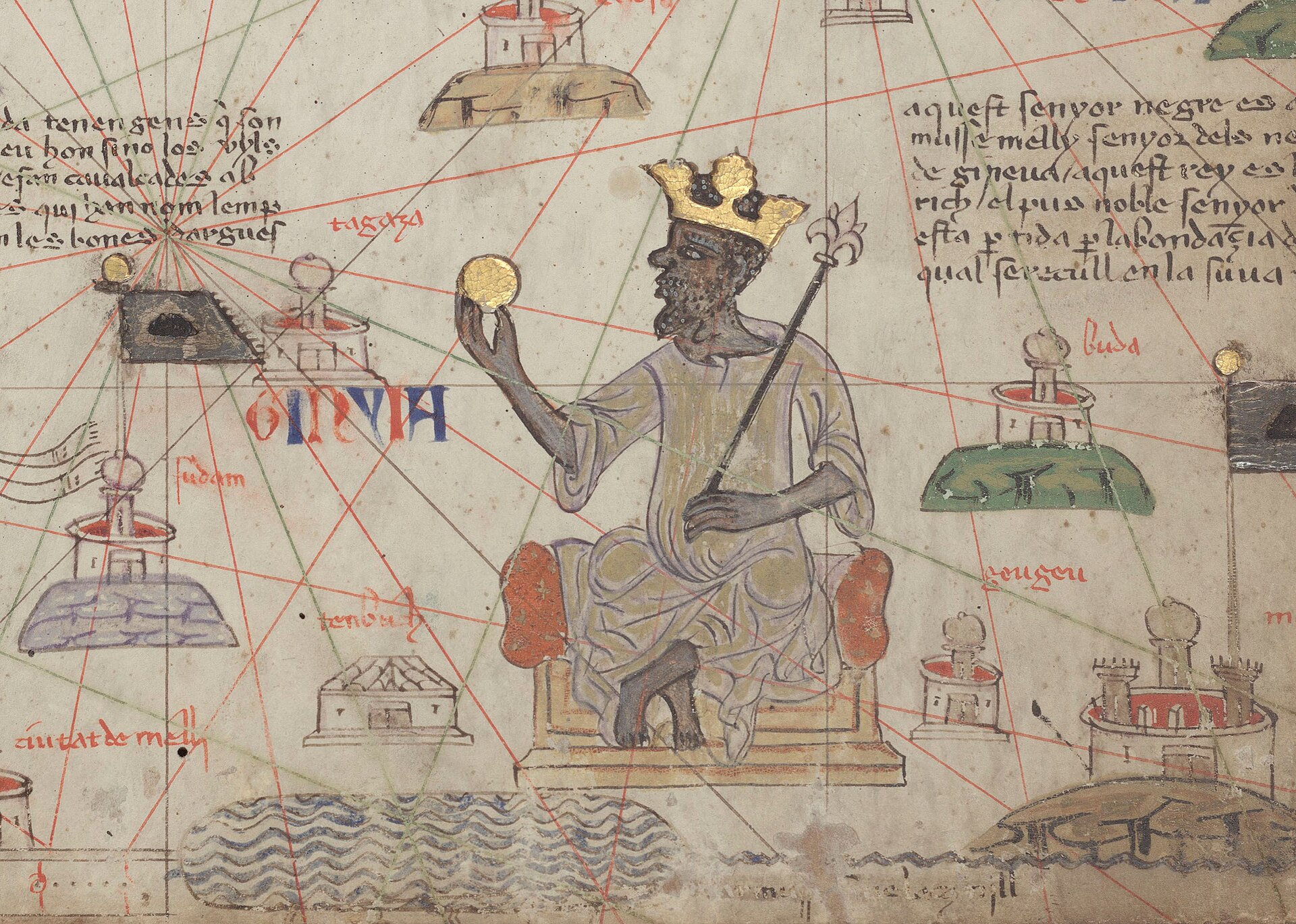
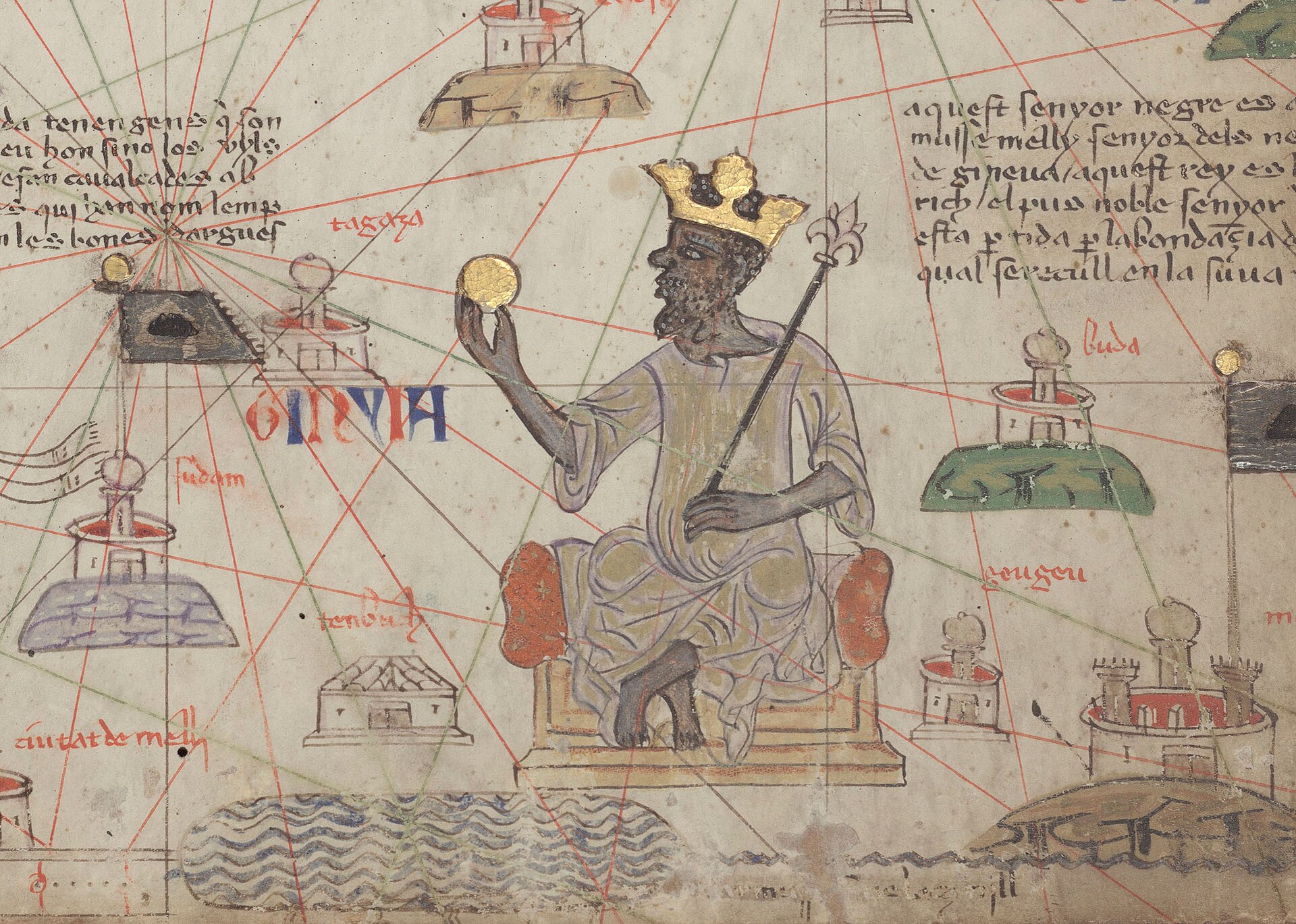
Sundiata Keita united the Mandinka peoples and founded Mali around 1235 after his victory at the Battle of Kirina, on the upper Niger River, controlling the trans-Saharan gold and salt trade. Under Mansa Musa in the 14th century it reached its height, fabulously wealthy and dotted with mosques and madrasas at Timbuktu and Djenne. Succession disputes, Tuareg raids, and the rise of Songhai gradually stripped away its provinces. By the 17th century Mali had shrunk to a small chiefdom, finished off when the Bamana of Segou sacked its capital around 1670.
Worth remembering
Mansa Musa's 1324 pilgrimage to Mecca gave away so much gold it disrupted Egyptian economies for years.
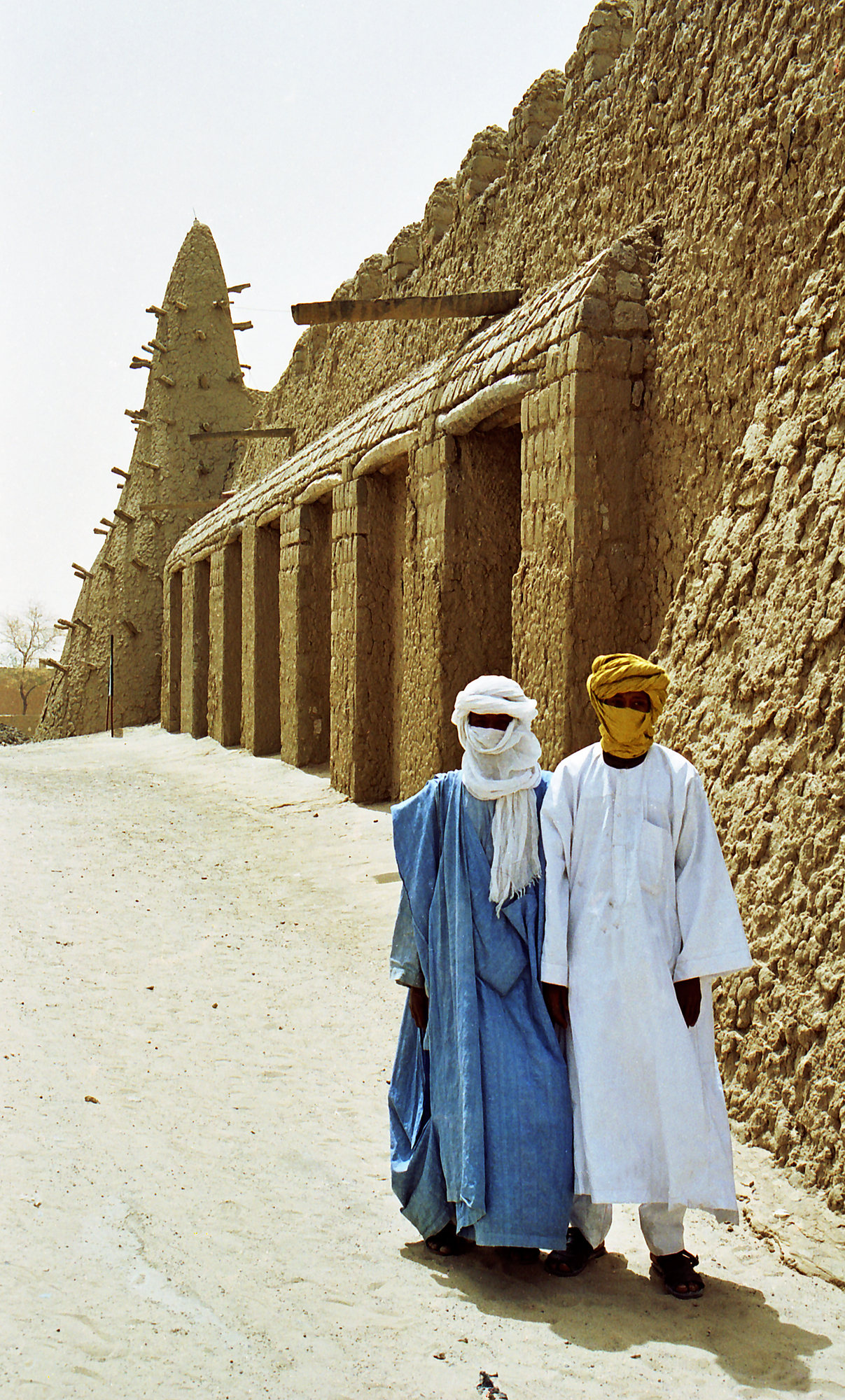
Its city of Timbuktu became a famed center of Islamic scholarship and the book trade.
Gallery
The mud-brick Djinguereber Mosque at Timbuktu, MaliOndřej Havelka · CC BY-SA 4.0Mansa Musa of Mali holding a gold coin, from the 1375 Catalan AtlasPublic domain
Watch
Mansa Musa and Islam in Africa — Crash Course World History 16
Sources
Mali Empire founded by Sundiata Keita c. 1235 Wikipedia
Mansa Musa's 1324–1325 pilgrimage to Mecca, during which he distributed so much gold that it depressed prices across the Mediterranean for a decade, remains the defining image of Mali's wealth World History Encyclopedia
Timbuktu, under Mali and its successors, housed tens of thousands of Islamic students and a manuscript trade that produced an estimated 700,000 surviving texts Encyclopaedia Britannica
A graveyard tradition: leave a stone to show you came, and remembered.
Buried nearby — by shared fate or a neighbouring lifespan.