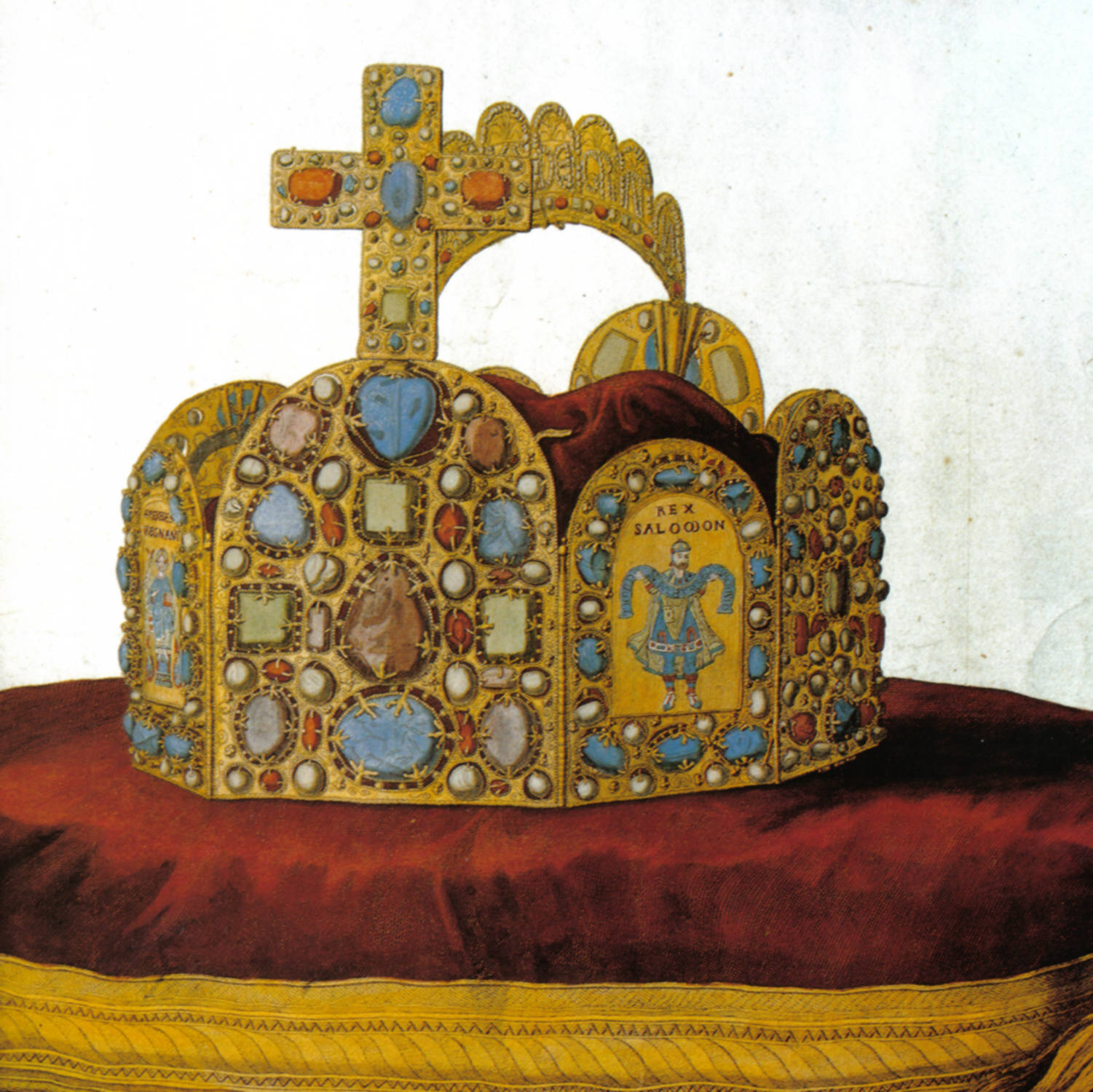
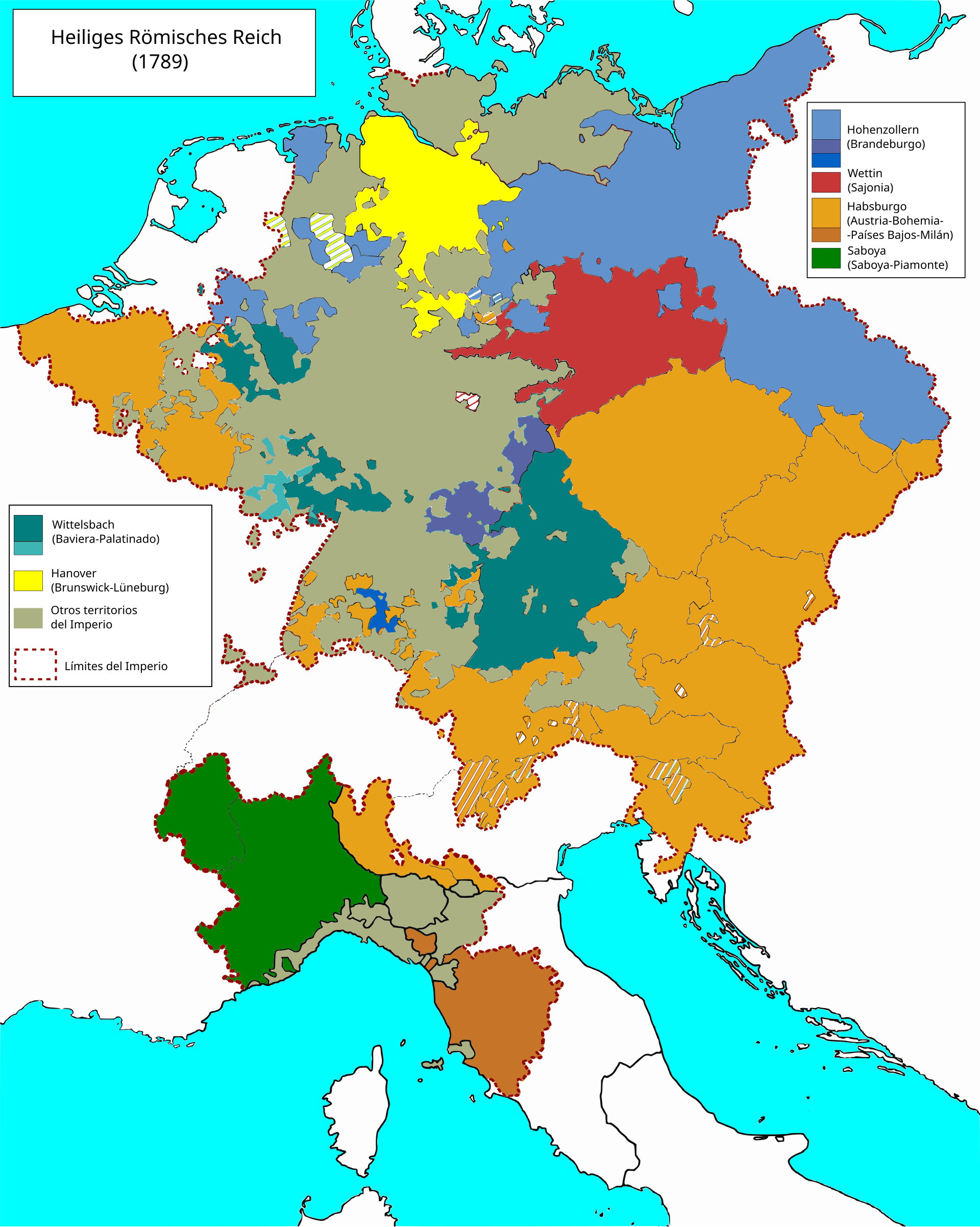
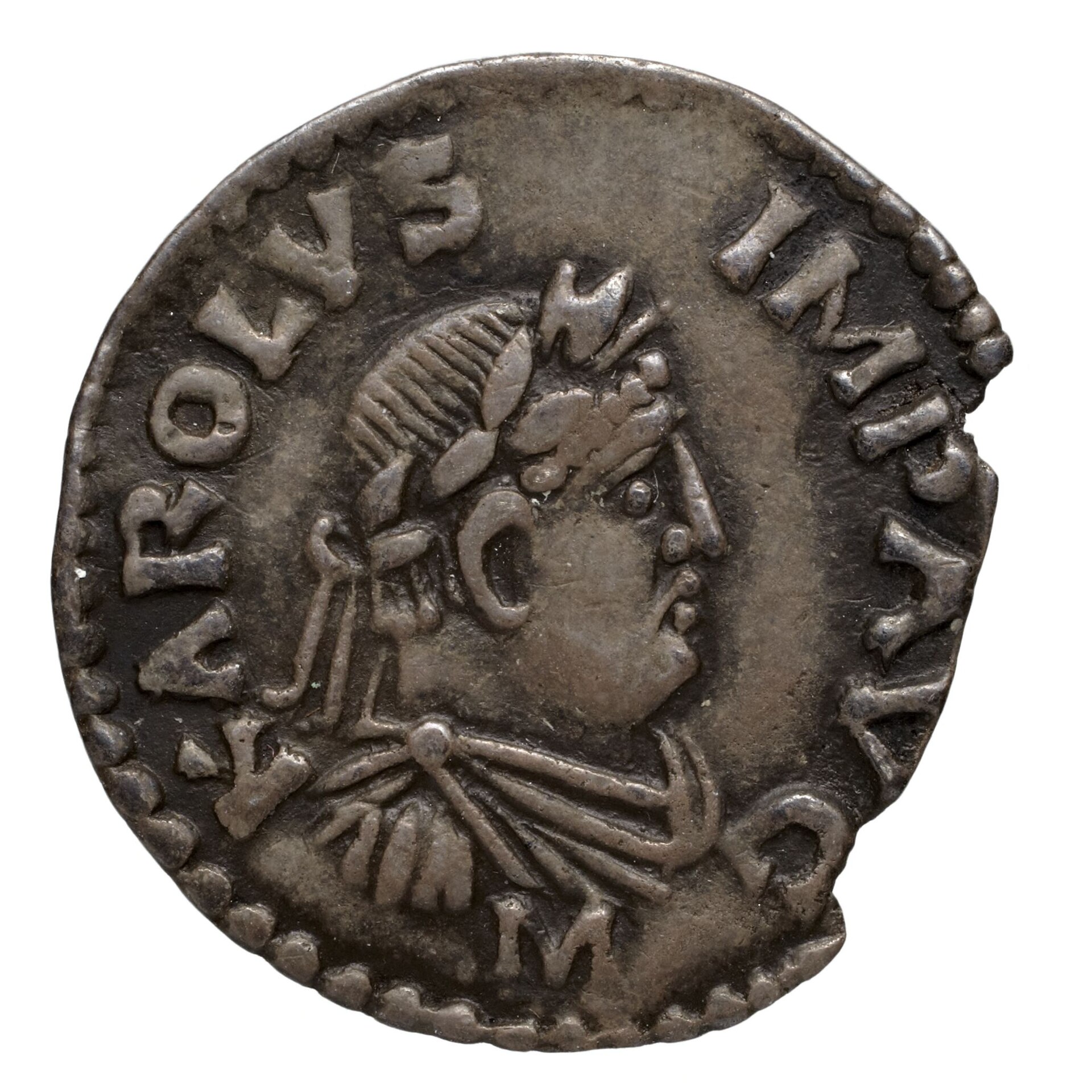
The Holy Roman Empire — its imperial line traced to Pope Leo III crowning Charlemagne on 25 December 800 (some date it instead to Otto I in 962) and sealed shut when Francis II abdicated on 6 August 1806 — was the strange, durable centre of medieval and early modern Europe, a loose federation of German-speaking principalities, free cities, and ecclesiastical territories nominally ruled by an elected emperor. It lasted in some form for a millennium, never quite a unified state nor merely a collection of rivals. The Reformation split it along religious lines; the Thirty Years’ War devastated it. Its end came in 1806, when Napoleon’s victories forced Emperor Francis II to dissolve the empire rather than see the crown taken from him.
Worth remembering
- Voltaire quipped that it was 'neither holy, nor Roman, nor an empire.'
- At its largest it comprised some 300 semi-autonomous states, free cities, and bishoprics across central Europe.
Gallery
Watch
Sources
- Holy Roman Empire dissolved 1806 when Francis II abdicated the imperial title Wikipedia
- Charlemagne crowned emperor by Pope Leo III on 25 December 800 Wikipedia
- The Holy Roman Empire was a loose federation of German principalities and free cities that lasted roughly a thousand years before Francis II dissolved it on 6 August 1806 under Napoleonic pressure Encyclopaedia Britannica
A graveyard tradition: leave a stone to show you came, and remembered.