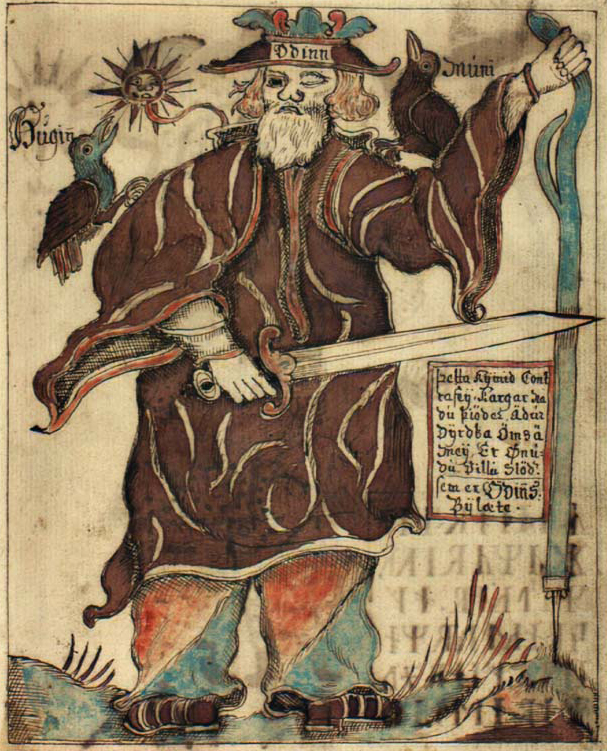
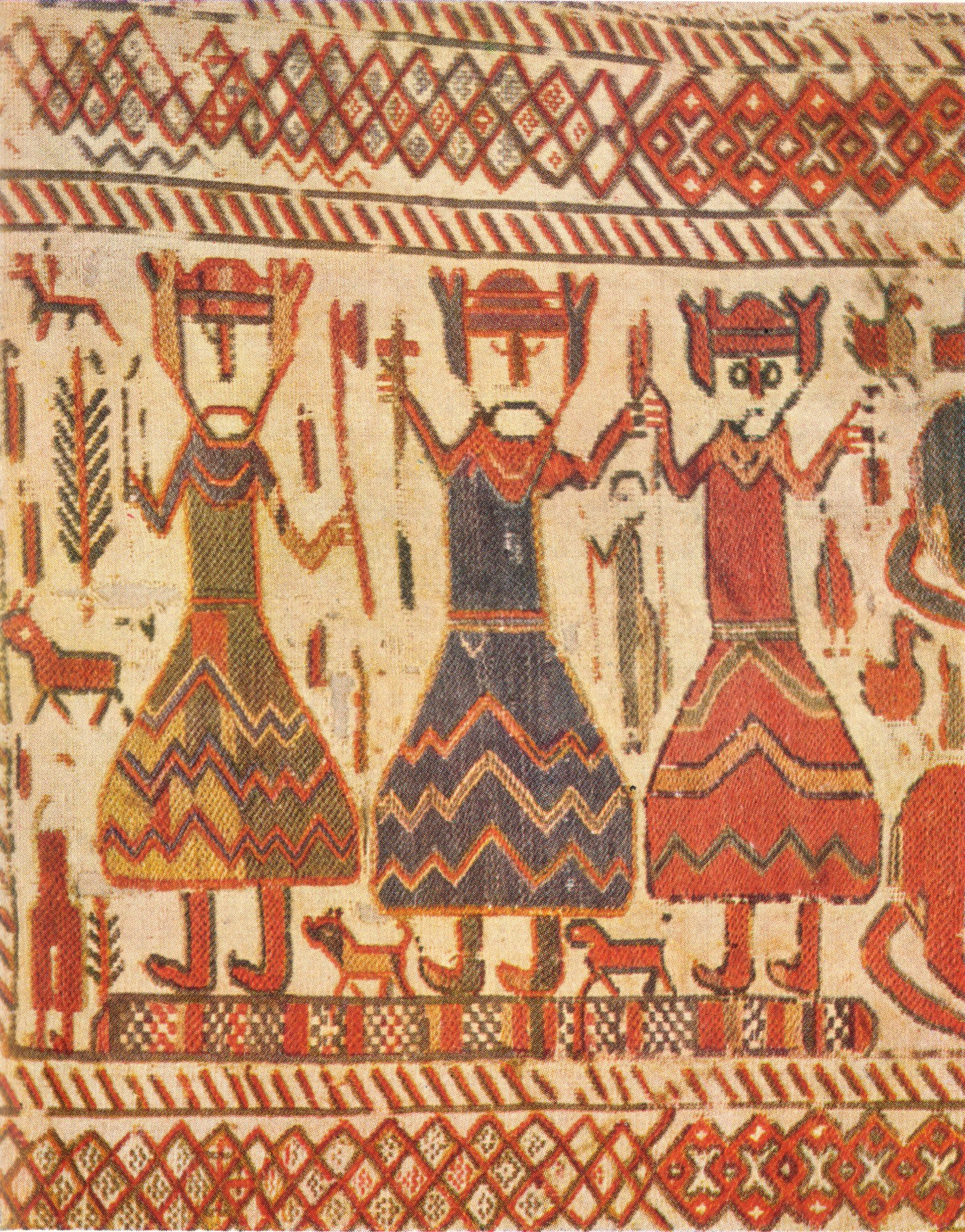
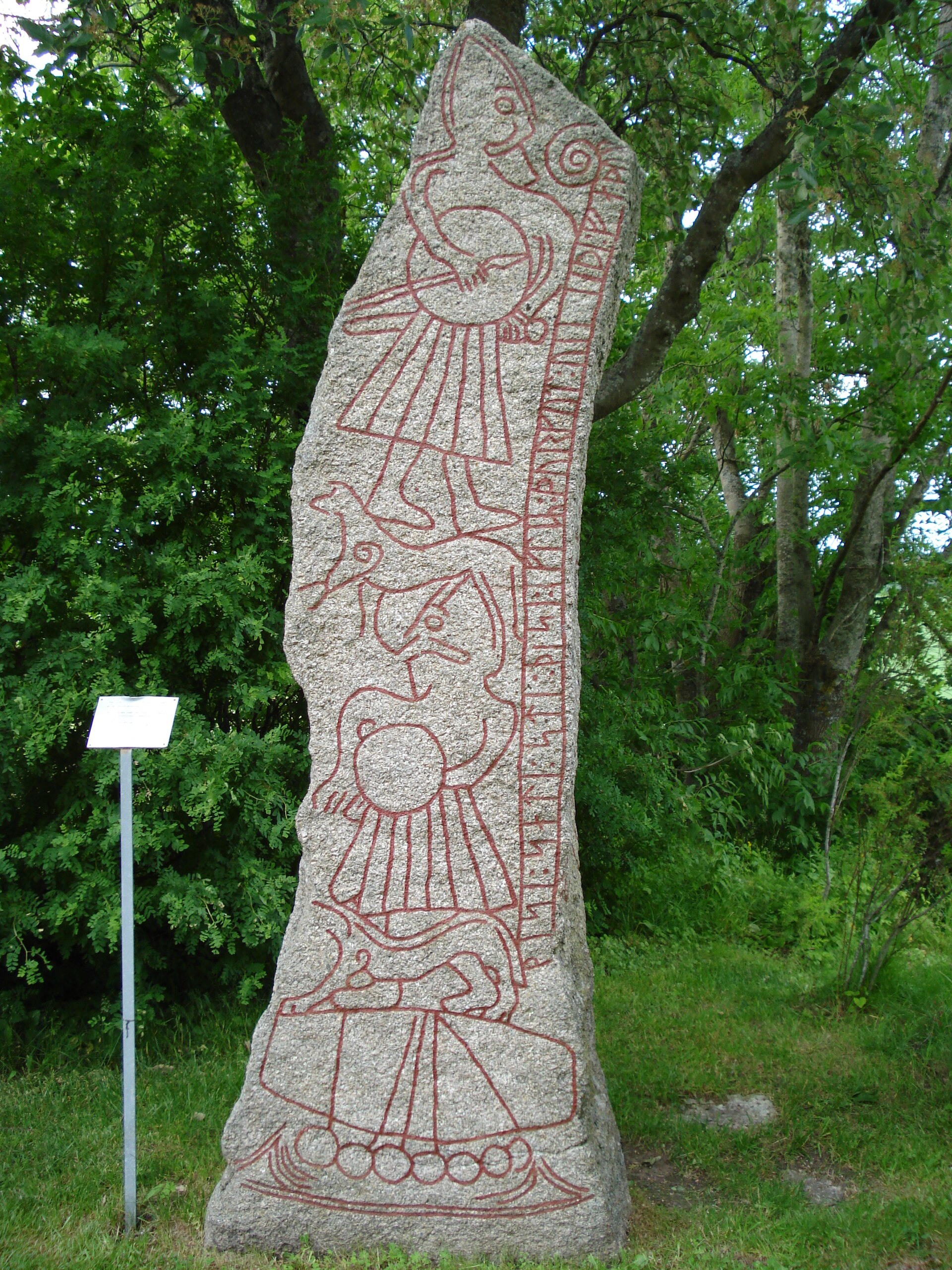
Odin was the chief god of the Norse and wider Germanic world — Woden to the English, Wotan to the continental Germans — and a strange one to sit at the top of a pantheon. He ruled war and kingship, but also poetry, magic, prophecy and the dead, and his myths show him hungry for a knowledge he is always paying for: an eye surrendered at Mímir’s well, nine nights hanging wounded on the world-tree to seize the runes. For the Viking Age he was the god of kings and skalds from Iceland to the rivers of Rus, receiving sacrifices — animal and human — in sacred groves, most famously at the great temple at Uppsala.
His worship did not fade so much as it was converted. As Christian kingship spread through the North between the tenth and twelfth centuries, the old religion was outlawed from the top down: Iceland adopted Christianity by a single vote of its assembly in the year 1000, Norway was hammered Christian by its kings, and around 1080–1100 the temple at Uppsala — the last great open centre of the cult — was pulled down. Odin did not vanish cleanly; he sank into folklore, into the Wild Hunt and the wandering one-eyed stranger, and into the language itself, where he survives best of all. Most people who say “Wednesday” have no idea they are still naming his day — a god reduced to a word, worshipped by no one and spoken by everyone.
Worth remembering
- Every Wednesday still carries his name — Old English Wōdnesdæg, 'Woden's day' — a fossil of the old religion embedded in the calendar that outlived the cult by a thousand years.
- Odin was a god you bargained with: he hanged himself nine nights on the world-tree Yggdrasil, pierced by his own spear, to win the runes, and traded an eye at Mímir's well for a draught of wisdom — a god of knowledge bought with pain.
Gallery
Watch
Sources
- The earliest record of the god later called Odin is Tacitus's Germania (c. 98 CE), in which the Germani are said to worship a chief deity the Romans identified with Mercury. Encyclopaedia Britannica
- The temple at Uppsala, described by Adam of Bremen as housing idols of Odin, Thor and Freyr and the site of great pagan sacrifices, was destroyed under the Christian king Inge the Elder around 1080–1100. World History Encyclopedia
- Scandinavia was Christianized between the 10th and 12th centuries; modern Heathenry/Ásatrú is a 20th-century reconstruction from texts and archaeology, not a continuous survival of the old cult. Wikipedia
A graveyard tradition: leave a stone to show you came, and remembered.