The patchwork of Celtic tribes whose last great revolt under Vercingetorix ended at Alesia in 52 BCE, leaving Gaul to Julius Caesar's conquest and Roman rule.
Born
500 BCE
Died
50 BCE
Lived
450 years
Dead for
2,076 yrs
Cause of death
Conquest
Replaced by
Roman Gaul (Gallia)
The Obituary
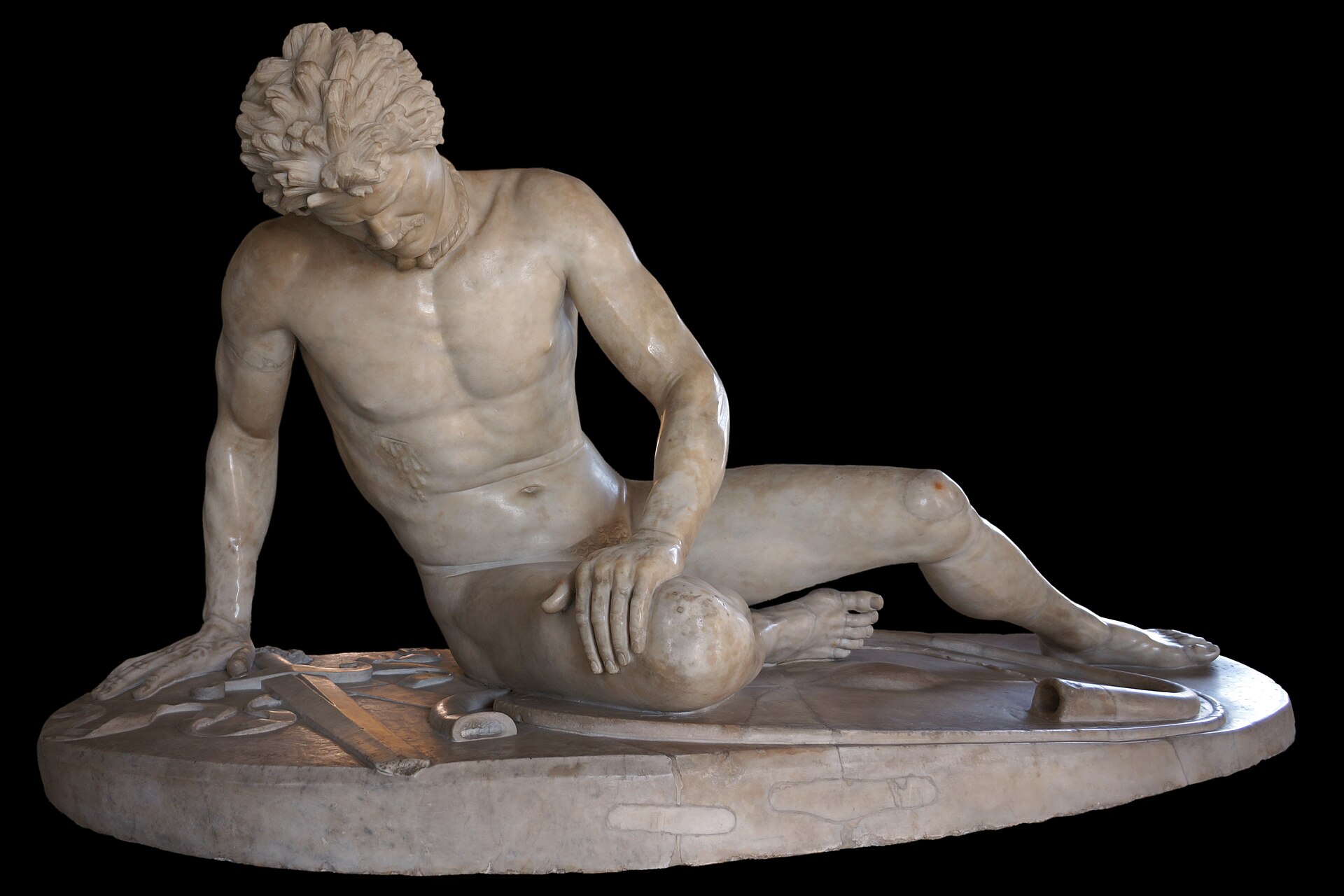
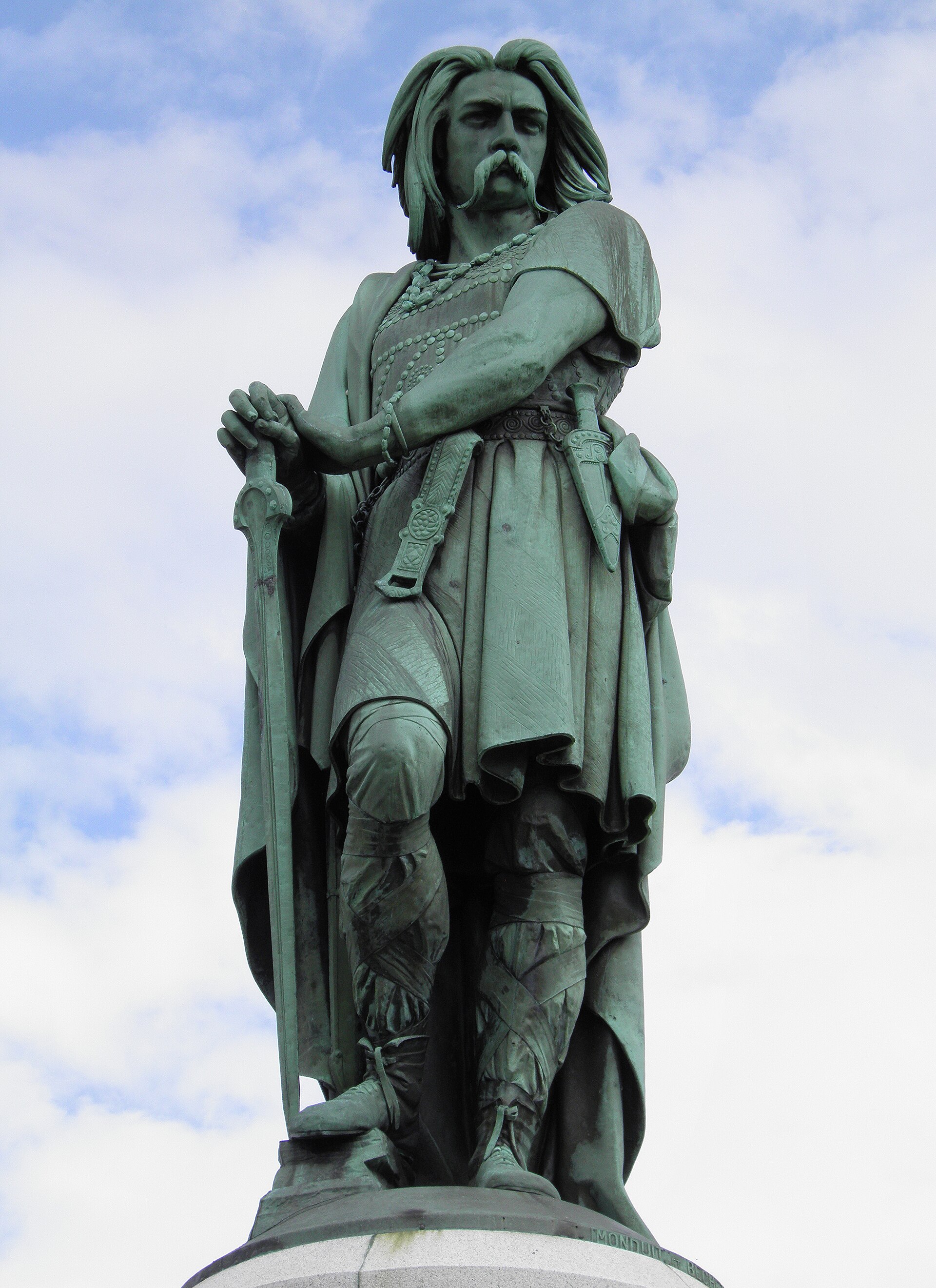
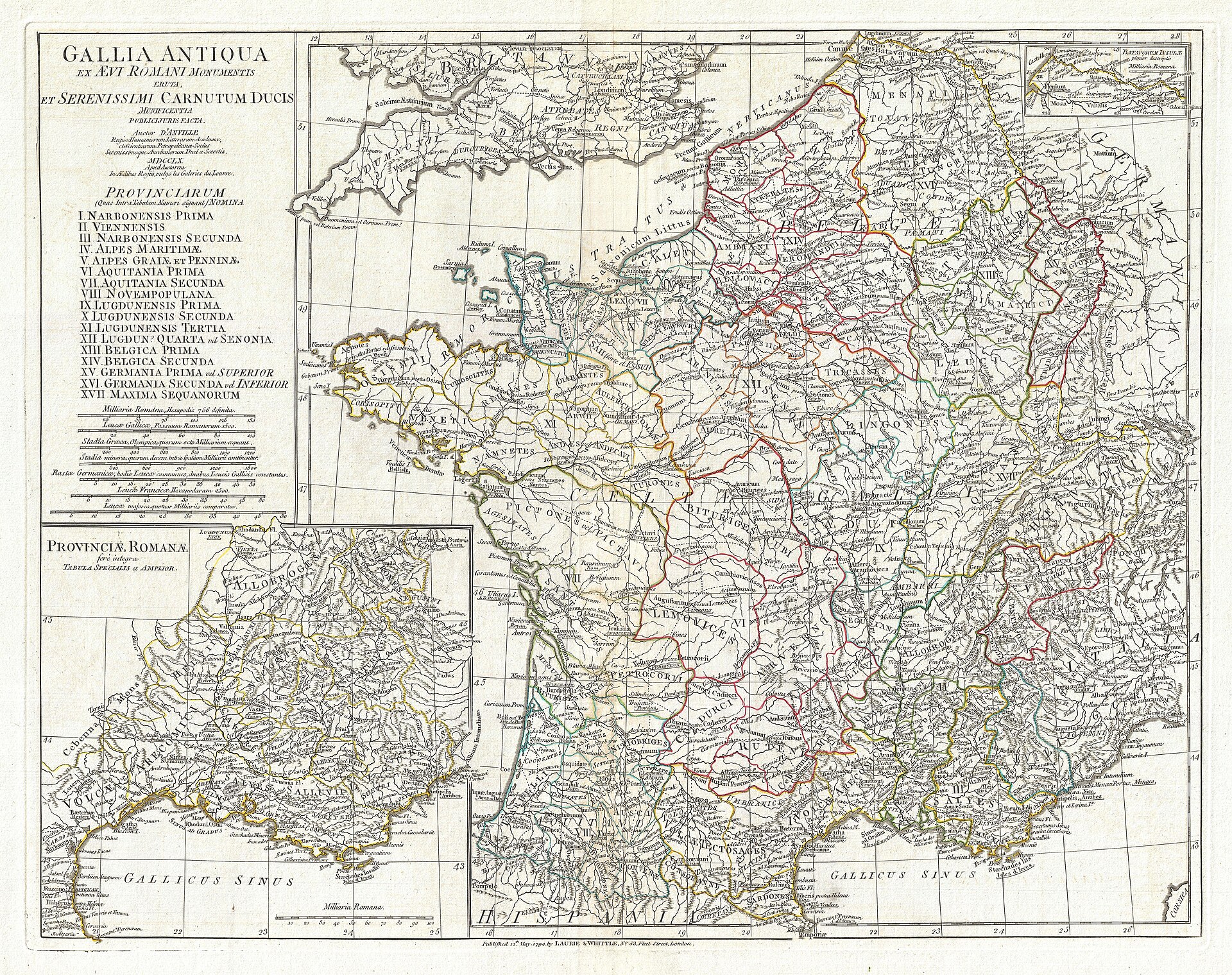
Gaul was never a single state but a sprawling collection of Celtic tribes — the Aedui, Arverni, Helvetii, and dozens more — spread across what is now France, Belgium, and beyond. Skilled metalworkers and fierce warriors, they had once terrorized the Mediterranean world, sacking Rome and raiding into Greece. Their independence ended with Julius Caesar’s brutal campaigns from 58 BCE — the Gallic Wars. The decisive blow fell in 52 BCE at Alesia, where Caesar besieged and captured the charismatic chieftain Vercingetorix, who had briefly united the tribes. Gaul became a Roman province, and within generations its elite spoke Latin and lived as Romans.
Worth remembering
Caesar's 'Commentarii de Bello Gallico' is our main source and opens with the line that Gaul was divided into three parts.
Gauls sacked Rome itself around 387 BCE, a humiliation Romans remembered for centuries.
Gallery
Colossal 19th-century statue of the Gallic chieftain Vercingetorix at Alesia, Côte-d'Or, FranceCarole Raddato · CC BY-SA 2.0Jean-Baptiste d'Anville's 1794 map of ancient Gaul (Gallia) in Roman timesPublic domain
Watch
Julius Caesar: The Making of a Dictator — BBC Select
Sources
Gaul was conquered by Julius Caesar in the Gallic Wars, completed by 50 BCE Wikipedia
Battle of Alesia (52 BCE) ended Vercingetorix's revolt and Gallic independence Wikipedia
The Gallic Wars (58–50 BCE) were Caesar's campaigns in which he conquered the Celtic tribes of Gaul, ending with his victory at Alesia over Vercingetorix Encyclopaedia Britannica
Vercingetorix briefly united several Gallic tribes in 52 BCE before being captured at the siege of Alesia and paraded in Caesar's triumph in Rome six years later World History Encyclopedia
A graveyard tradition: leave a stone to show you came, and remembered.
Buried nearby — by shared fate or a neighbouring lifespan.