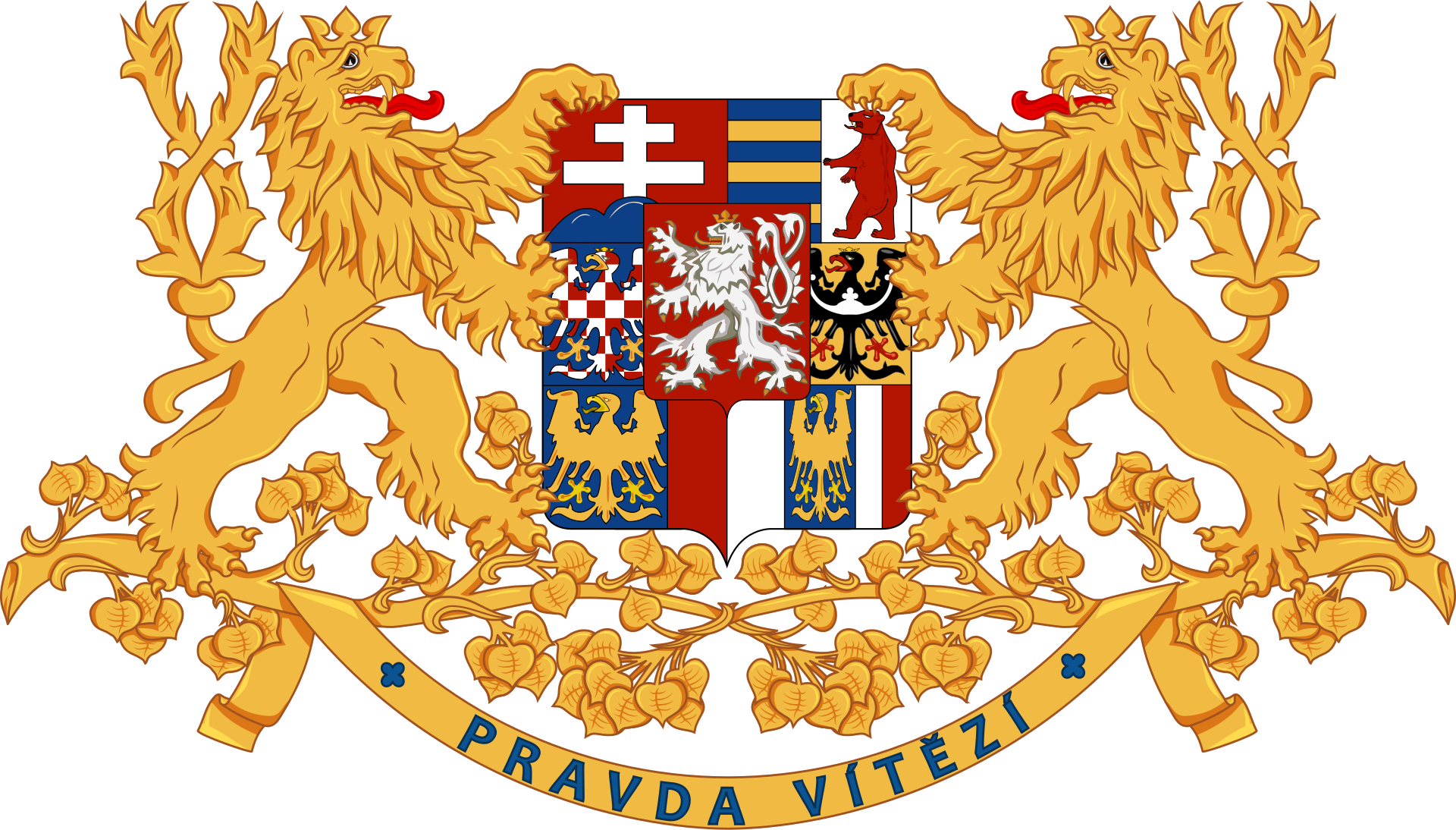
Czechoslovakia was born in 1918 from the ruins of Austria-Hungary, uniting Czechs and Slovaks in a single democratic republic. It thrived between the wars before the Western powers abandoned it at Munich in 1938, handing the Sudetenland borderlands to Hitler; the rest was occupied the next year. After the war it fell under Soviet domination, briefly thawed during the 1968 Prague Spring under Alexander Dubček, then was crushed by Warsaw Pact tanks. Communism collapsed in the peaceful 1989 Velvet Revolution. Within a few years Czech and Slovak leaders agreed to part ways, and on the last day of 1992 the Velvet Divorce dissolved the country amicably into the Czech Republic and Slovakia.
Worth remembering
- Between the wars it was one of the few functioning democracies in central Europe and a major arms manufacturer.
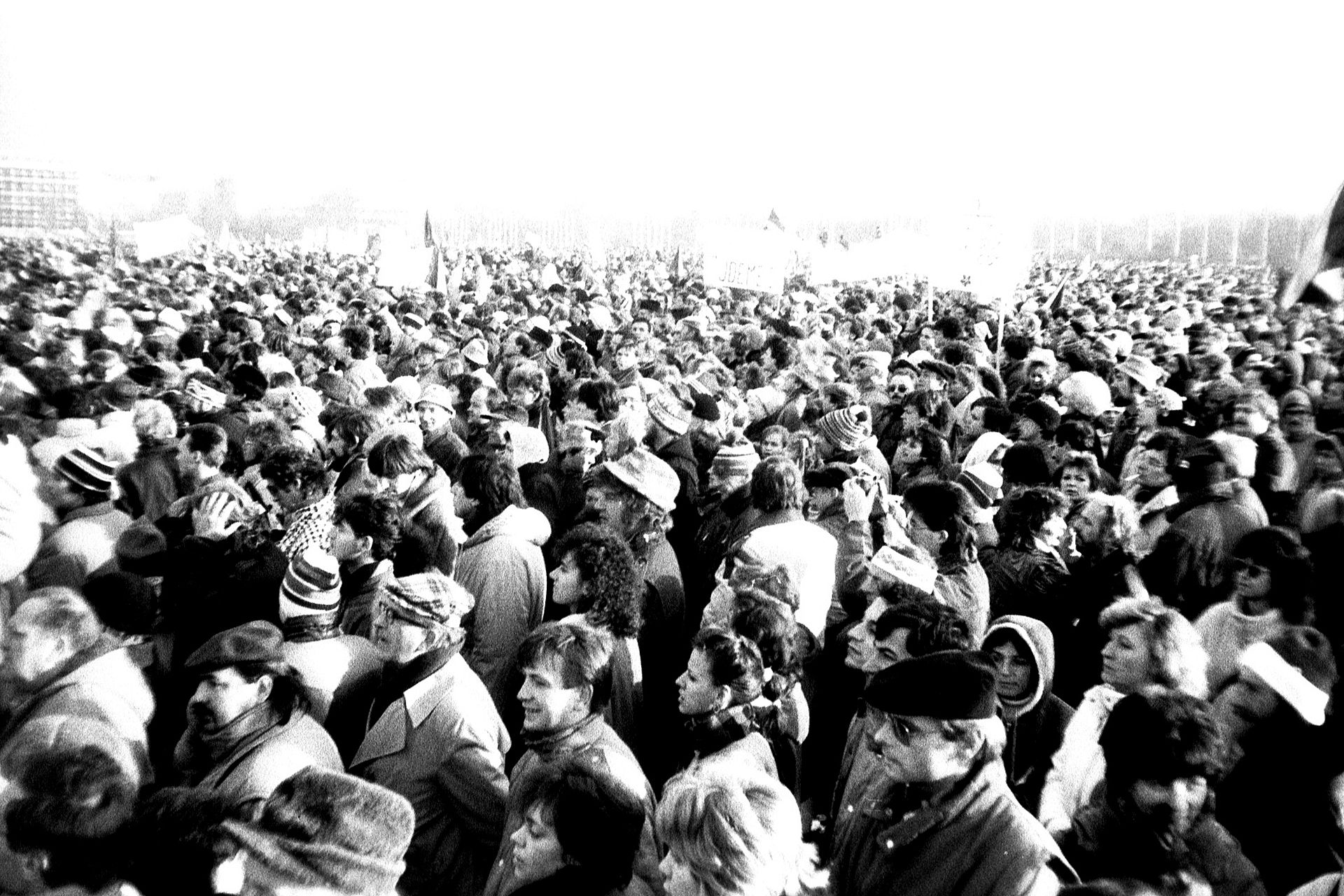
- The 1989 Velvet Revolution, led by playwright Vaclav Havel, ended communist rule without bloodshed.
Gallery
Watch
Sources
- Czechoslovakia founded 1918; peacefully dissolved into two states at the end of 1992 Wikipedia
- The 'Velvet Divorce' split the country into the Czech Republic and Slovakia Wikipedia
- The Munich Agreement of 30 September 1938 forced Czechoslovakia to cede the Sudetenland to Germany; the country lost about one-third of its population and was rendered militarily defenceless World History Encyclopedia
- The Prague Spring (January–August 1968) was a period of liberalisation under Alexander Dubček, ended when Warsaw Pact forces invaded on 20 August 1968 Encyclopaedia Britannica
- The Velvet Divorce — the negotiated dissolution of Czechoslovakia into the Czech Republic and Slovakia on 1 January 1993 — was agreed by political leaders without a public referendum Encyclopaedia Britannica
A graveyard tradition: leave a stone to show you came, and remembered.