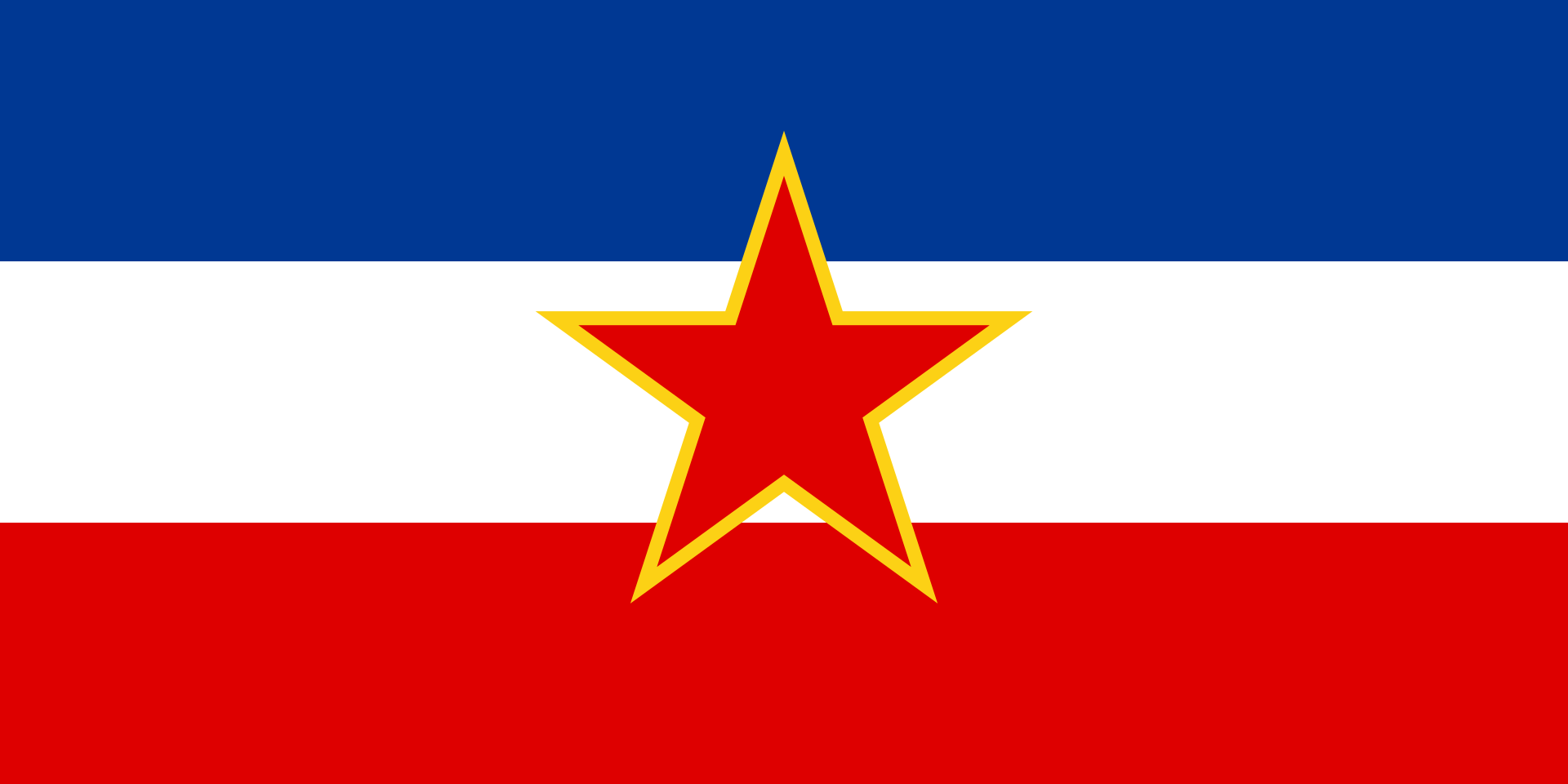
Kingdom of Serbs, Croats and Slovenes · Socialist Federal Republic of Yugoslavia
1918 CE1992 CE
A union of South Slavs that held together under Tito, then tore itself apart in the wars of 1991–1992 once he was gone — ended by ethnic cleansing and the Srebrenica genocide.
Born
1918 CE
Died
1992 CE
Lived
74 years
Dead for
34 yrs
Cause of death
Disaster
Replaced by
Slovenia, Croatia, Bosnia and Herzegovina, North Macedonia, Serbia, Montenegro, Kosovo
The Obituary
Born from the wreckage of Austria-Hungary as a kingdom of South Slavs, Yugoslavia was rebuilt after World War II as a socialist federation of six republics under Tito, who balanced its rival nationalities and kept Moscow at arm’s length. His death in 1980 removed the keystone. Economic crisis and resurgent nationalism, especially Serbian, fractured the federation. Slovenia and Croatia declared independence in 1991, igniting a decade of wars marked by ethnic cleansing and the massacre at Srebrenica. By 1992 the old federation was gone, replaced by a string of contested new states.
Worth remembering
Under Josip Broz Tito it broke with Stalin in 1948 and led the Non-Aligned Movement.
It hosted the 1984 Winter Olympics in Sarajevo, a city besieged less than a decade later.
Gallery
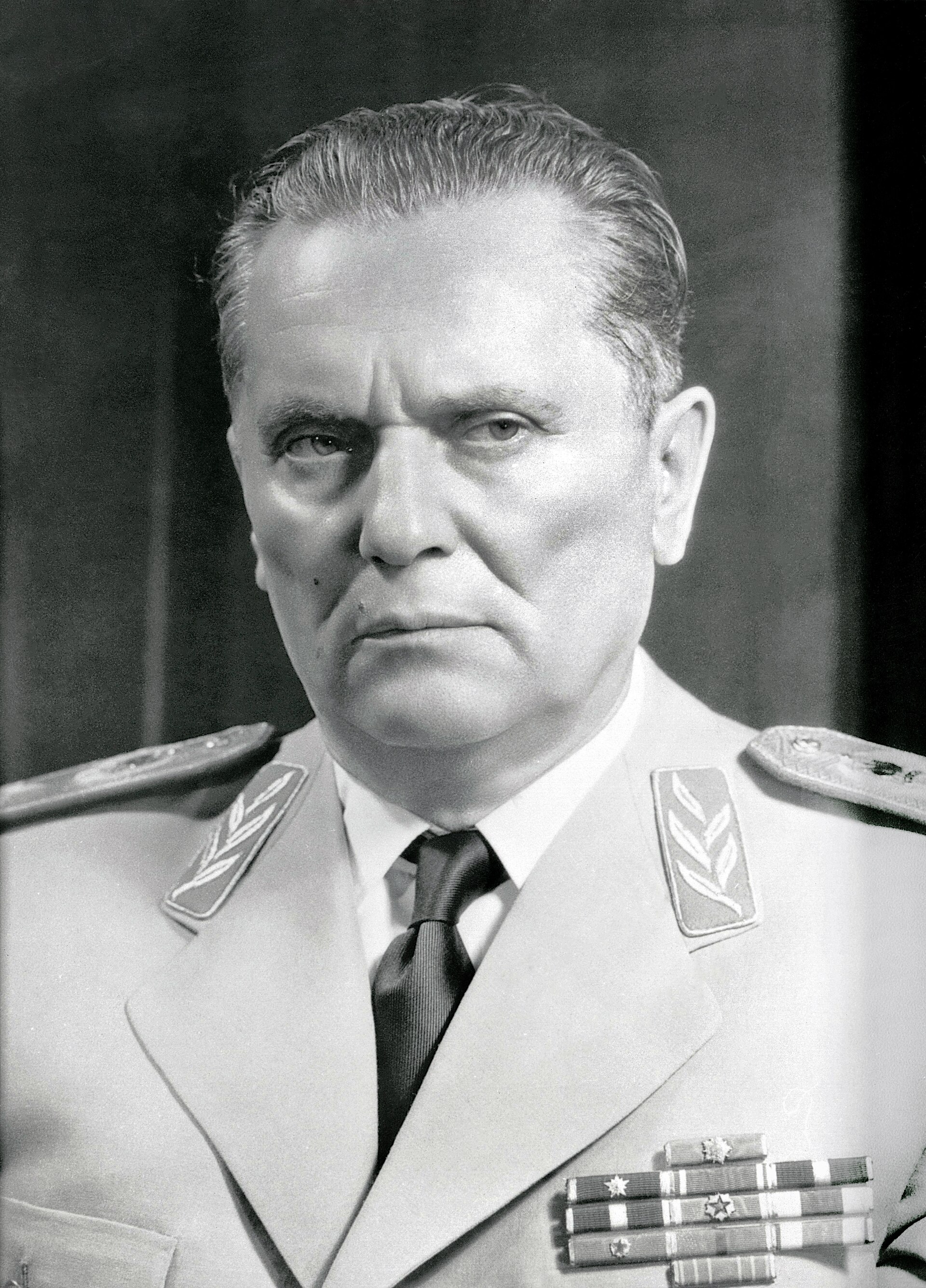
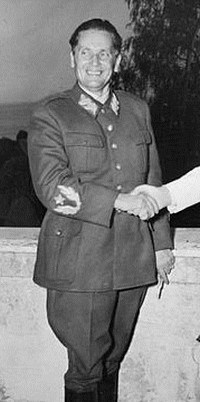
Josip Broz Tito, leader of socialist Yugoslavia, in uniformPublic domainTito as Partisan commander in 1944 during World War IIPublic domain
Watch
Slovenian War of Independence: Yugoslav Wars up close, 1991–92 — Frontline by ITN
Sources
Yugoslavia formed in 1918 as the Kingdom of Serbs, Croats and Slovenes Wikipedia
Tito broke with Stalin in 1948 and co-founded the Non-Aligned Movement, hosting its first conference in Belgrade in 1961 alongside Nasser, Nehru, Nkrumah, and Sukarno Encyclopaedia Britannica
The Srebrenica genocide of July 1995 saw Bosnian Serb forces kill more than 8,000 Bosniak boys and men — the worst atrocity in Europe since World War II Encyclopaedia Britannica
A graveyard tradition: leave a stone to show you came, and remembered.
Buried nearby — by shared fate or a neighbouring lifespan.