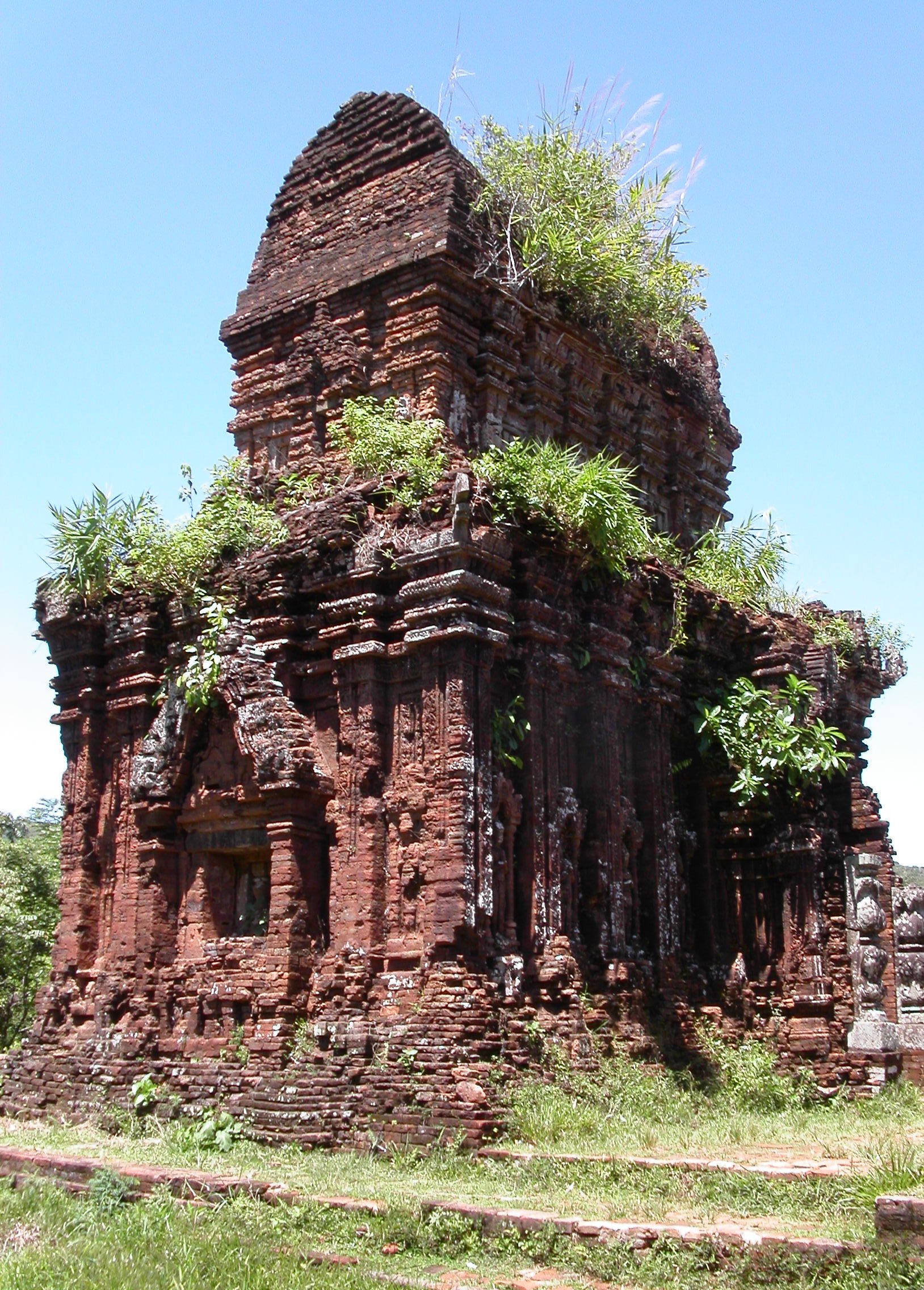
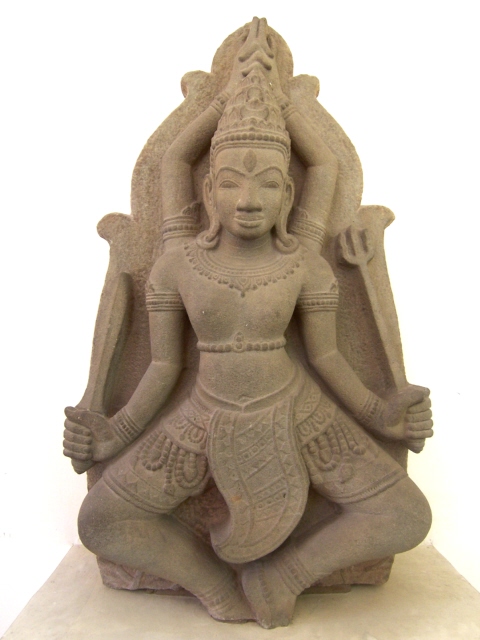
For more than a thousand years Champa held the central Vietnamese coast: a string of Cham polities that Britannica traces to 192 CE, when a Han official named Khu Liên broke away to found Lâm Ấp. The Cham took their religion, script, and temple architecture from India by sea. At Mỹ Sơn they raised nearly 70 brick tower-temples between the 4th and 13th centuries, dedicated above all to Shiva, the bricks fired to roughly 850°C and bonded with dầu rái resin rather than stone mortar. They lived off a coastline over 1,000 km long that sat on the trade route between the Indian Ocean and China, dealing in sandalwood, aromatics, and slaves, and turning to raiding when it paid. In 1177 a Cham fleet under Jaya Indravarman IV sailed up the Mekong and sacked Angkor, the Khmer capital. The northern capital shifted south to Vijaya around AD 1000 under pressure from the Viet, and Vijaya became the centre of the kingdom for the next four and a half centuries.
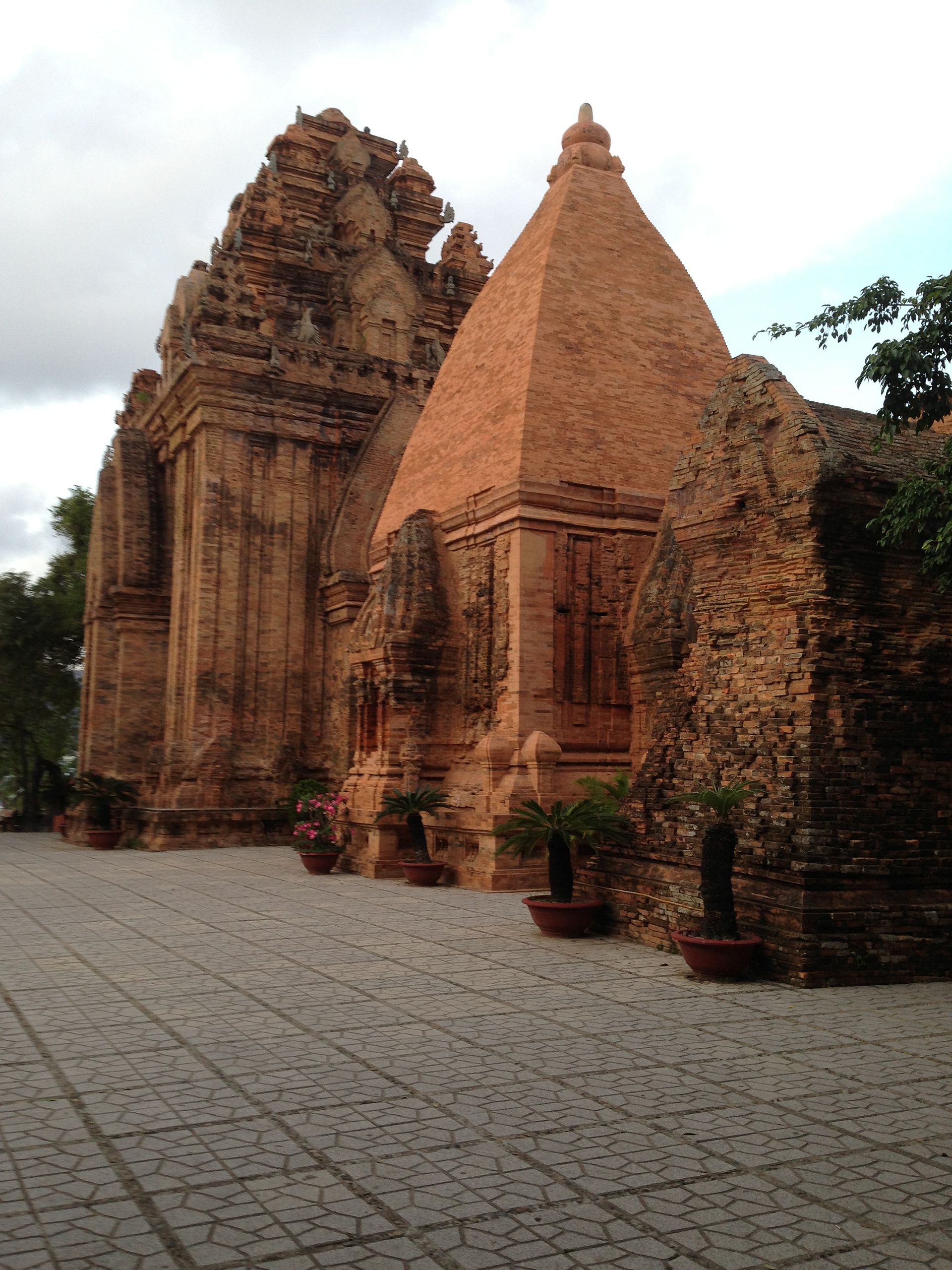
The end came from the north, slowly, through the Vietnamese southward expansion the Vietnamese call Nam tiến. The decisive blow fell on 18–22 March 1471, when Lê Thánh Tông led an army of 100,000 or more against Vijaya: the Cham dead are put at 40,000 to 60,000 with about 30,000 taken captive, and Đại Việt annexed more than 500 miles of coast. After that Champa was no longer a power. A single southern principality, Panduranga, survived as a client state until 1832, when Minh Mạng absorbed it into Đại Nam and the kingdom ceased to exist. The Cham people did not. They remain a minority in Vietnam and Cambodia today, some Hindu, most Muslim, still speaking Cham, still using the Mỹ Sơn and Po Nagar towers for worship. That is the survival of a people. The kingdom, its fleet, and its dominance of the coast are gone.
Worth remembering
- Built the Mỹ Sơn sanctuary: nearly 70 Hindu brick tower-temples raised from the 4th to the 13th centuries, the bricks fired to about 850°C and bonded with dầu rái resin instead of stone mortar.
- Lost its capital Vijaya in the Battle of Vijaya, 18–22 March 1471, when Lê Thánh Tông's Đại Việt army killed 40,000–60,000 Cham and captured about 30,000, then annexed over 500 miles of coast.
Gallery
Sources
- Champa was founded in 192 CE (as Lâm Ấp under Khu Liên) and persisted as a Hindu-Cham kingdom on the central Vietnamese coast; its capital Vijaya was the political and cultural centre from around AD 1000 until it was sacked by the Viet in 1471. Encyclopaedia Britannica
- In the Battle of Vijaya (18–22 March 1471), Đại Việt under Lê Thánh Tông captured the Cham capital; between 40,000 and 60,000 Cham were killed and about 30,000 captured, and Đại Việt annexed more than 500 miles of Cham coast, effectively eliminating Champa as a serious power. EBSCO Research Starters
- Mỹ Sơn was the Cham royal sanctuary where the god-king was worshipped as Shiva; its nearly 70 brick tower-temples were built continually from the 4th to the 13th centuries CE, the bricks fired to about 850°C and bonded with dầu rái resin rather than stone mortar, and the kingdom held a coastline of over 1,000 km on an international trade route. World History Encyclopedia
A graveyard tradition: leave a stone to show you came, and remembered.