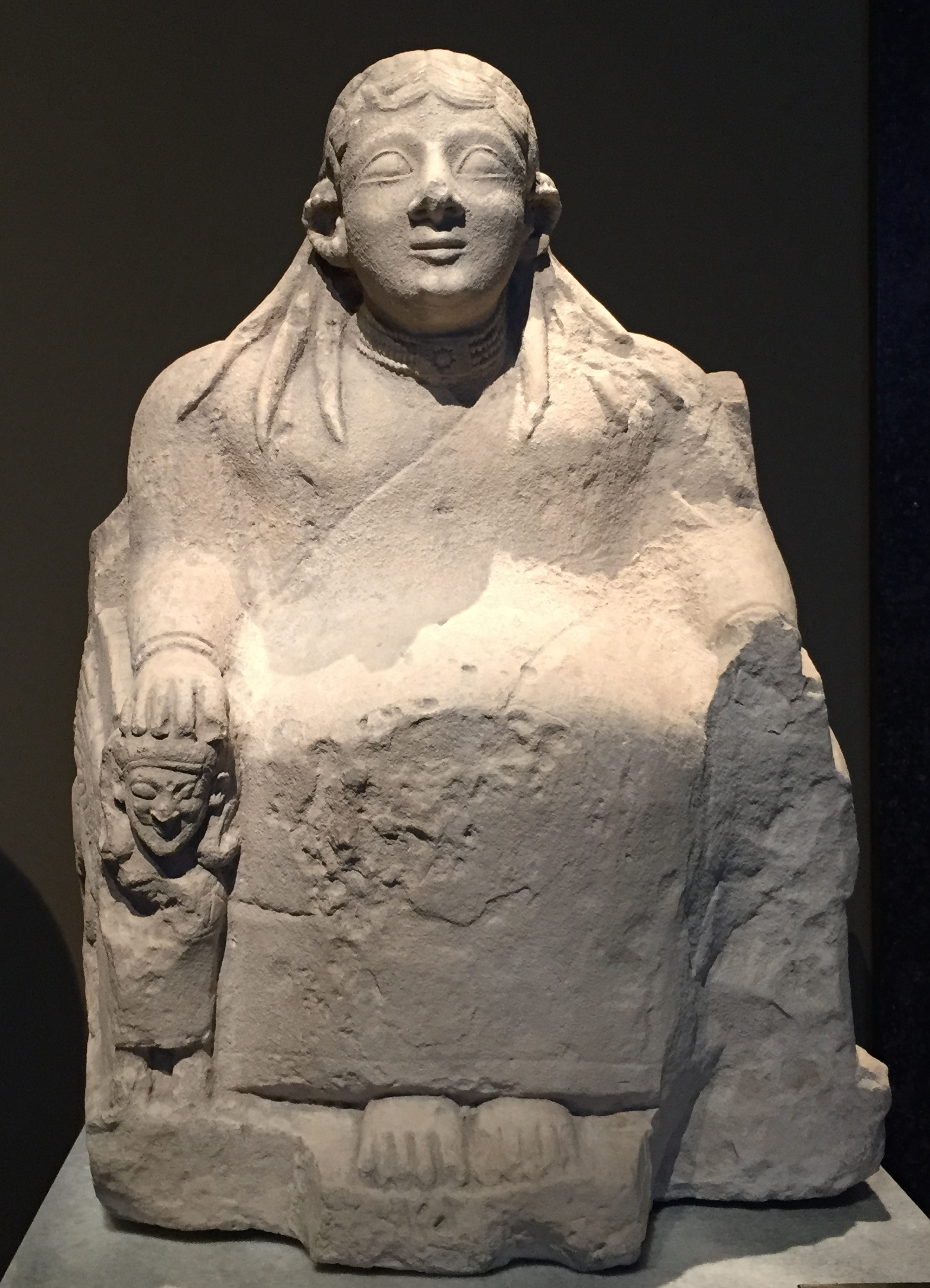
Phoenician goddess of love and war whose evening star — the planet Venus — outshone empires; condemned in Hebrew scripture as Ashtoreth, until the cult of Mary inherited her light.
Born
1500 BCE
Died
300 CE
Lived
1,800 years
Dead for
1,726 yrs
Cause of death
Assimilation · Forgotten
Replaced by
Christianity
The Obituary
Astarte was the Phoenician and Canaanite goddess of love, war, and fertility, associated with the planet Venus as the evening star. Cognate with Mesopotamian Ishtar and equated by Greeks with Aphrodite, she held major temples at Sidon and across the Mediterranean, where Carthaginian and Cypriot worshippers honored her with rites of fertility. Condemned in Hebrew scripture as Ashtoreth, her cult eroded as the Roman Levant turned Christian, and her worship was extinct by late antiquity.
Worth remembering
She was the Phoenician evening star, linked to the planet Venus and to fertility, sexuality, and war.
Greeks identified her with Aphrodite and the Mesopotamians knew her counterpart as Ishtar.
Gallery
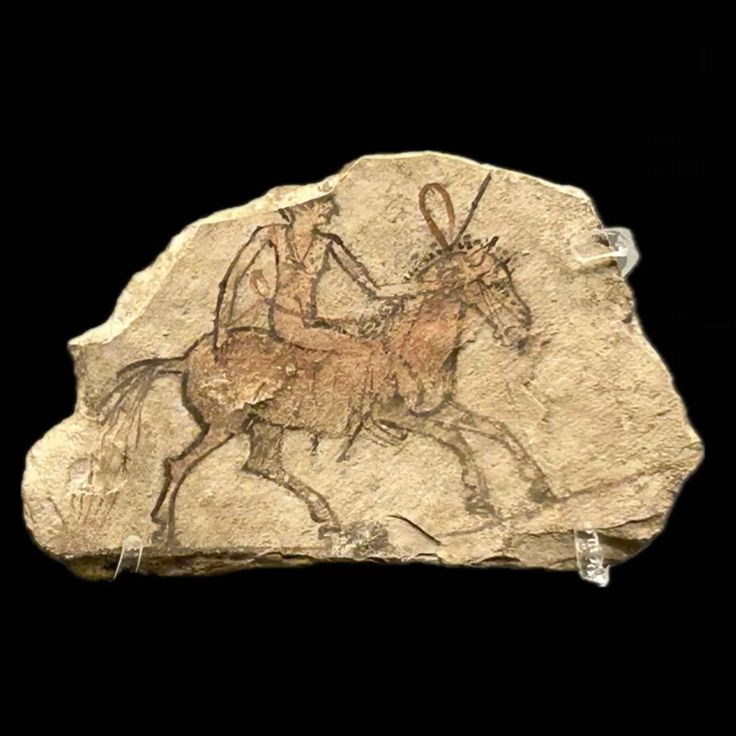
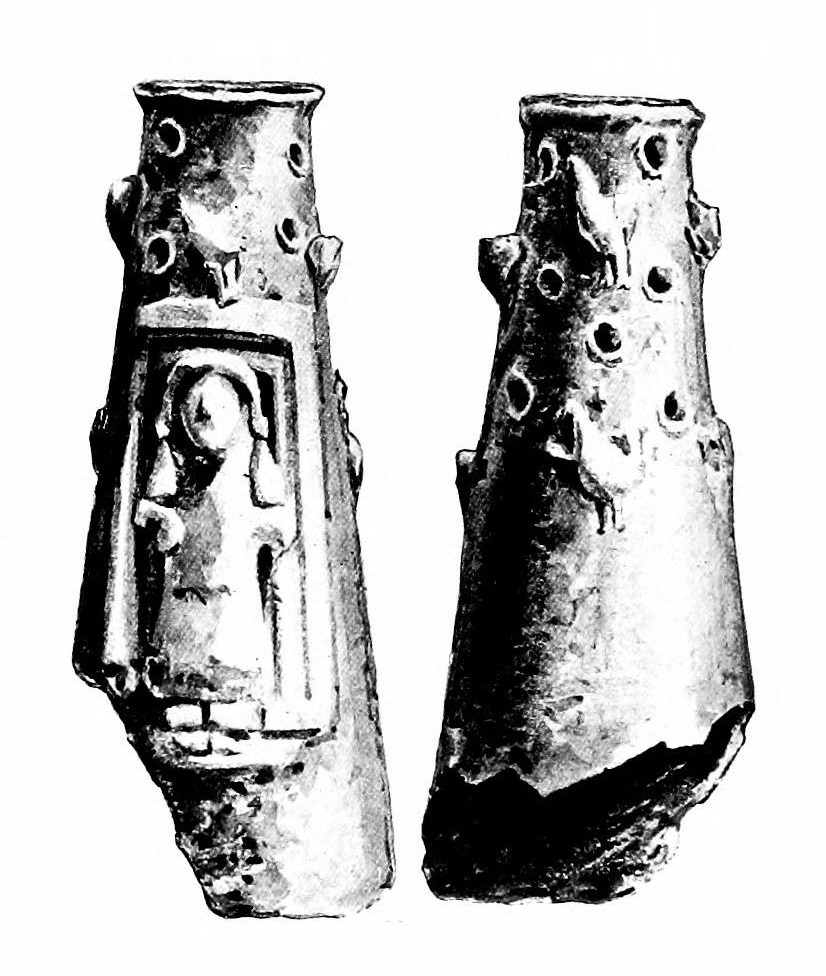
Egyptian New Kingdom depiction of Astarte mounted on a stallion, Fitzwilliam MuseumSpeakingArch · CC BY-SA 4.0Terracotta vessel from Kition with dove and woman motifs relating to AstartePublic domain
Sources
Astarte was a goddess of love and war worshipped across the Levant Wikipedia
She was associated with the planet Venus and equated with Ishtar and Aphrodite World History Encyclopedia
Ishtar, the Mesopotamian counterpart of Astarte, was goddess of war and sexual love, associated with Venus as the morning and evening star — the same stellar identity the Phoenicians gave to Astarte. Encyclopaedia Britannica
A graveyard tradition: leave a stone to show you came, and remembered.
Buried nearby — by shared fate or a neighbouring lifespan.