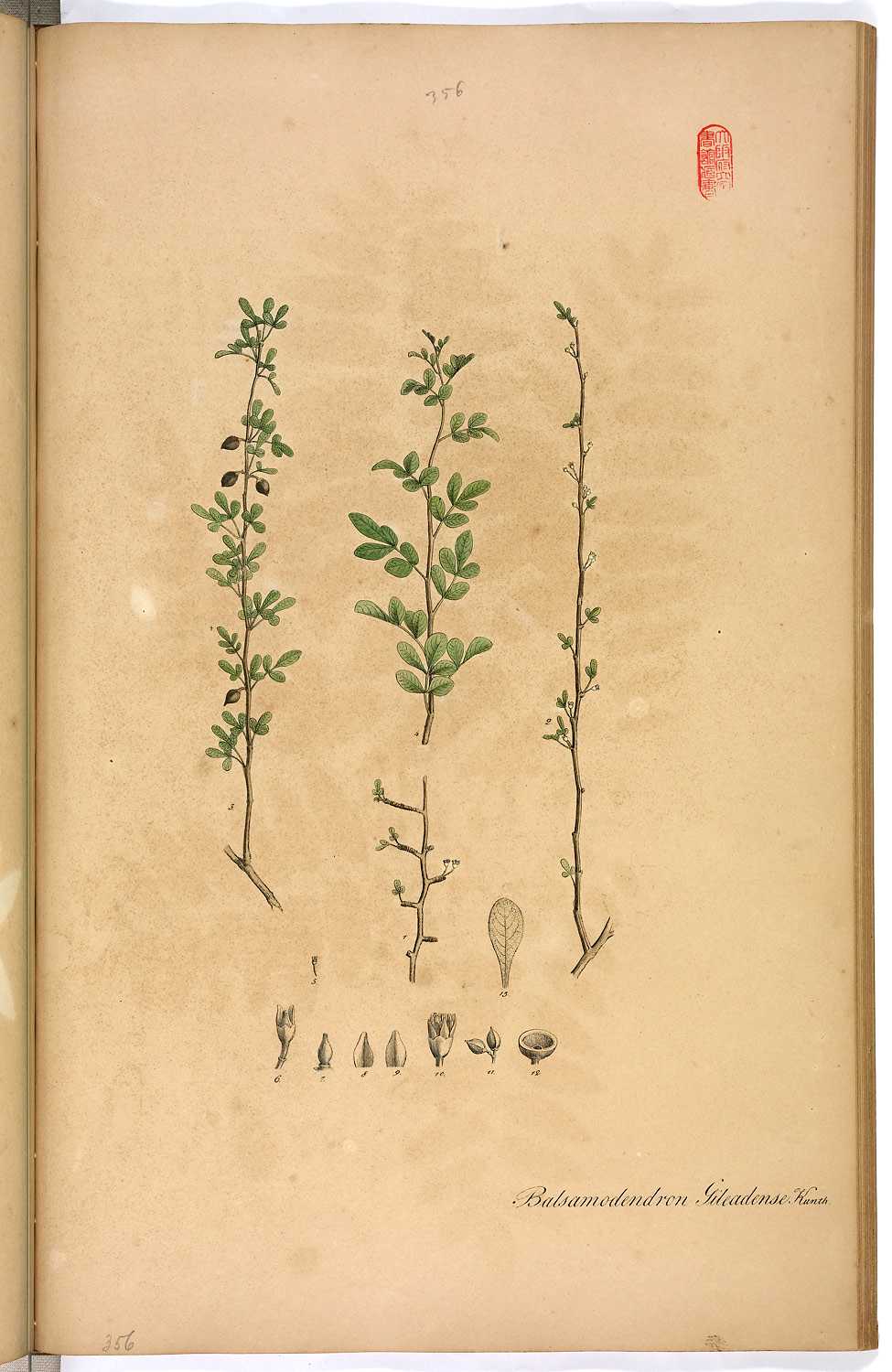
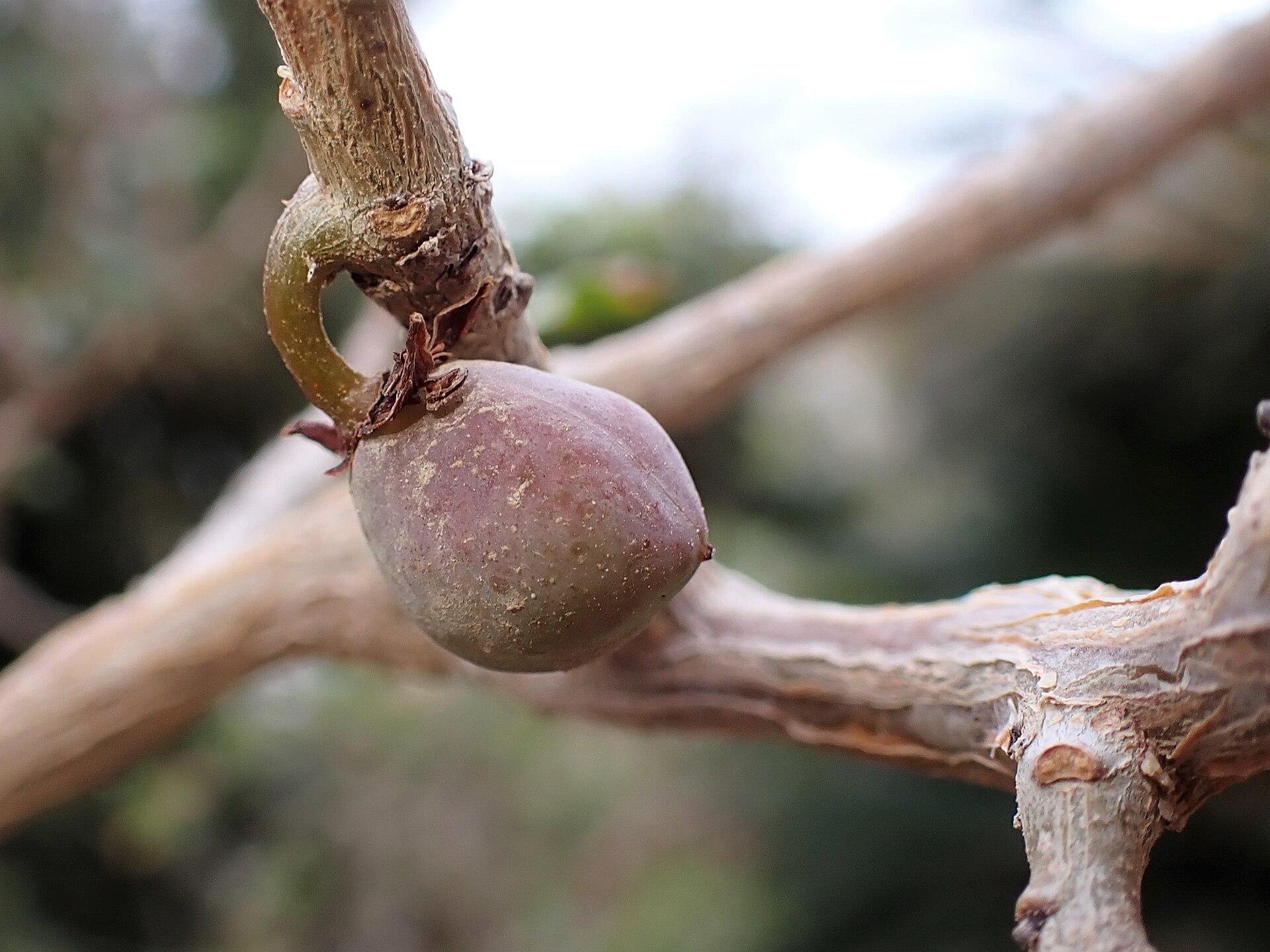
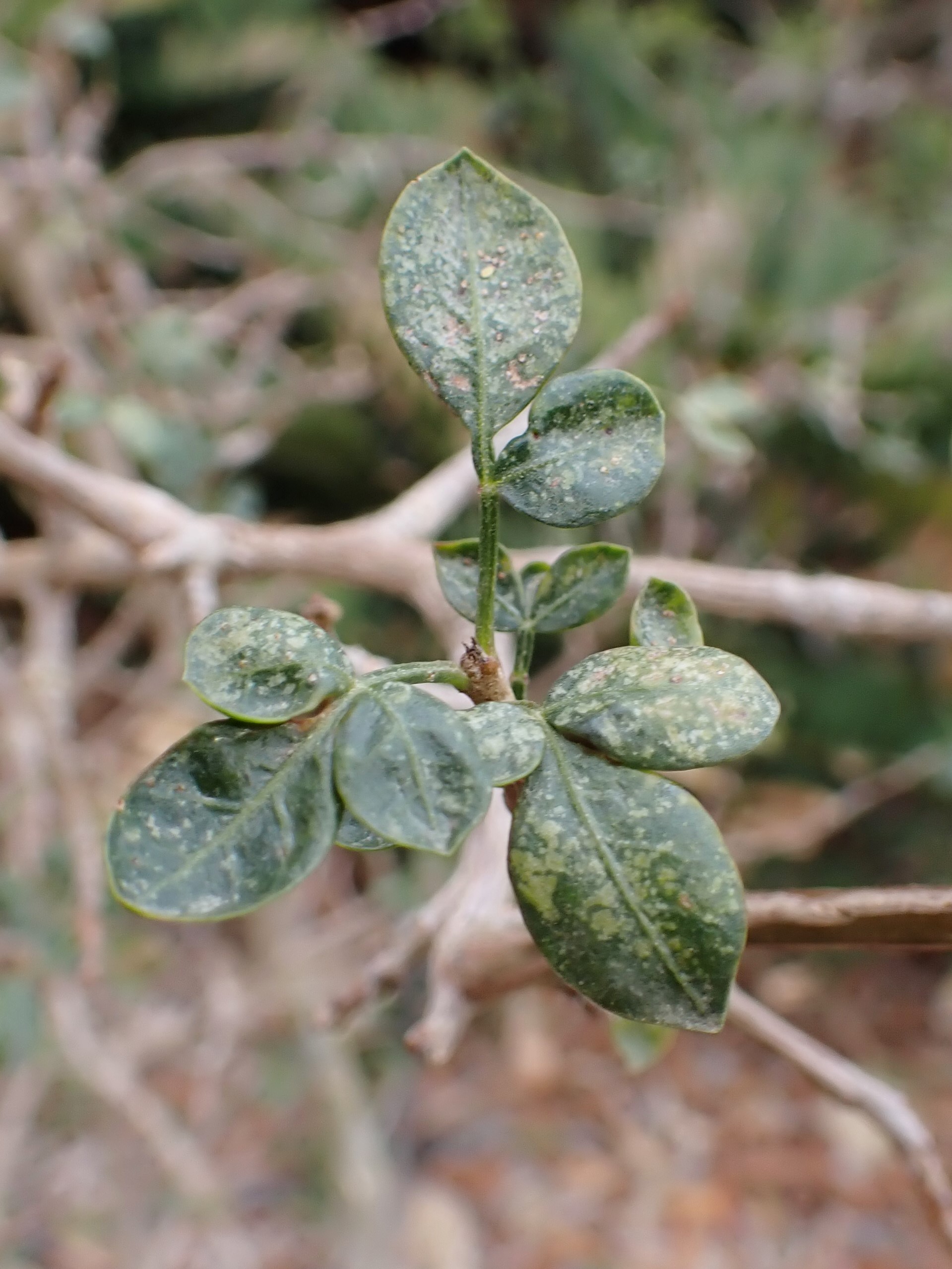
The balsam orchards of the Dead Sea valley, near Jericho and Ein Gedi, were the most prized agricultural property in the ancient world, yielding a resin from a Commiphora tree (likely Commiphora opobalsamum or Commiphora gileadensis). The plant — almost certainly a Commiphora species found only in the Jordan Rift valley under very specific conditions — yielded a resin of such distinctive fragrance and supposed medical power that its juice sold at twice its weight in silver. Romans wrote about its scent as unlike anything else known. It was used in the Temple’s incense, in the anointing oil of the Jewish kings, and in the most expensive perfumes and medicines of the classical world. Cleopatra was said to have cultivated some of the trees in her own garden as a gift from Mark Antony.
When the Romans came, the plant became a prize of war. Pliny the Elder records that during the Jewish revolt, the Jewish fighters themselves cut down sections of the balsam groves rather than let Rome harvest them — and that Roman soldiers fought to protect the trees. Vespasian displayed the captured plants in his triumph through Rome. The Roman state then managed the groves as an imperial monopoly under guard. But the occupation changed the agricultural traditions, the Levant was repeatedly conquered and reconquered, and gradually the specific cultivation knowledge faded. By the Crusader period the orchards were gone. By the 13th century the plant was extinct in Judaea and the processing method had died with it.
In 2024 researchers at the Hebrew University successfully germinated seeds recovered from a medieval archaeological context — possibly the oldest viable botanical seeds ever grown — and raised a small tree. The tree’s DNA confirmed it as related to the balsam family. The tree has none of the aromatic compounds that made the original famous. The smell that Roman writers described as impossible to compare to anything else is still impossible to compare to anything — because it is still gone.
Worth remembering
- Pliny the Elder reports that the balsam groves of Judaea were displayed as trophies in Vespasian's triumph through Rome in 71 CE — the conquest of a people literally paraded as a perfume crop. The trees themselves, more famous than any gold, were shown to the Roman crowd.
- The juice was harvested by scraping the bark with glass, bone, or stone — never iron, which was said to damage the plant — and sold by the amphora at twice the weight-price of silver; a small bottle of the finished product was a diplomatic gift fit for kings.
Gallery
Sources
- The balsam of Judea was an extraordinarily valuable product cultivated near Jericho and Ein Gedi; ancient sources describe its scent as unique and its medical and perfumery uses as unparalleled; the orchards were destroyed during the Jewish–Roman Wars and by the Crusader period the specific cultivar was extinct Wikipedia
- Pliny the Elder describes Jewish fighters cutting down balsam trees during the revolt to deny Rome the harvest; the plant was displayed in Vespasian's triumph; a 2024 experiment germinated a 1,000-year-old seed and grew a tree that lacked the aromatic compounds characteristic of the ancient balm Science / AAAS
A graveyard tradition: leave a stone to show you came, and remembered.