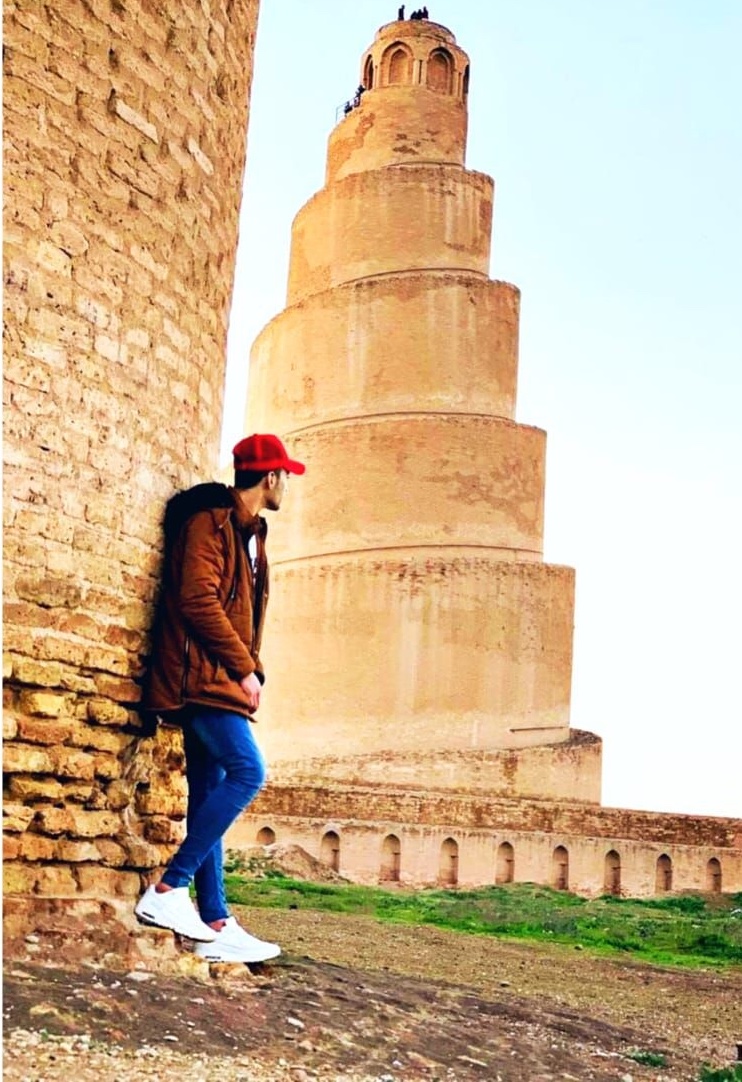
The dynasty of Baghdad's golden age, whose House of Wisdom (Bayt al-Hikma) outshone the world until Hulagu Khan's Mongols sacked Baghdad in 1258 and drowned its libraries in the Tigris.
Born
750 CE
Died
1258 CE
Lived
508 years
Dead for
768 yrs
Cause of death
Conquest
Replaced by
Mongol Ilkhanate in Iraq; Mamluk-sponsored shadow caliphate in Cairo
The Obituary
The Abbasids seized the caliphate in 750, toppling the Umayyads and moving the centre of the Islamic world east to a new capital: Baghdad. For the next century the city was the intellectual capital of the planet, where scholars at the House of Wisdom (Bayt al-Hikma) translated Aristotle, advanced algebra, and recorded medicine while much of Europe languished. Political power frayed over time as regional dynasties and Turkic soldiers eclipsed the caliphs. The end was violent: in 1258 Hulagu Khan’s Mongols stormed Baghdad, executed the caliph, and destroyed its libraries. A powerless shadow caliphate lingered in Cairo until 1517.
Worth remembering
Baghdad's House of Wisdom translated and preserved Greek, Persian, and Indian science during the Islamic Golden Age.
At its founding it stretched from North Africa to Central Asia, the largest empire of its day.
Gallery
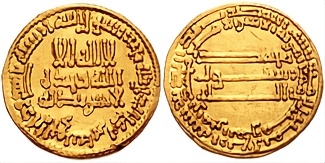
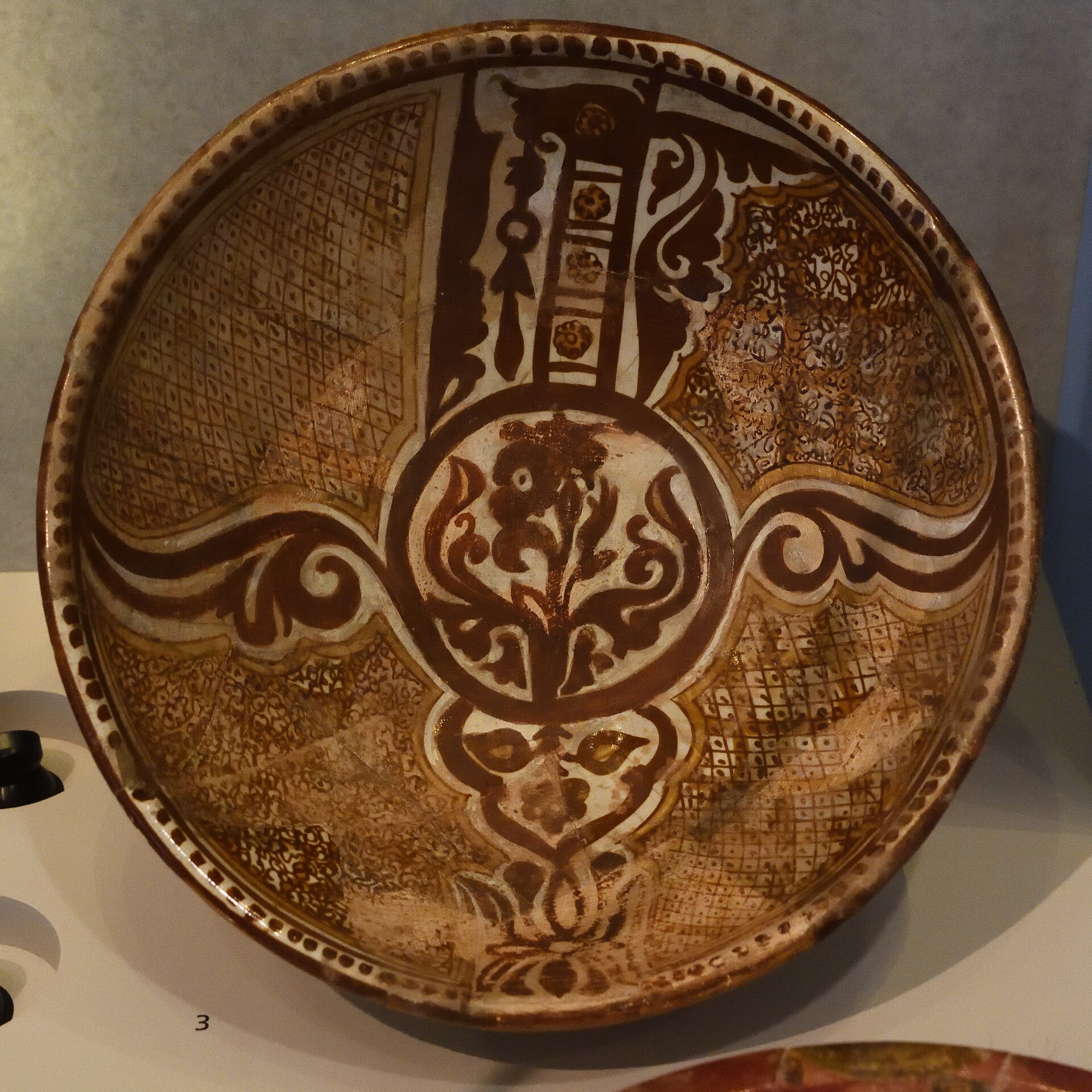
Gold dinar struck under Abbasid caliph Harun al-Rashid, 184 AH (800 AD)PHGCOM · CC BY-SA 2.5Abbasid lustre-painted earthenware dish with stylised bird, Samarra, 9th centuryDosseman · CC BY-SA 4.0
Watch
The golden age of Islam — Khan Academy
Sources
Abbasid Caliphate founded 750; Baghdad sacked by Hulagu Khan's Mongols in 1258 Wikipedia
Siege of Baghdad (1258) ended the Abbasid era in Iraq Wikipedia
The Abbasid Dynasty founded the House of Wisdom (Bayt al-Hikma) in Baghdad, which became the pre-eminent center of translation and scholarship during the Islamic Golden Age World History Encyclopedia
The House of Wisdom (Bayt al-Hikma) in Baghdad collected and translated Greek, Persian, and Indian scientific texts; scholars there made foundational advances in mathematics, astronomy, and medicine World History Encyclopedia
A graveyard tradition: leave a stone to show you came, and remembered.
Buried nearby — by shared fate or a neighbouring lifespan.