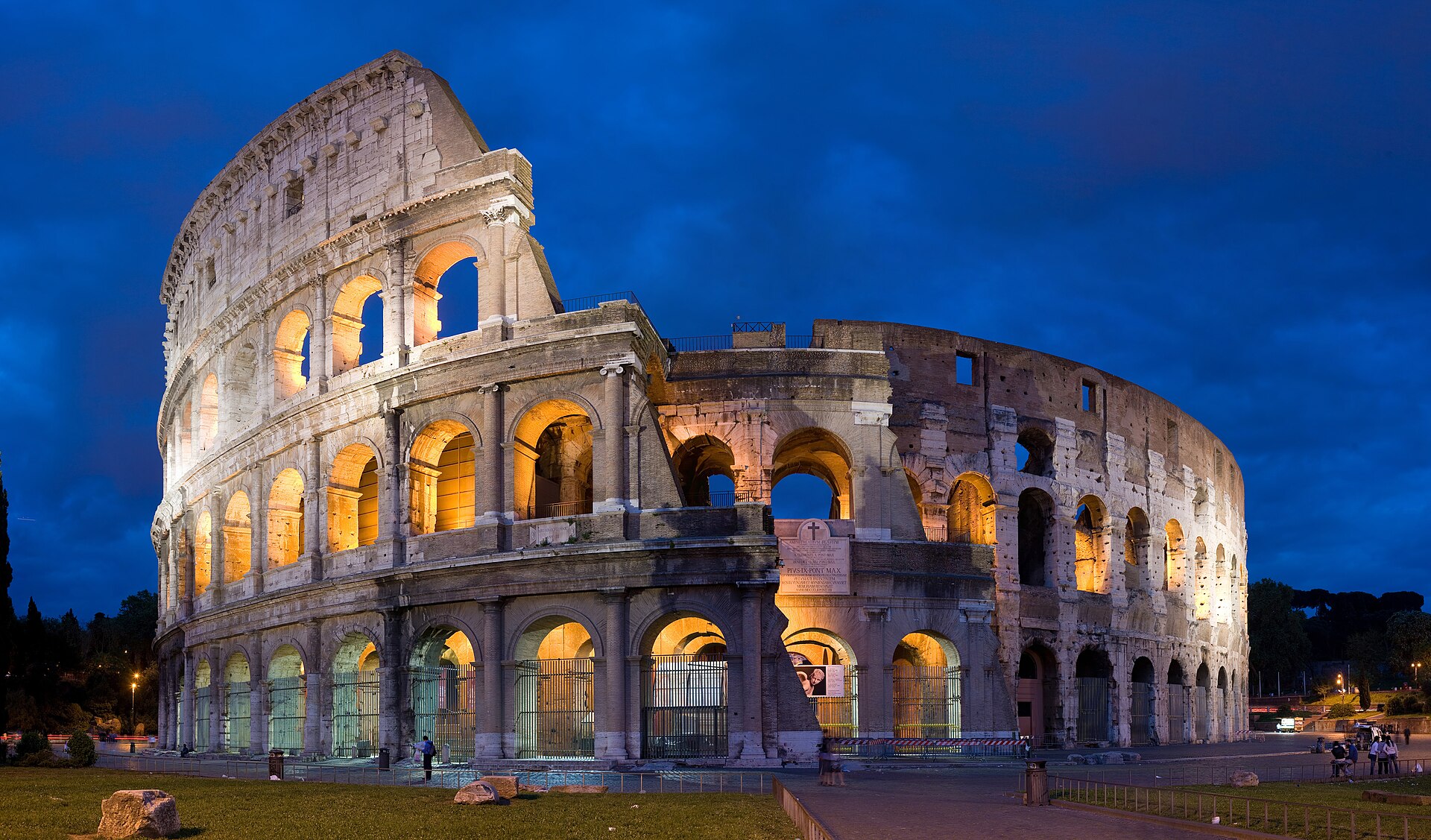
The Western Roman Empire is the archetype of collapse — and almost nothing about its death matches the myth. There was no single sack that ended it, no apocalyptic battle. It bled out over a century: lost tax base, lost frontier, armies that were more Germanic than Roman, emperors who were puppets of their own generals.
The conventional end date, 476 CE, marks an anticlimax. The Germanic commander Odoacer deposed the last western emperor — a boy named Romulus Augustulus, whose name absurdly echoed both Rome’s founder and its first emperor — and simply declined to appoint a replacement, sending the imperial regalia east to Constantinople. No one at the time thought an age had ended. The empire died of slow obsolescence, and most of the people inside it barely noticed.
Worth remembering
- At its height you could travel from Hadrian's Wall to the Euphrates without leaving Roman soil, on roads still traceable across Europe today.
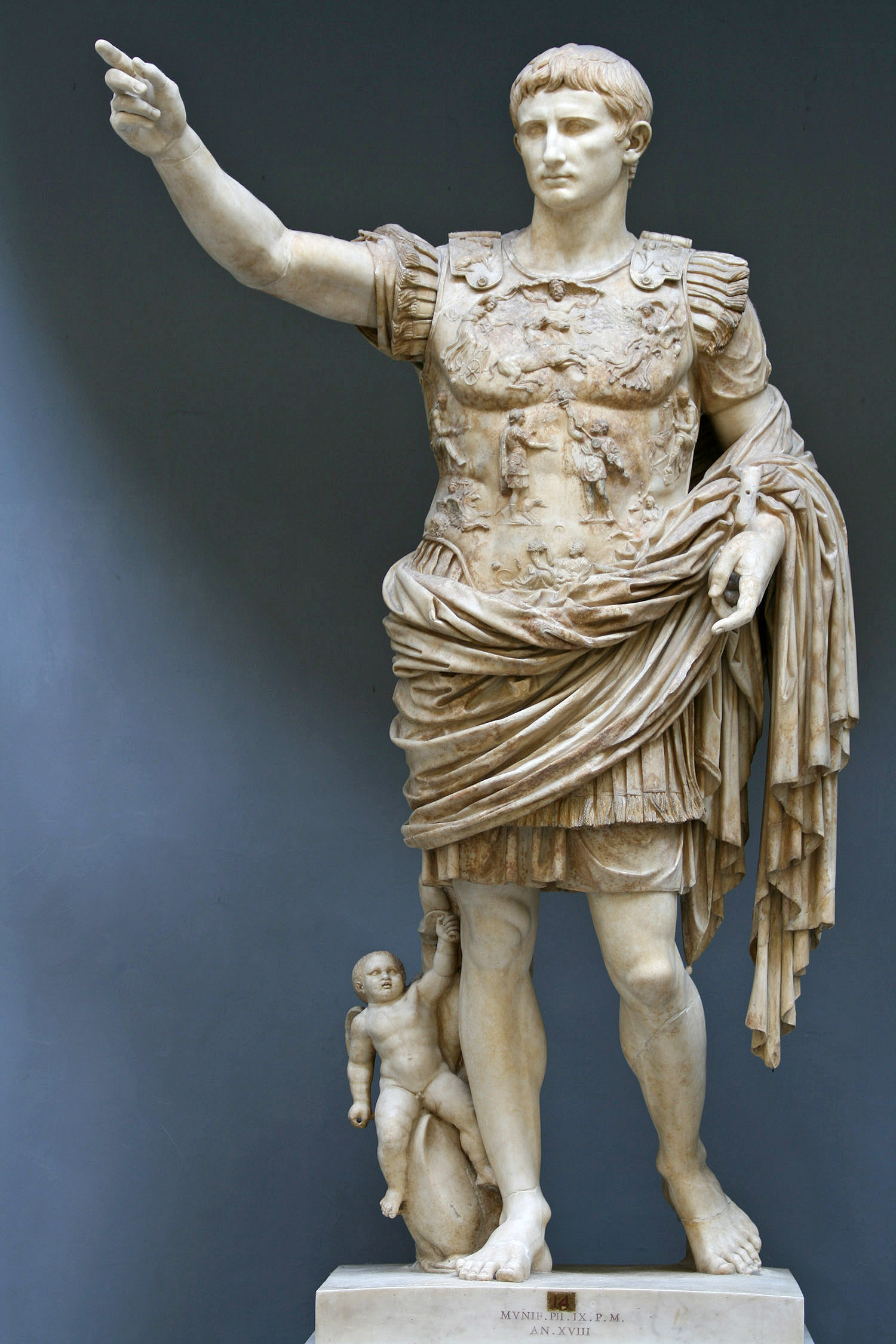
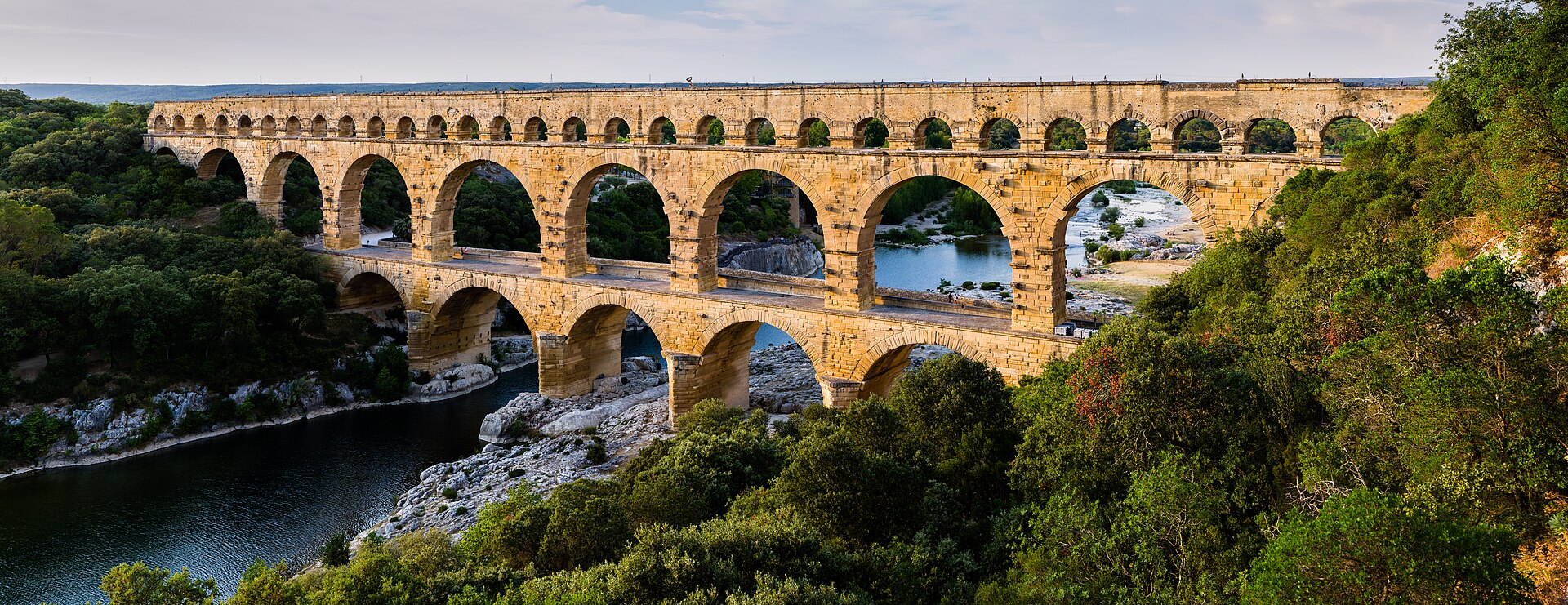
- It left us concrete, aqueducts, and a calendar we still use — the months July and August are named after two dead Roman rulers.
Gallery
Watch
Sources
- Roman Empire from 27 BCE; greatest extent under Trajan ~117 CE Encyclopaedia Britannica
- Romulus Augustulus deposed by Odoacer in 476 CE Wikipedia
- The Western Roman Empire's collapse unfolded gradually through the Migration Period (c. 400–800 CE): military defeats, eroding tax base, and puppet emperors preceded Odoacer's deposition of Romulus Augustulus in 476 World History Encyclopedia
A graveyard tradition: leave a stone to show you came, and remembered.