The steam locomotive is the machine that built the modern world’s nervous system. From Richard Trevithick’s first lurching run on the Penydarren tramroad in 1804, it grew over a century into the engine of industry, empire, and migration — laying down the railways that stitched continents together and set the world’s clocks to a common time.
Its reign ended not in dramatic failure but in quiet accounting. Diesel-electric and electric locomotives were cheaper to run, cleaner, and needed far less maintenance, and from the 1950s the railways switched over with startling speed. The Gulf, Mobile & Ohio became the first big American line to go fully diesel in 1949; British Railways ran its last mainline steam service in 1968 and banned steam the next day. The iron horse that had dragged the world into the future was retired by its own descendants — and promptly became the most lovingly preserved dead technology on Earth.
Worth remembering
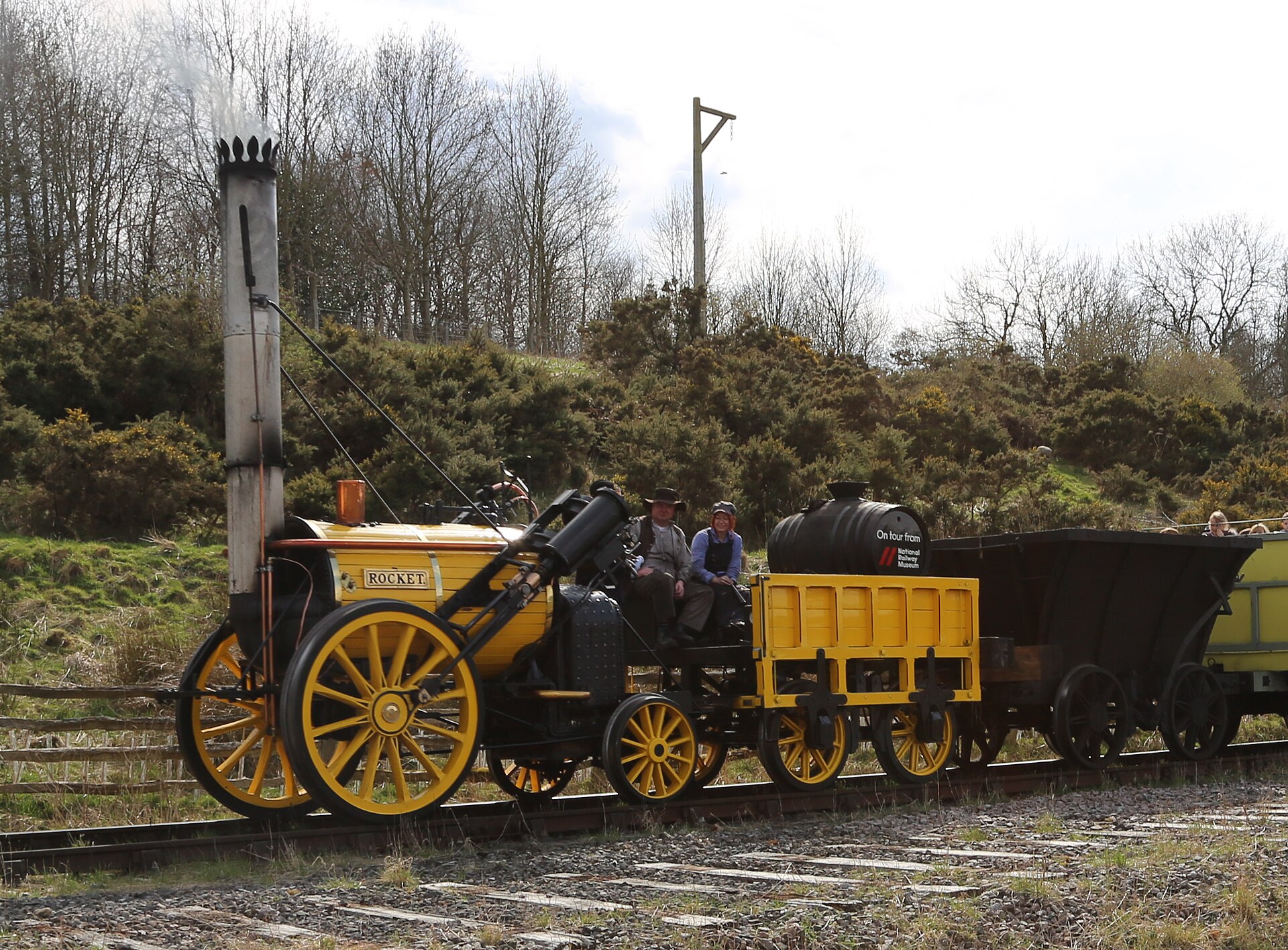
- Stephenson's Rocket won the 1829 Rainhill Trials and set the design every later locomotive copied — boiler, blastpipe, and all.
- Over 160,000 steam locomotives were built in the United States alone between 1830 and 1950 before diesel swept them away in barely a decade.
The people
-
Richard Trevithick — Built the first working railway locomotive, 1771–1833
His 1804 engine was the first to move a load on rails under its own power — at about 2.4 mph.
-
George Stephenson — "Father of Railways", 1781–1848
Built the Rocket and the Liverpool & Manchester Railway, the template every later railway copied.
Gallery
Watch
Further reading
Sources
- First load-hauling steam locomotive 1804 (Trevithick); mainline steam declined to diesel/electric by the 1960s Wikipedia
- British Railways ran its last mainline steam service in 1968 Wikipedia
- Stephenson's Rocket won the 1829 Rainhill Trials at a top speed of 30 mph, establishing the template for all subsequent steam locomotives National Railway Museum
- Between 1935 and 1960, US railroads completely replaced their steam fleets with diesel, with 27,000 diesel locomotives doing the work of 40,000 steam engines Britannica
A graveyard tradition: leave a stone to show you came, and remembered.