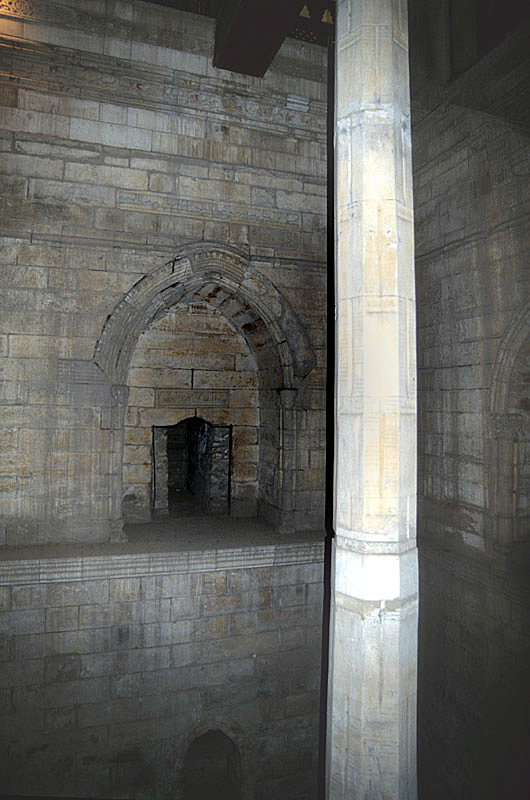
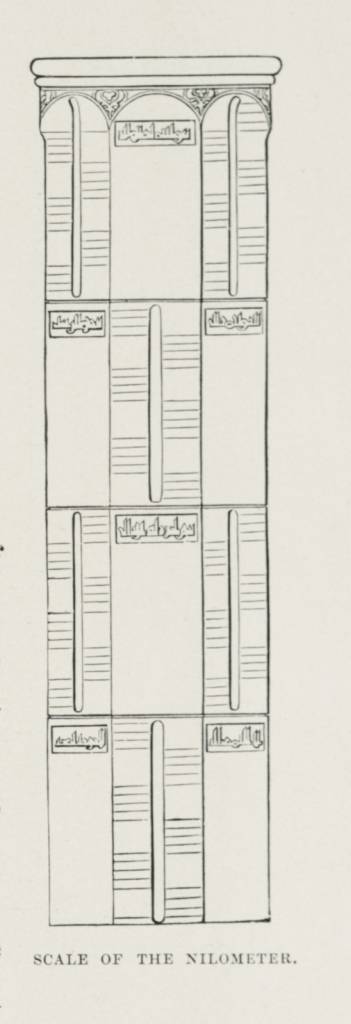
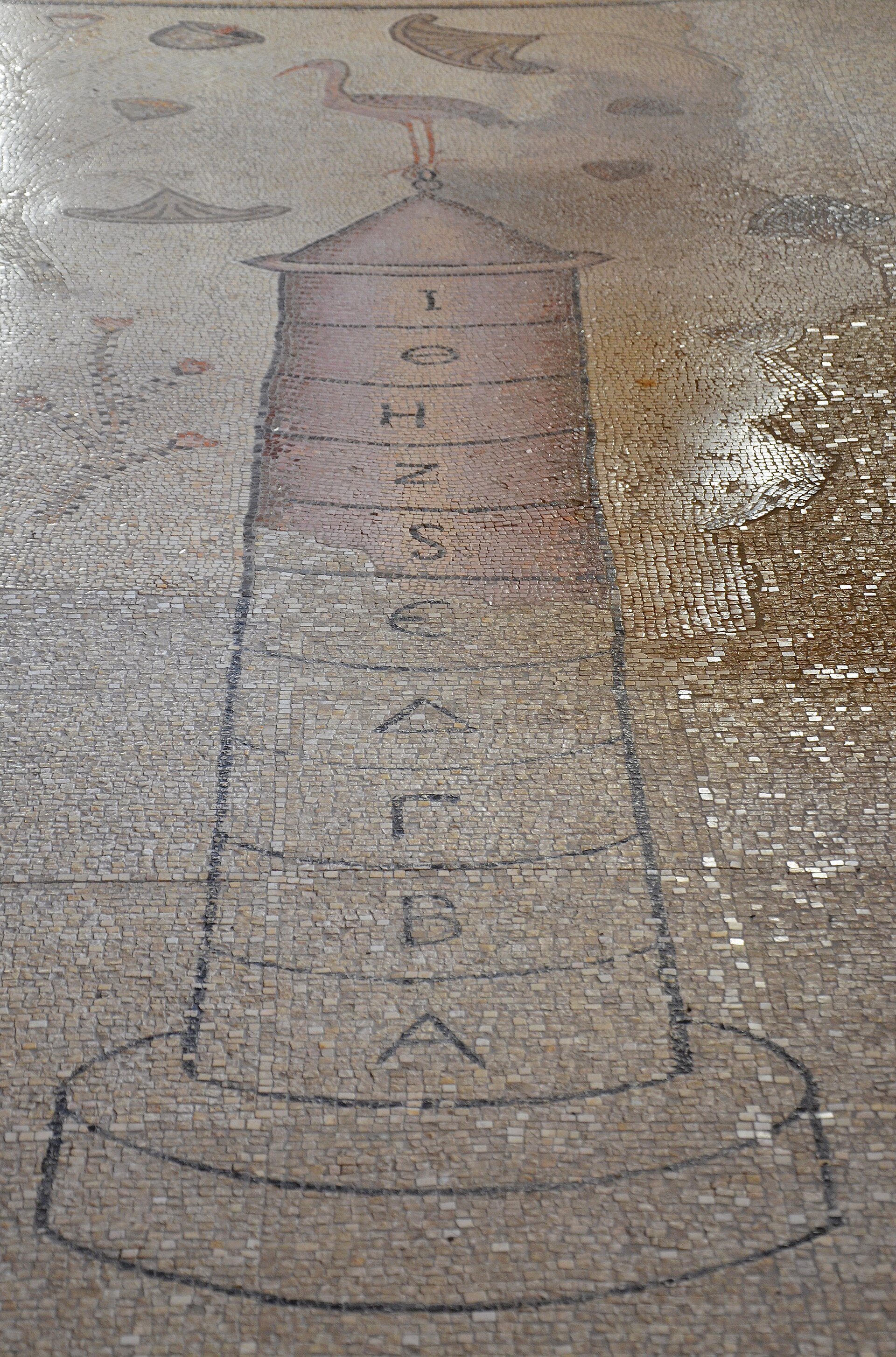
For as long as Egypt was Egypt, everything depended on one number: how high the Nile rose in its annual flood. The nilometer was the instrument that read it — sometimes a staircase descending into the river, sometimes a well linked to it by a culvert, sometimes a graduated column standing in a stone shaft, marked off in cubits. The water climbed the markings each summer, and the height it reached told officials what kind of year it would be. Sixteen cubits at Memphis meant abundance; far below that meant hunger; far above meant the flood would carry away the villages it was supposed to feed. The reading set the taxes before the harvest, and in the temples that housed the earliest nilometers, only priests could take it.
It worked for five thousand years because the flood came every year. Then, in 1970, the Aswan High Dam closed the river’s annual rhythm for good, trading the inundation for steady year-round irrigation and hydroelectric power. The flood that the nilometer existed to measure simply stopped happening. The instruments did not break or burn; they were left with nothing to read. The finest of them, the Rhoda Island column in Cairo — al-Miqyas, built in 861 CE under the Abbasid caliph al-Mutawakkil, an octagonal marble column about 10.5 m tall graduated in cubits — still stands in its shaft in central Cairo, a precise and beautiful gauge for a river that no longer rises.
Worth remembering
- The flood was the whole Egyptian economy: about 16 cubits at Memphis promised a good harvest, below 12 meant famine, above 19 meant ruin — and the figure read off the column set the year's tax assessment before a single field was harvested.
- In pharaonic times the nilometers sat inside temple precincts that only priests and officials could enter, so the class that controlled the reading controlled the forecast — a quiet political power built into a measuring stick.
Gallery
Sources
- Taxes were levied according to how high the Nile rose; the Rhoda Island nilometer (al-Miqyas) in Cairo was built in 861 CE under the Abbasid caliph al-Mutawakkil, with an octagonal marble column about 10.5 m tall graduated in cubits. Museum With No Frontiers — Discover Islamic Art
- The Aswan High Dam, completed in 1970, ended the cycle of annual flood and drought in the Nile valley. History.com
- A flood of about 16 cubits at Memphis was ideal; below roughly 12 cubits foretold famine and above about 19 cubits meant destructive flooding; nilometers became obsolete in 1970 with the completion of the Aswan High Dam. Ancient Origins
A graveyard tradition: leave a stone to show you came, and remembered.