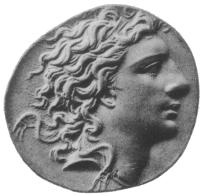
Mithridates VI of Pontus, the king who fought Rome for decades in the 1st century BCE, was obsessed with poison. Ancient sources say he tested antidotes on condemned prisoners and dosed himself with sub-lethal amounts of every known toxin to build immunity. The compound he developed — mithridatium — contained dozens of ingredients and was supposed to neutralise all poisons. When Rome finally defeated him, the formula fell into Roman hands. Pompey brought it back. It was translated and elaborated — notably by Andromachus, physician to Nero, who reworked it into theriac — and became the most prestigious medicine in the Western world.
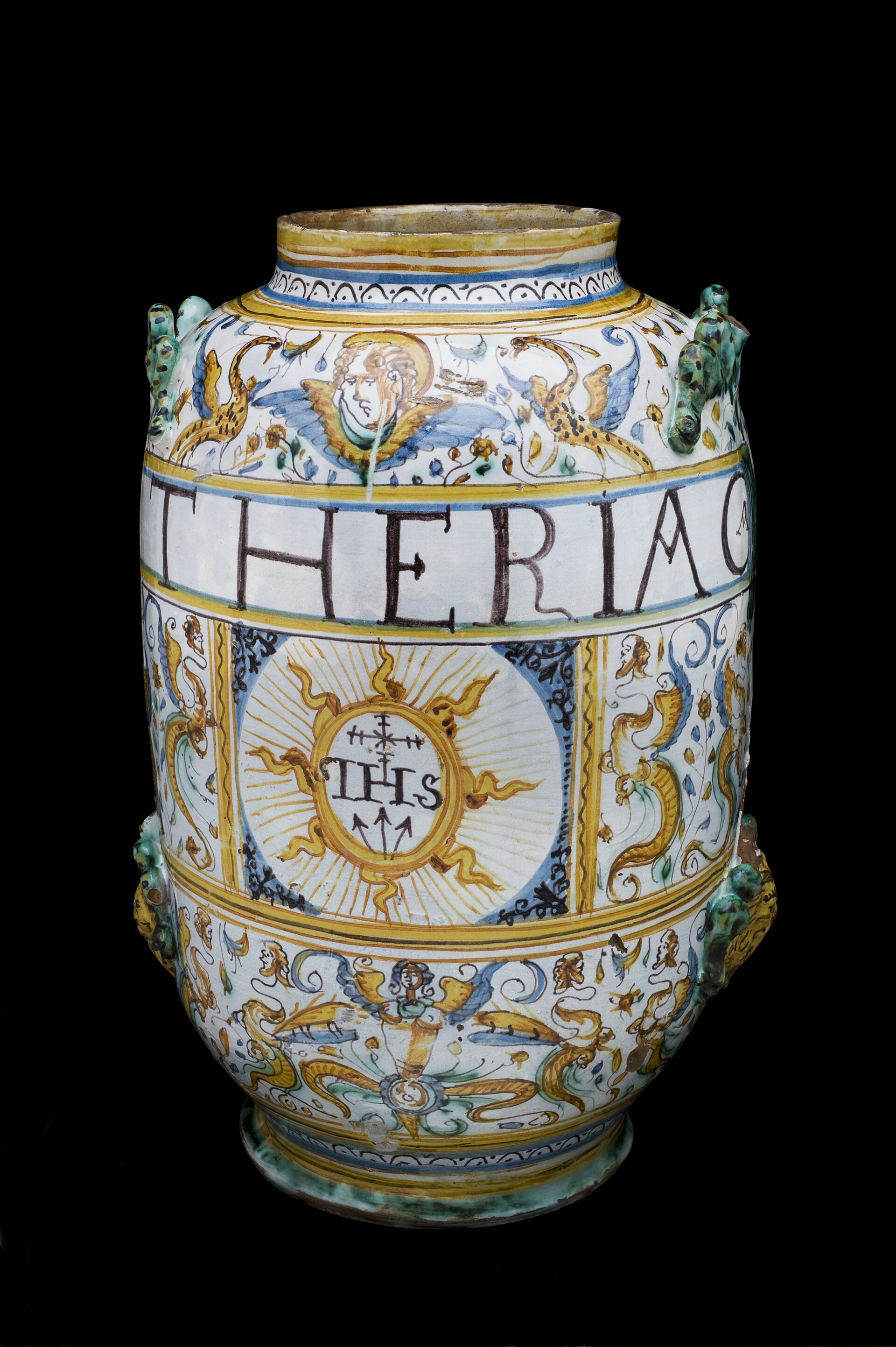
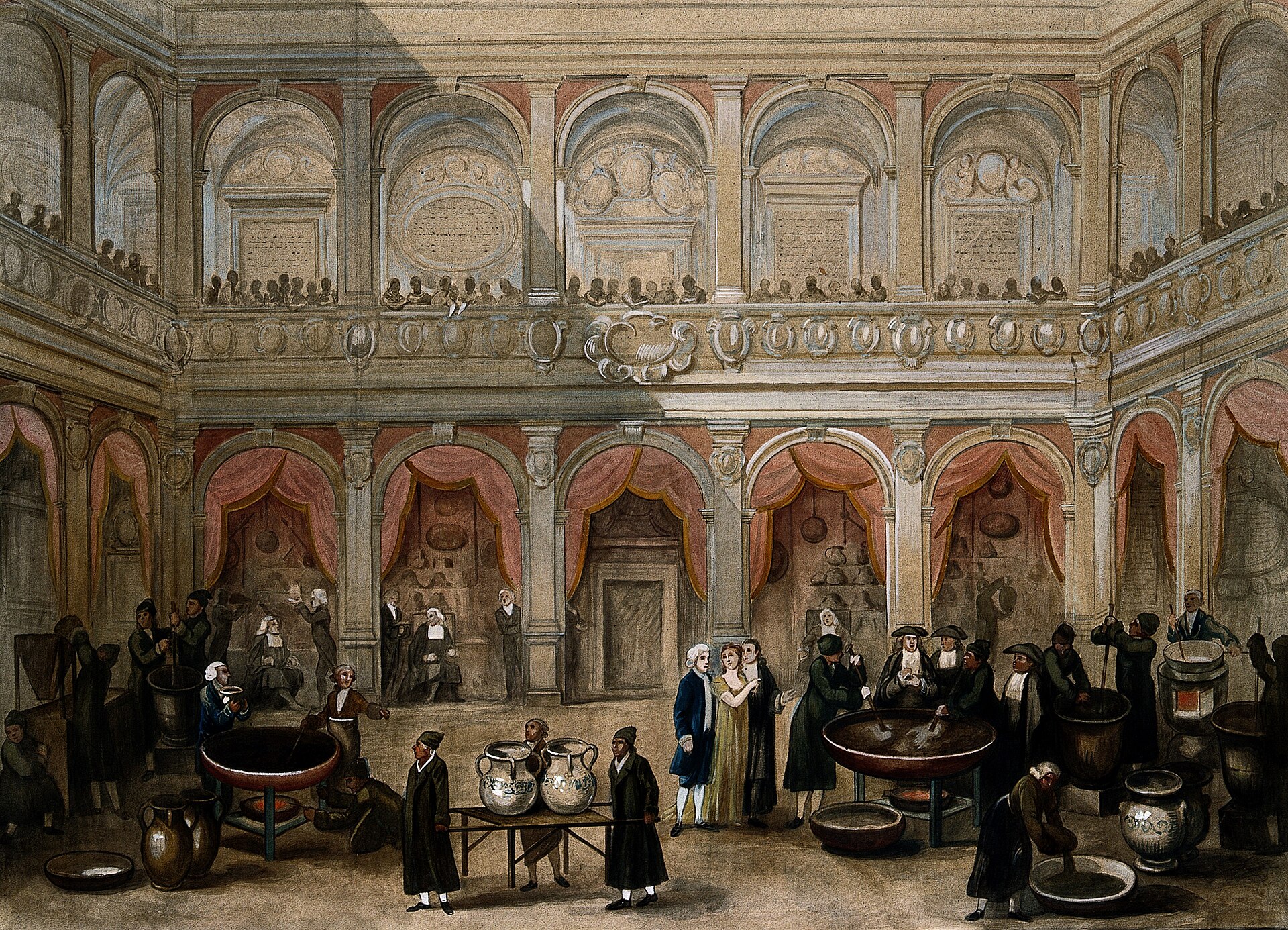
Galen, writing in the 2nd century CE, describes his version — sixty-four ingredients, including the flesh of vipers, opium, castoreum, saffron, and sixty others — and is precise about the sourcing and preparation: the vipers must be caught at the right season, the opium must be tested for strength, the whole must be aged in honey for years before use. He prepared it personally for emperors. The Venetians turned the public preparation into a civic ceremony, with witnesses and official seals, for at least two centuries. The formula spread, was copied, was adulterated, was elaborated.
The Enlightenment ended it. The French Académie de médecine examined theriac in 1745 and found no evidence it did what it claimed. By the 1780s Venice had stopped producing it officially. The pharmacopoeias dropped it. And here is what makes it a genuine lost art: the ingredient lists survive in Galen, in Dioscorides, in hundreds of pharmacopoeias. What does not survive is the preparation knowledge — the specific sequence, the ageing process, the quality judgements that practitioners carried in their hands. And whether the working formula ever actually functioned as an antidote is a question modern pharmacology cannot answer, because nobody alive can make it the way Galen did.
Worth remembering
- Roman emperors took a daily dose as a prophylactic against poisoning; Galen, court physician to Marcus Aurelius, personally prepared it and wrote extensively on its correct formulation, establishing that the viper flesh had to be from snakes caught in spring, between the spring equinox and the rising of Sirius.
- In Venice, the preparation of theriac was a public ceremony: licensed apothecaries mixed the ingredients before witnesses and city officials, the finished product was sealed with official stamps, and it was exported across Europe as the most trusted medicine in the world — a ceremony that continued for over 200 years.
Gallery
Sources
- Mithridate was a complex antidote attributed to Mithridates VI of Pontus; it contained dozens of ingredients including opium and viper flesh; the compound was used for centuries as a universal antidote and panacea before being dismissed by Enlightenment medicine Wikipedia
- Theriac was a compound antidote manufactured and used for roughly 1,800 years; Galen's theriac included 64 ingredients; it was prepared publicly and ceremonially in Venice into the 18th century; its abandonment came from Enlightenment scepticism, not a positive replacement Wikipedia
A graveyard tradition: leave a stone to show you came, and remembered.