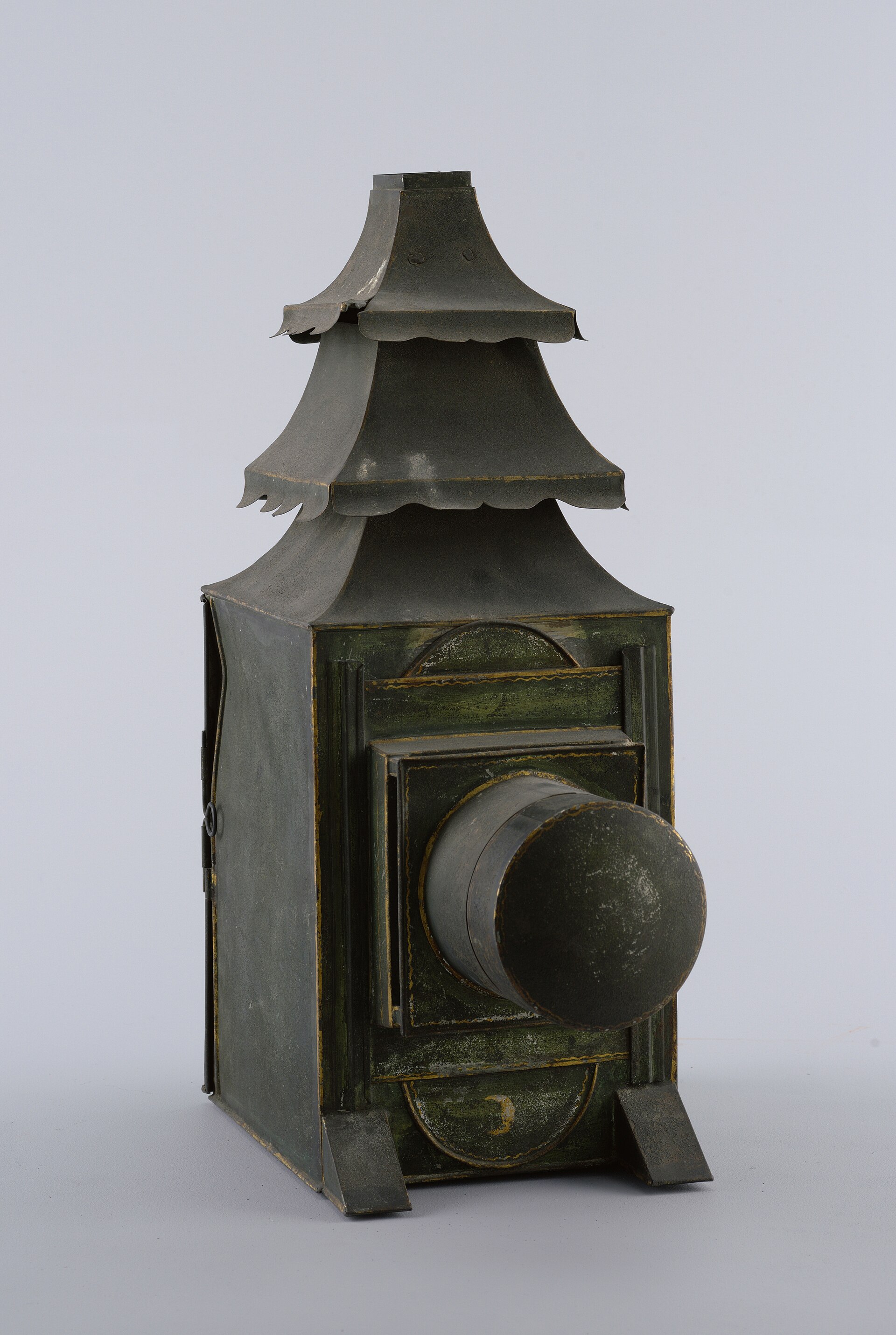
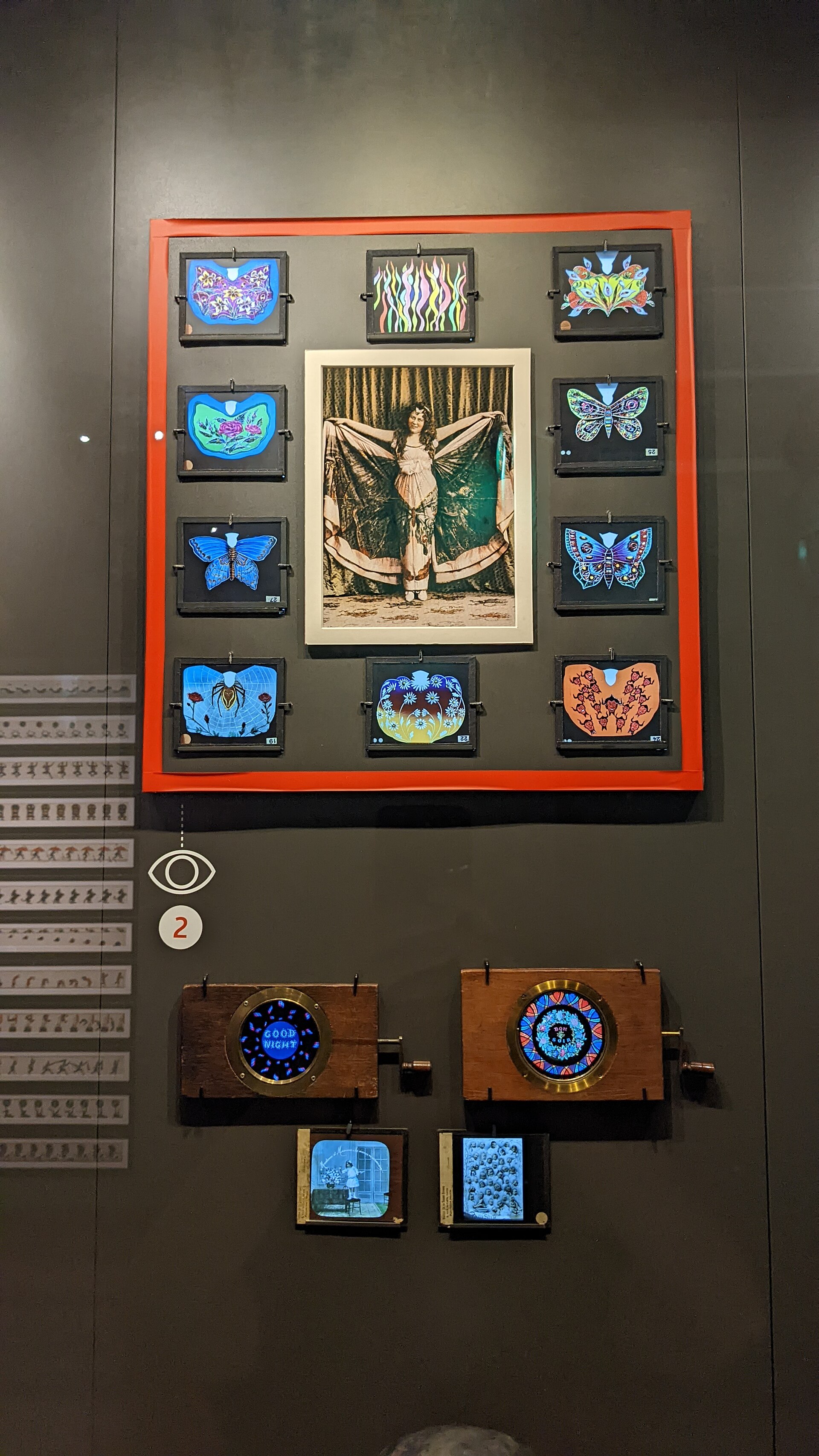
The magic lantern (laterna magica) was the way people saw projected pictures for more than two hundred years before cinema — a working lantern existed by 1659 in the hands of Christiaan Huygens. The principle, worked out by the 1660s, never really changed: a bright light source, a painted or later photographic glass slide, and a lens to throw an enlarged image onto a wall or screen. What changed was what people did with it. Travelling showmen and lecturers used it for everything — illustrated talks, travel “views,” religious and temperance sermons, scientific demonstrations, and spectacle. With a pair of lanterns carefully aligned, an operator could cross-fade one slide into another in a “dissolving view,” and with hand-painted mechanical slides he could make figures move; the darkened room, the sequence of images, the dissolve, are all things cinema would inherit directly.
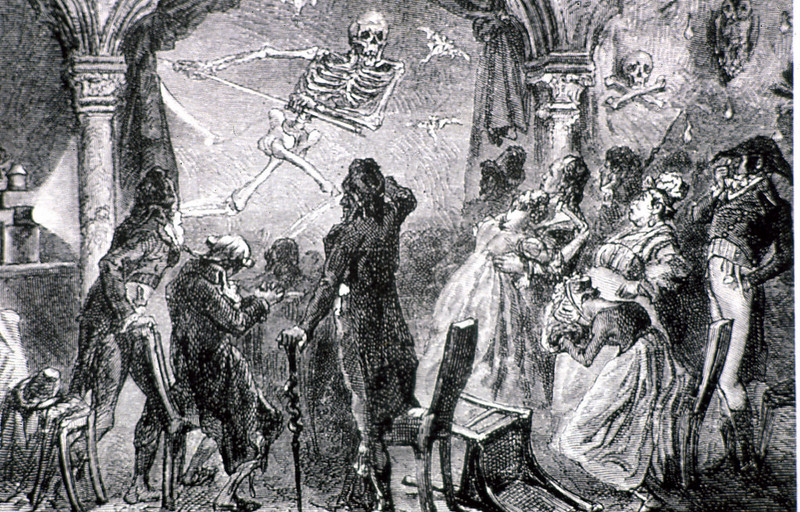
At its most ambitious it was genuinely frightening. In the 1790s the Belgian showman Robertson staged phantasmagoria in a disused Paris chapel, projecting ghosts and demons from a lantern mounted on wheels so the images seemed to rush at the audience, backed by eerie music and sound effects — some spectators believed they were seeing the real dead. By the 1880s, lantern shows were an industry, with dozens of firms making lanterns and slides. Then the thing it had been rehearsing for arrived: the Lumière brothers’ Cinématographe premiered in 1895, and moving photographic pictures simply outclassed the painted slide. Cinema took the public audience, the electric slide projector took the lecture halls and classrooms, and the magic lantern faded out of mainstream use by the 1920s — kept alive now only by a small society of collectors who still put on the shows.
Worth remembering
- It was the direct ancestor of cinema: a lamp, a painted or photographic glass slide, and a lens throwing the image onto a screen — and with two lanterns aligned, a showman could 'dissolve' one view into the next, the same effect film would later borrow.
- From the 1790s the showman Robertson ran phantasmagoria shows in a darkened Paris chapel, zooming ghosts and skeletons at a screaming audience on a wheeled lantern, with glass-harmonica music and thunder effects — horror cinema a century before film.
Gallery
Sources
- The magic lantern was superseded as a mass medium by cinema (from 1895) and then by the electric slide projector; lantern-slide manufacture lingered into the 1940s for schools and churches Museum of Obsolete Media
- Over thirty lantern and slide firms operated in London in the 1880s–90s; the Lumière Cinématographe premiered on 28 December 1895 and began displacing the lantern as public entertainment The Magic Lantern Society
A graveyard tradition: leave a stone to show you came, and remembered.