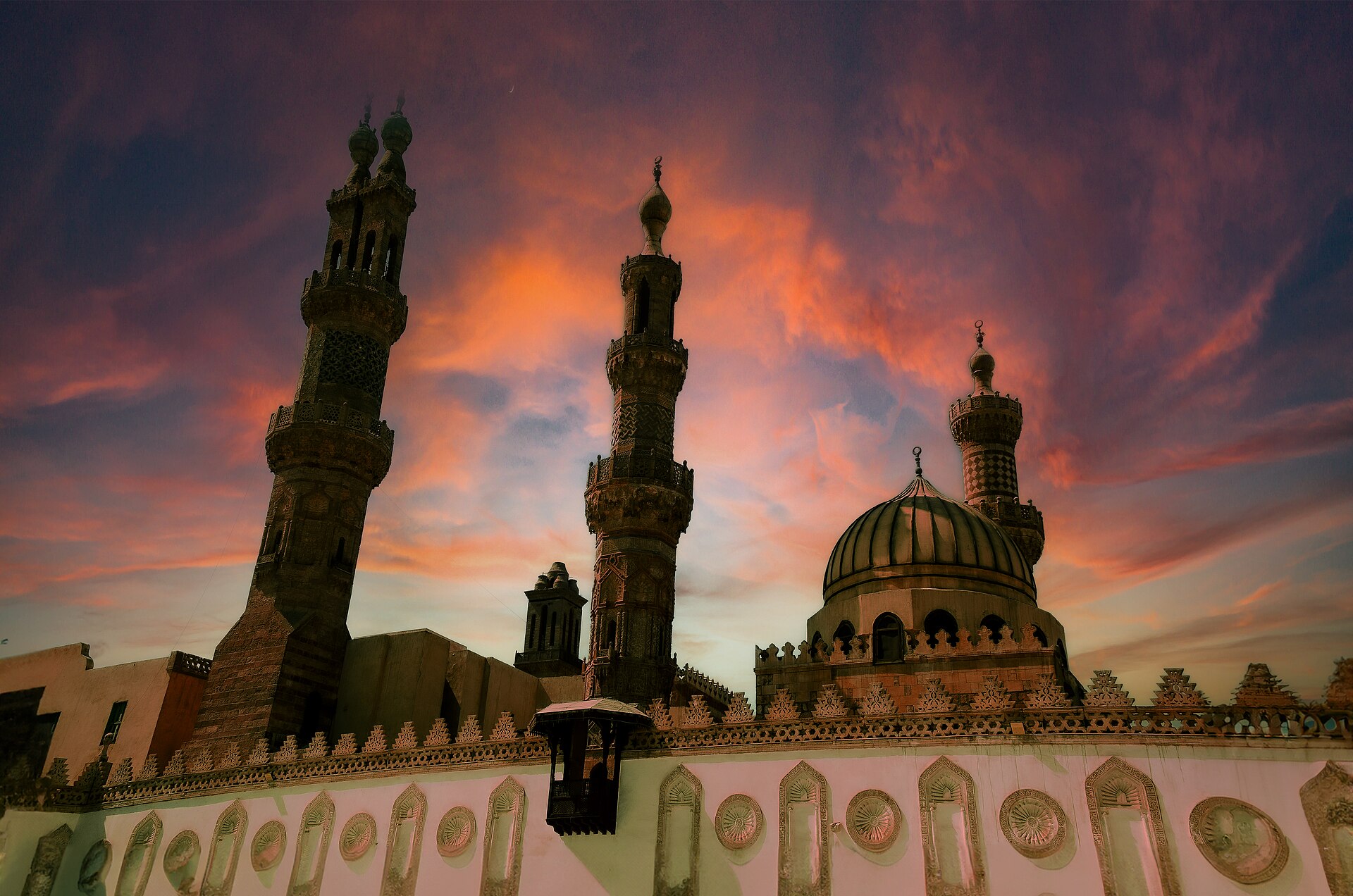
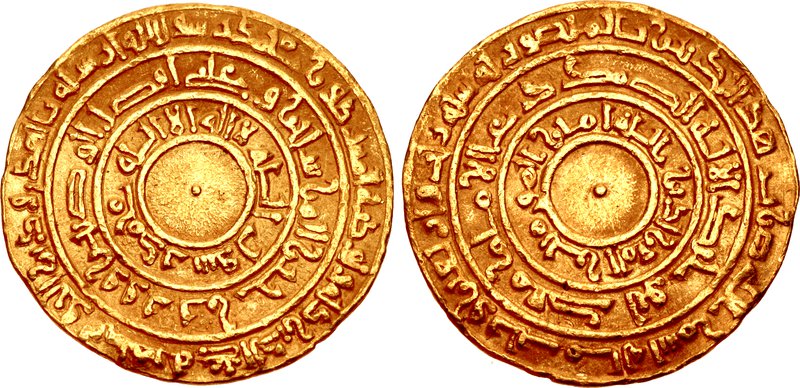
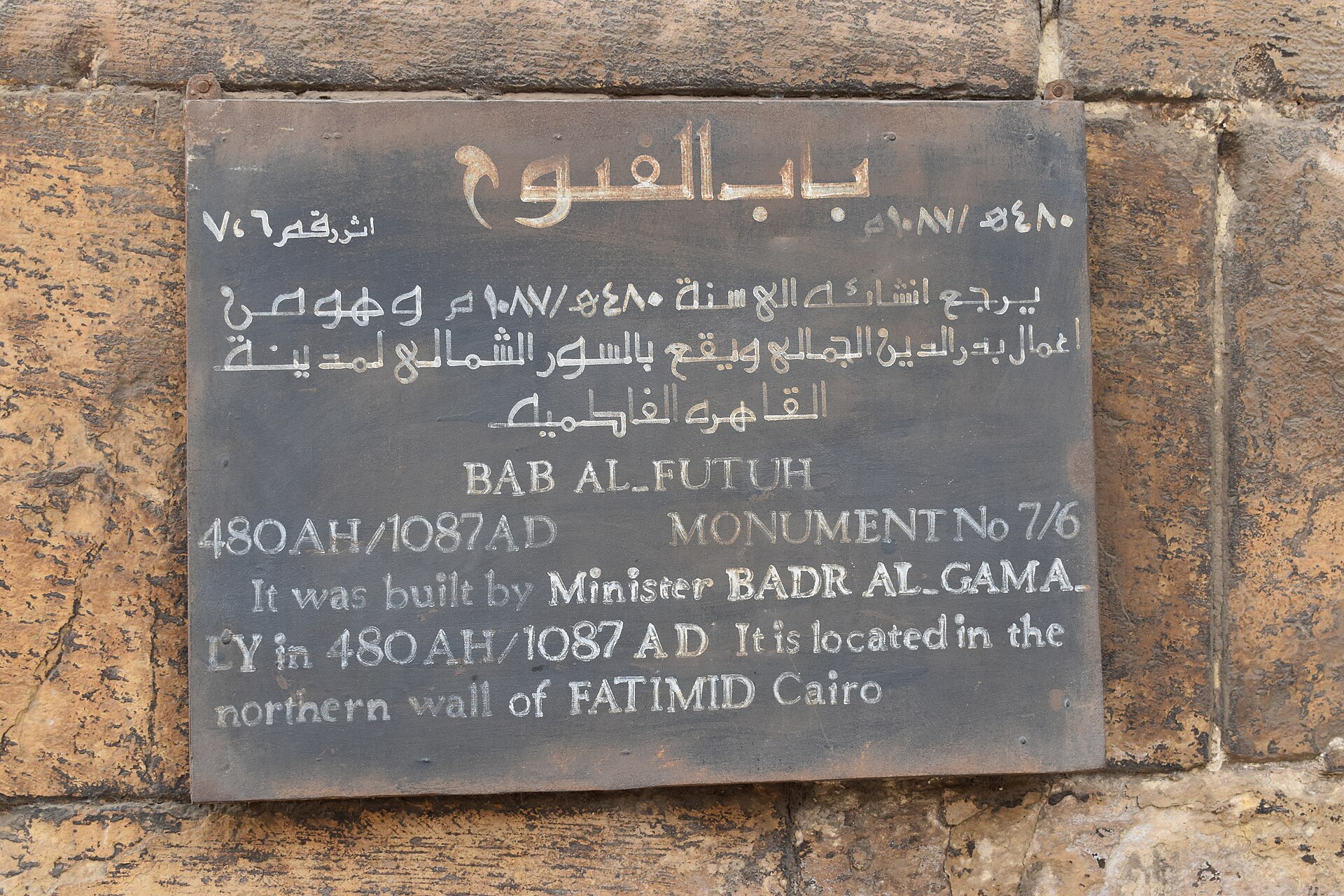
For 262 years a Shia dynasty ruled from North Africa to the Red Sea and called itself the rightful leadership of all Islam. The Fatimids took their name from Fatimah, the Prophet’s daughter, and claimed descent from her; they led the Isma’ili branch of Shi’i Islam and set themselves against the Sunni Abbasid caliphs in Baghdad. Their imam emerged from hiding in 909 and proclaimed himself caliph in Ifriqiya, modern Tunisia. The conquest of Egypt in 969 gave them their capital: they laid out the walled city of al-Qahira, Cairo, and built al-Azhar as its assembly mosque around 970 to 972. Egypt grew rich as the broker between the Mediterranean and Indian Ocean trade — spices, silk, ivory, gold from Nubian mines — and the Fatimid treasuries filled with rock crystal, lustre ceramics, and gold dinars that still sit in museums from the Met to the Treasury of San Marco.
The dynasty weakened through the 12th century, and a series of invasions ended in 1169 with a Syrian army occupying Egypt. One of its commanders, Saladin, was appointed Fatimid vizier. Two years later he restored Egypt to Abbasid allegiance, abolished the Fatimid caliphate, and founded the Sunni Ayyubid dynasty; the last Fatimid caliph died in 1171. The Isma’ili Shia caliphate was gone, with no continuation. Cairo and al-Azhar did not vanish with it — the city the Fatimids walled remains Egypt’s capital, and al-Azhar still teaches, now as a centre of Sunni rather than Isma’ili scholarship. The buildings outlived the dynasty that raised them. The caliphate itself ended.
Worth remembering
- Founded the walled city of al-Qahira (Cairo) after conquering Egypt in 969, and built al-Azhar as its congregational mosque (about 970–972), which grew into one of the world's foremost centres of Islamic learning.
- Claimed descent from Fatimah, the Prophet's daughter, and led the Isma'ili branch of Shi'i Islam as a rival caliphate dedicated to overthrowing the Sunni Abbasid order across the Islamic world.
Gallery
Sources
- The Fatimid dynasty dominated an empire in North Africa and the Middle East from 909 to 1171 CE; it took its name from Fatimah, daughter of the Prophet Muhammad, from whom the Fatimids claimed descent, and led the Isma'ili sect of Shi'i Islam against the existing order. In 909 their imam proclaimed himself caliph; the conquest of Egypt in 969 occasioned the building of a new capital, Cairo. Saladin restored Egypt to Abbasid allegiance, abolished the Fatimid caliphate, and established the Ayyubid dynasty; the last caliph died in 1171. Encyclopaedia Britannica
- Al-Azhar was originally built as a jami', or assembly mosque, for the newly formed capital of Cairo by a general of the Shi'i (Isma'ili) Fatimid dynasty; the university was founded about 972 CE. It is today a chief centre of Islamic and Arabic learning in the world. Encyclopaedia Britannica
- The Fatimid Caliphate (909–1171 CE) at its peak ruled vast stretches from North Africa to the Hejaz, Levant, and parts of Syria. In 1171 Saladin abolished the Fatimid Caliphate; he became the sole sovereign of Egypt, which was brought under the suzerainty of the Sunni Abbasid Caliphate. World History Encyclopedia
- Rock-crystal carving reached its peak during the Fatimid period, when large quantities of raw material were imported to Cairo; Egypt enjoyed enormous prosperity primarily due to its intermediary role in the trade between the Mediterranean and India, with spices, silks, metals, ivory, and furs traded at Cairo among merchants from Byzantium, the Italian city-states, Africa, and India. The Metropolitan Museum of Art
A graveyard tradition: leave a stone to show you came, and remembered.