Launched in 1978 as DiscoVision, the vinyl-sized optical disc gave cinephiles the best home picture for two decades but never topped 2% of U.S. households before the DVD buried it.
Born
1978 CE
Died
2001 CE
Lived
23 years
Dead for
25 yrs
At its peak
Reached only about 2% of U.S. households at its peak
Cause of death
Replaced
Replaced by
The DVD
The Obituary
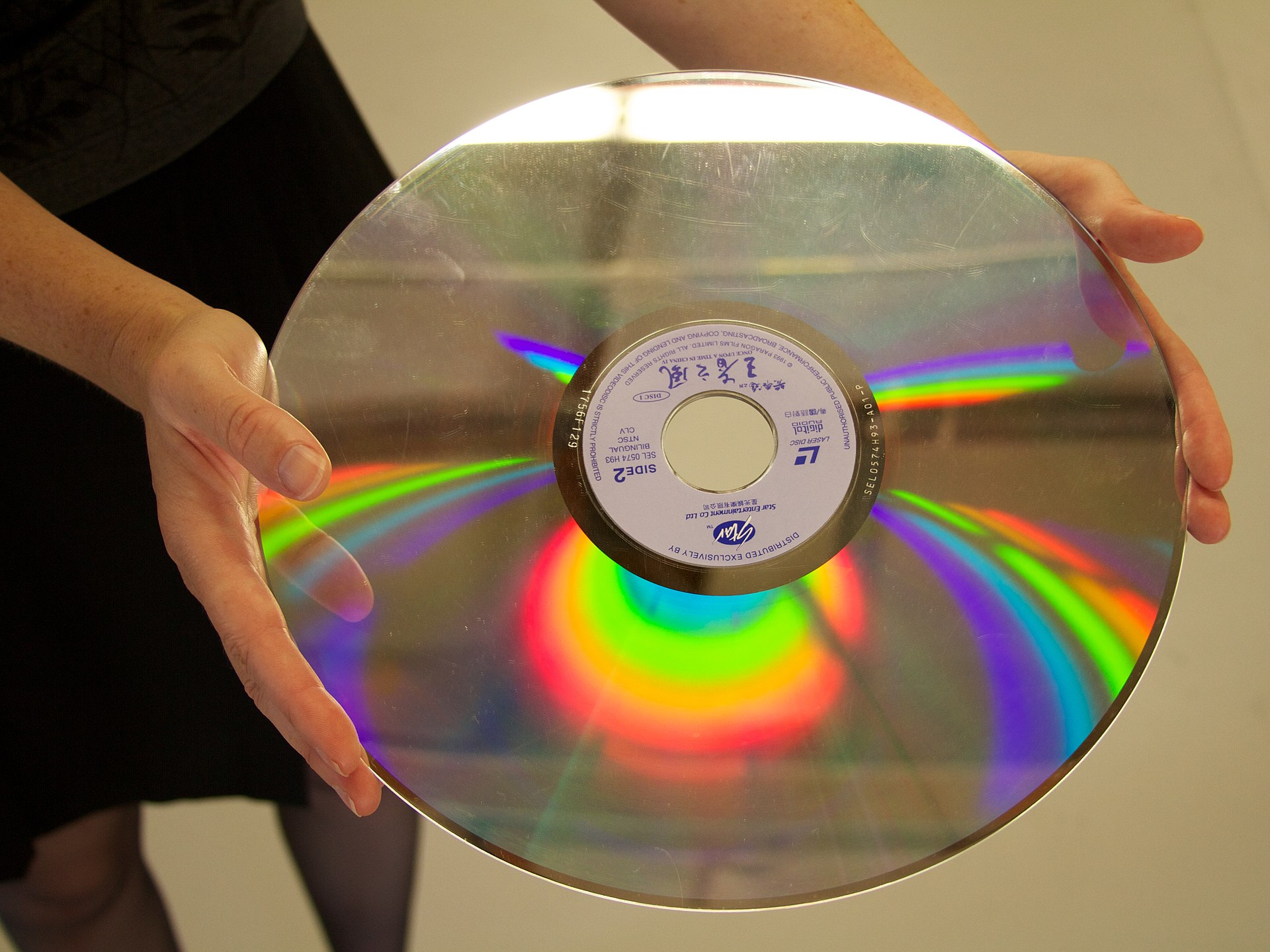
LaserDisc, launched in 1978 as DiscoVision, was the first commercial optical video disc and offered sharper picture and better sound than VHS for two decades; Philips sold the first player, the Magnavox VH-8000, in the U.S. that year for $749. The discs were the size of an LP record, were read by a laser rather than a needle, and usually had to be flipped partway through a film. It stayed a niche enthusiast format, never topping about 2% of U.S. households, partly because it could not record and the discs were expensive. The DVD, smaller and cheaper with the same optical quality, ended it; the last titles appeared around 2001.
Worth remembering
Discs were 30 cm across, like an LP, and most could hold only about 30-60 minutes per side.
Audio commentary tracks and special-edition packaging started here, beloved by film collectors.
Gallery
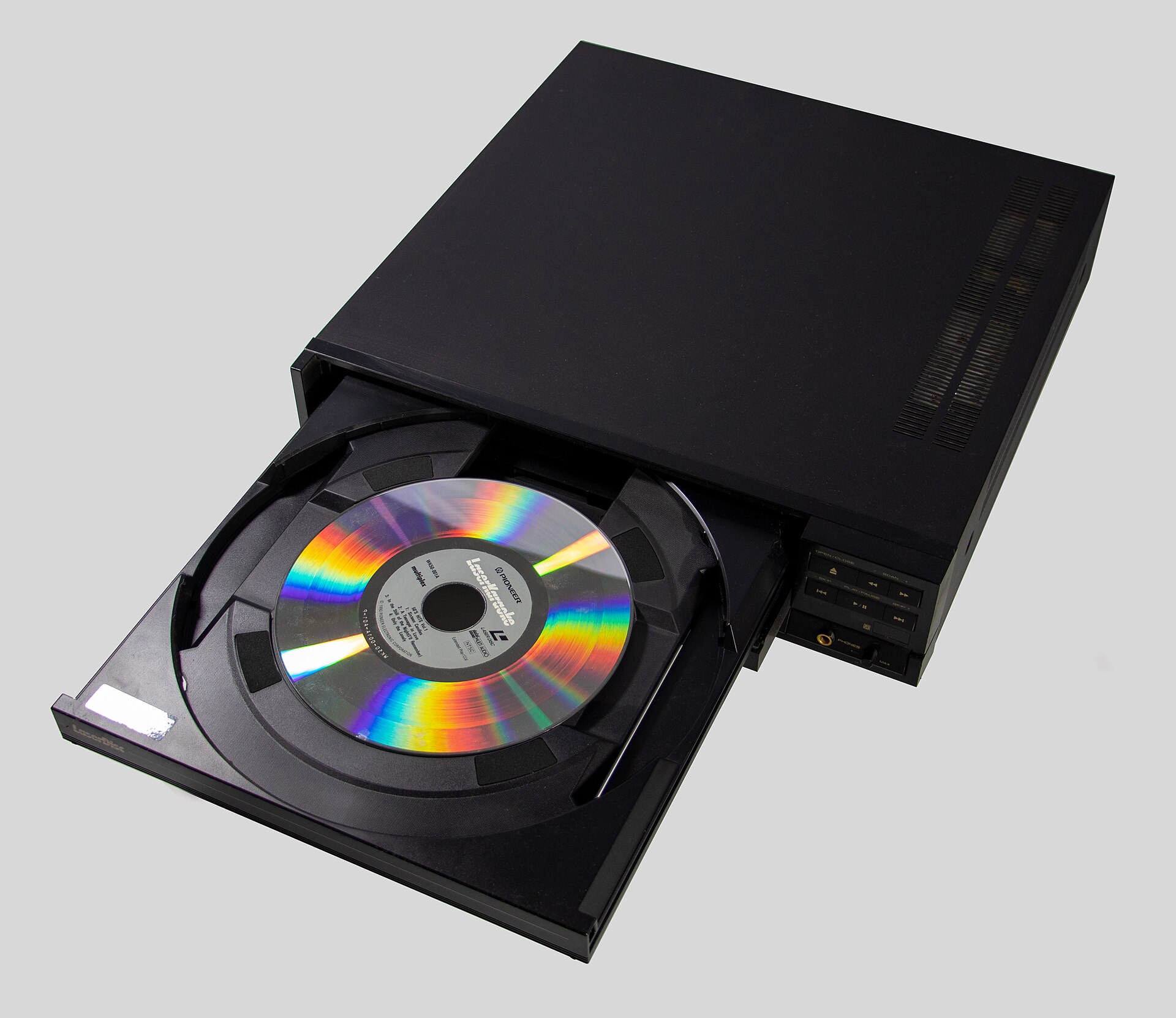
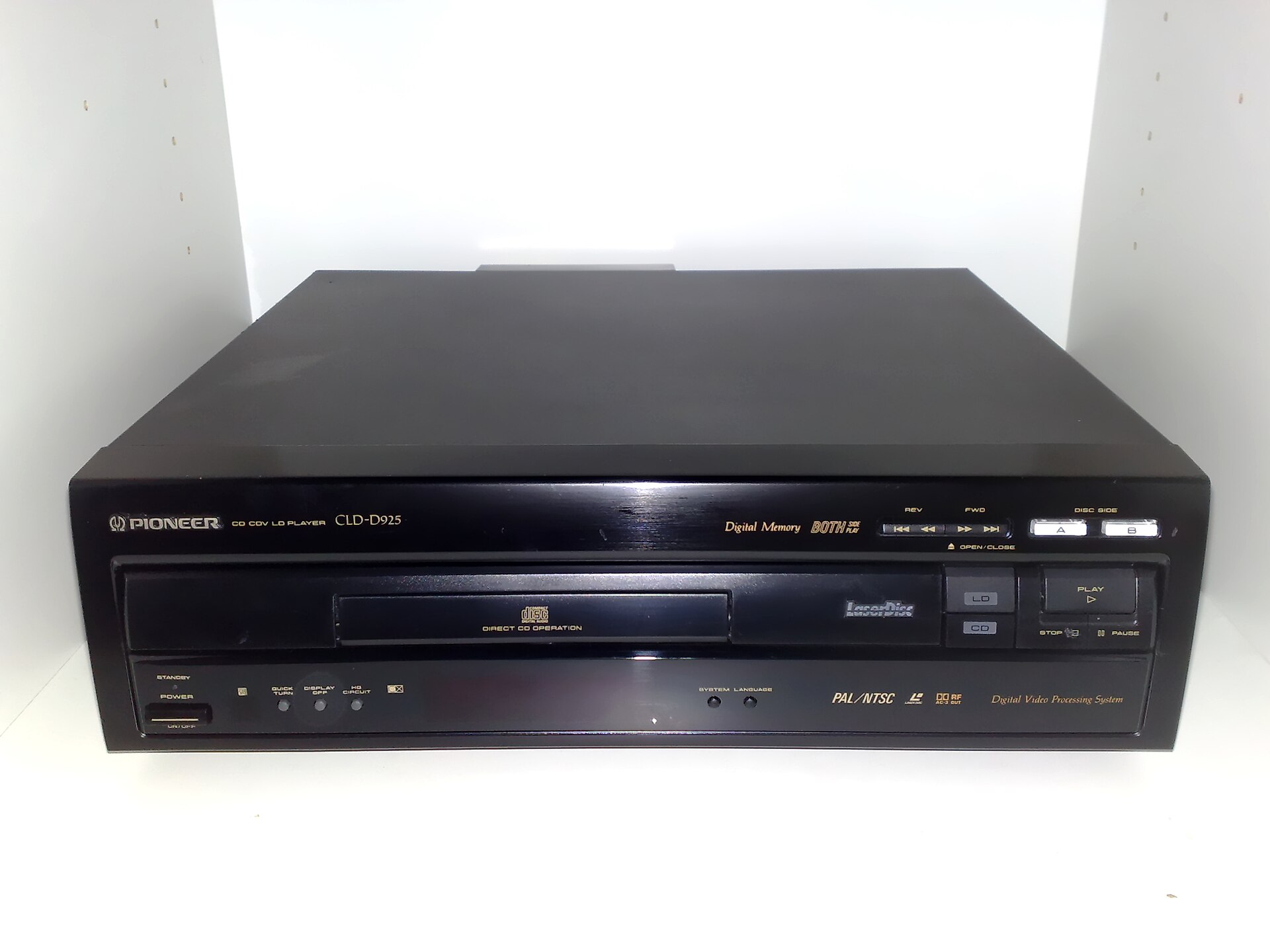
Pioneer CLD-1030 LaserDisc player with open tray and disc loadedDillan Payne (PascalHD) · CC BY-SA 4.0Pioneer CLD-D925 LaserDisc playerHoikka1 · CC BY-SA 3.0
Watch
LaserDisc's failure: what went wrong — Technology Connections
Sources
LaserDisc launched commercially in 1978 as DiscoVision and offered superior video quality Wikipedia
LaserDisc never exceeded ~2% of U.S. households and was superseded by DVD Britannica
Philips introduced the first commercial LaserDisc player (the Magnavox VH-8000) in the U.S. in 1978 for $749; despite superior picture and sound it never displaced VHS. Computer History Museum
A graveyard tradition: leave a stone to show you came, and remembered.
Buried nearby — by shared fate or a neighbouring lifespan.