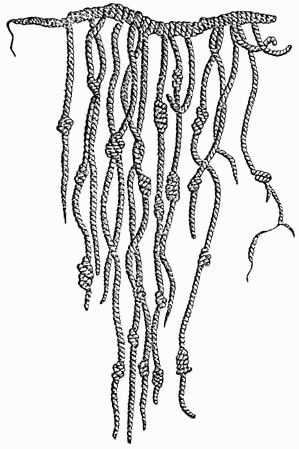
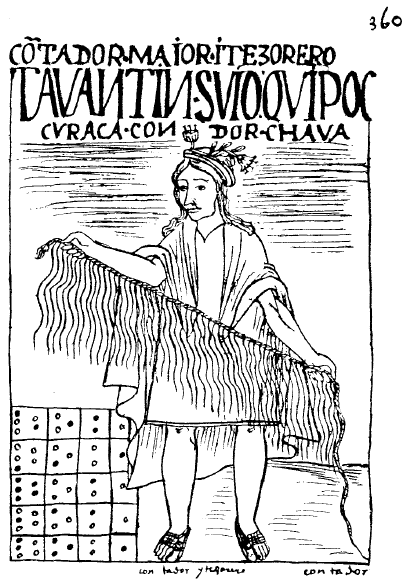
The Inca Empire administered four million square kilometres, four million people, and one of the most sophisticated tax and logistics systems in pre-modern history — without phonetic writing. Everything was encoded in khipu: bundles of coloured, knotted cords in which the arrangement of knots, the twist of the strings, the sequence of colours, and the position of subsidiary cords all carried meaning. The professionals who could read them — khipukamayuq — trained for years. Each provincial capital maintained khipu archives. Messages were relayed across the empire by runners carrying knotted strings.
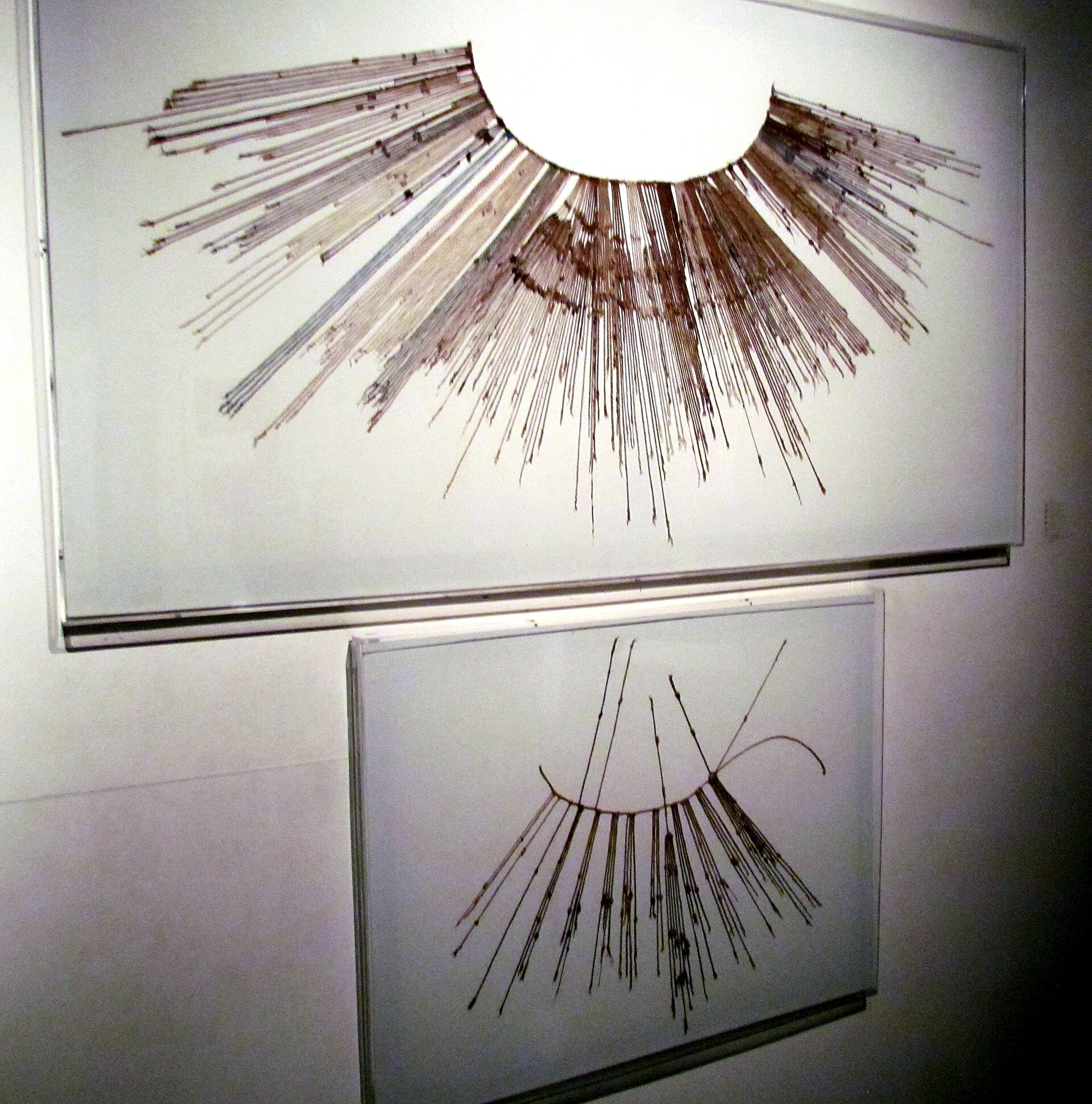
The Spanish destroyed them systematically. The Third Council of Lima in 1583 declared khipu idolatrous and ordered them burned. The destruction was thorough but not complete: roughly 900 khipu survive in collections worldwide. The problem is that the professionals who could read them did not survive the colonial disruption. Within a generation of the 1583 decree, the trained khipukamayuq were dead or had stopped practising. The knowledge they carried — the reading tradition itself — was severed.
Modern scholars have decoded the accounting khipu: they can read census numbers, tribute tallies, and mathematical records from the surviving strings. What they cannot read is the narrative khipu — the objects that Spanish chroniclers described as encoding history and stories. These remain completely mute. There is no bilingual inscription, no Rosetta Stone, no surviving community of readers, and no scholarly consensus on how narrative encoding worked. About 900 objects in museum drawers carry, possibly, the histories of an entire civilisation. Nobody alive knows how to open them.
Worth remembering
- The Inca Empire ran without a phonetic writing system; everything — census data, tax records, the history of the empire, astronomical observations, and possibly narrative literature — was encoded in the arrangement, colour, twist direction, and type of knots on hanging cords that a trained khipukamayuq could read by touch, in the dark, by running the strings through their fingers.
- Spanish chroniclers who observed khipu readers in the early colonial period reported that a single khipu could contain the history of an entire province over multiple generations — information that a reader recited from the cords as fluently as text from a page, producing detailed oral accounts that astonished European observers.
Gallery
Sources
- Khipu were knotted-cord devices used by the Inca for record-keeping; the Third Council of Lima in 1583 ordered their destruction as idolatrous; approximately 900 khipu survive in museums; the accounting and numeric system has been partially decoded, but narrative or literary khipu remain undeciphered Wikipedia
- The Inca khipu system could encode complex administrative data; Spanish colonial suppression eliminated the professional readers (khipukamayuq) within a generation; no bilingual key to narrative khipu exists and none of the narrative content has been read Encyclopaedia Britannica
A graveyard tradition: leave a stone to show you came, and remembered.