The browser that came free with Windows in 1995, buried Netscape, ruled the web for a decade at ~95% share, then became the punchline it could not outrun.
Born
1995 CE
Died
2022 CE
Lived
27 years
Dead for
4 yrs
At its peak
~95% browser usage share at 2002-2003 peak
Cause of death
Replaced
Replaced by
Microsoft Edge
The Obituary
Internet Explorer won the first browser war by the simple tactic of being free and pre-installed on every copy of Windows. Released in 1995, it buried Netscape and by 2003 ran on about 95% of the world’s computers, a grip so total it drew a US antitrust suit. Then Microsoft stopped innovating. IE6 lingered for years, riddled with security flaws and broken standards, while Firefox and Chrome raced past it. Mocked as slow and unsafe, it survived mainly as the tool people used to download a better browser. Microsoft retired the desktop app on June 15, 2022, replacing it with Edge.
Worth remembering
At its 2002-2003 peak IE held roughly 95% of the browser market.
Its dominance triggered the United States v. Microsoft antitrust case over bundling.
Gallery
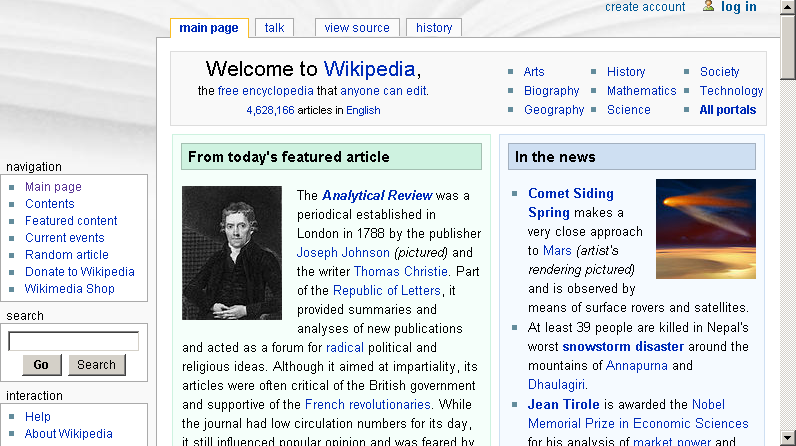
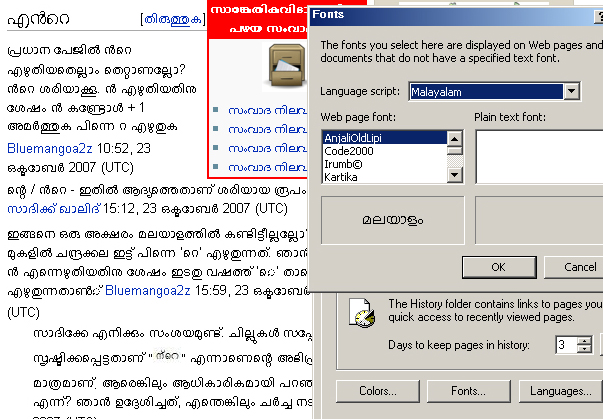
Internet Explorer 6 on Windows XP displaying the Wikipedia home pageMardus · CC BY-SA 4.0Internet Explorer 6.0 browser window running on Windows 2000Sadik Khalid · CC BY-SA 4.0
Sources
Internet Explorer launched 1995; retired June 15, 2022 Wikipedia
IE peaked at around 95% usage share in 2002-2003 Wikipedia
Internet Explorer launched in 1995 and was bundled free with Windows 95, a move that triggered a U.S. antitrust action but helped it overtake Netscape. Computer History Museum
Microsoft retired Internet Explorer on 15 June 2022 after 27 years; at its early-2000s peak it held over 90% of the browser market before Chrome and Firefox eroded it. NPR
A graveyard tradition: leave a stone to show you came, and remembered.
Buried nearby — by shared fate or a neighbouring lifespan.