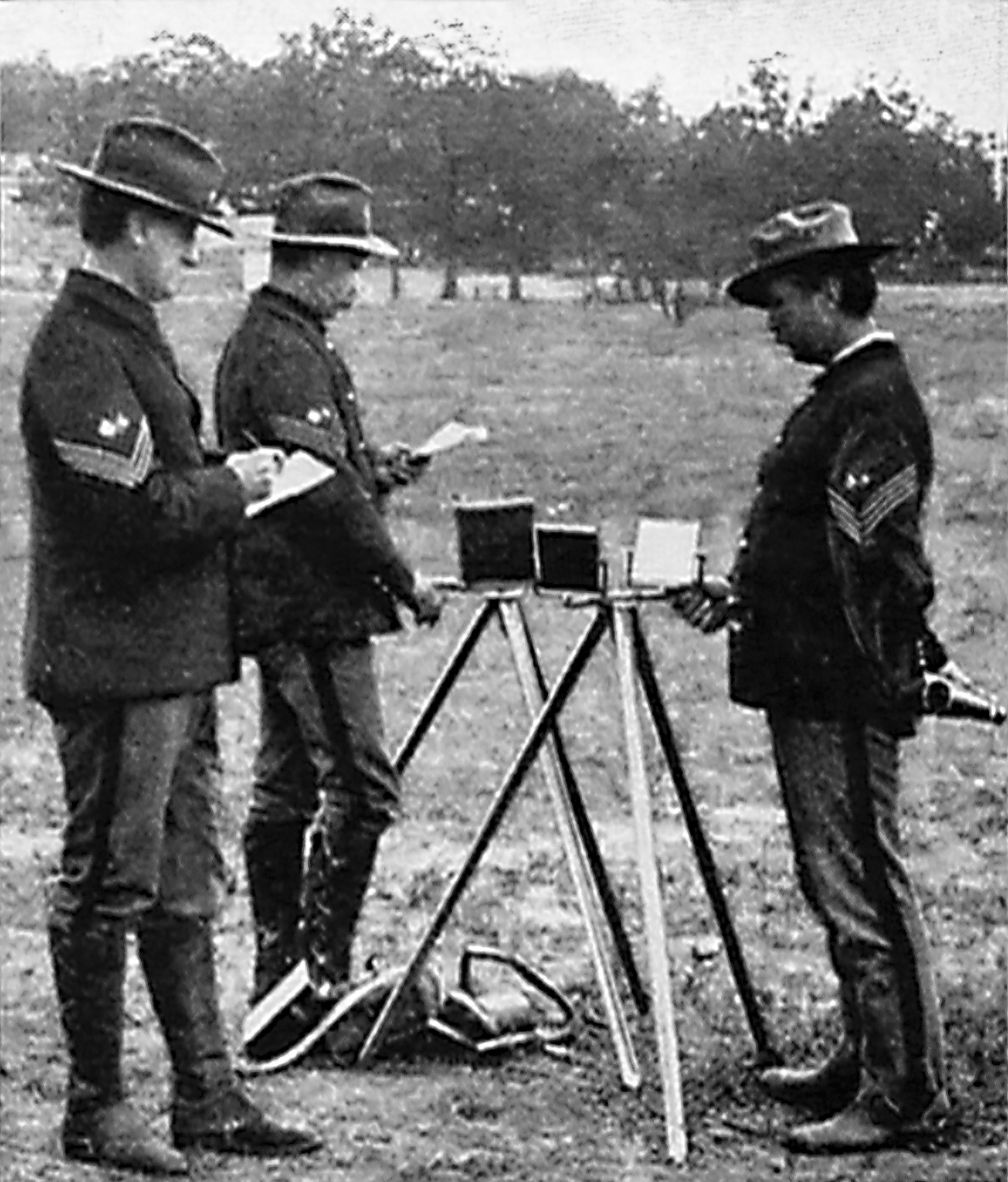
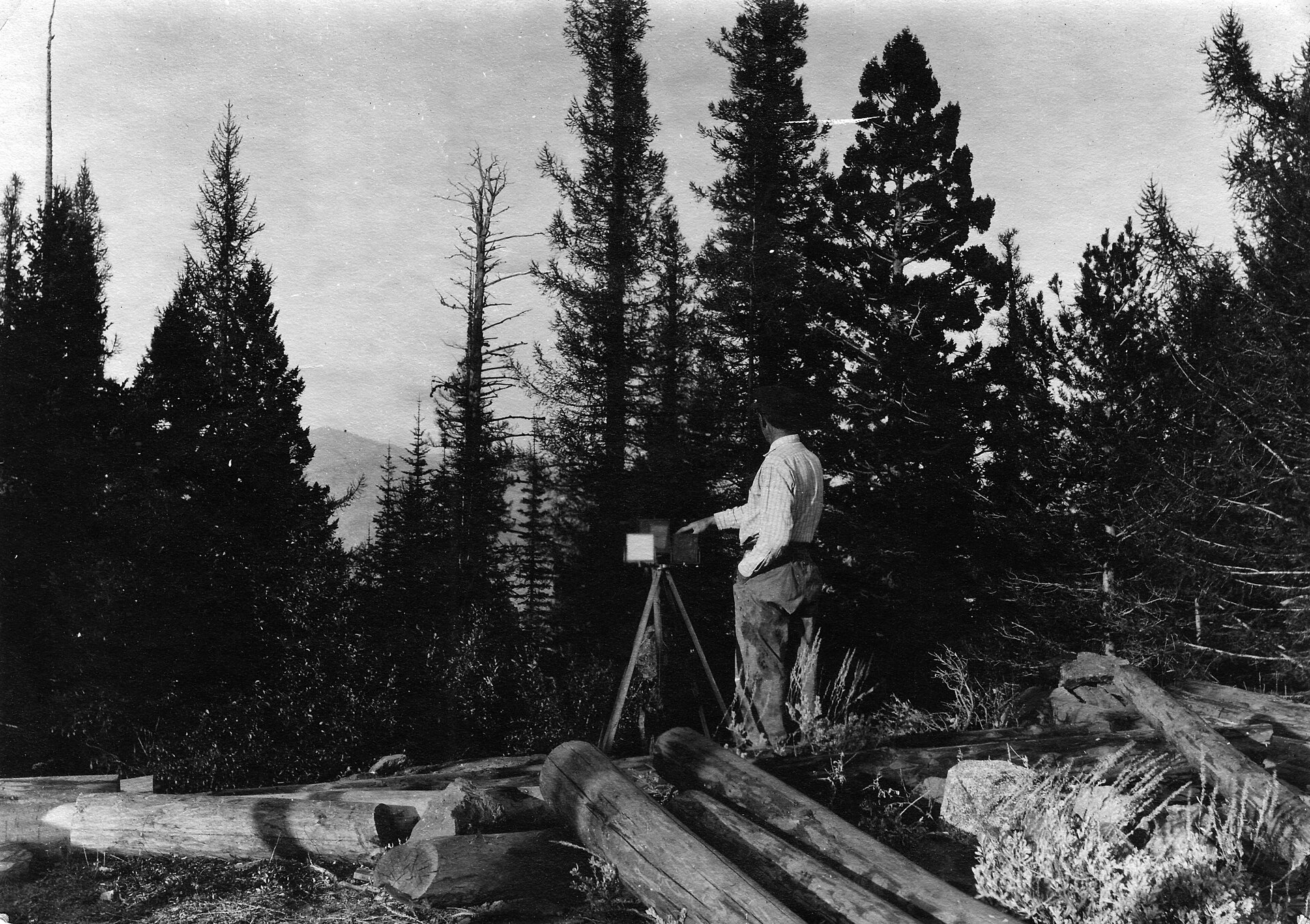
The heliograph — the first practical military version of which Henry Christopher Mance developed around 1869 — was one of the most elegant communications tools ever fielded: a mirror, a tripod, and a shutter, using nothing but the sun. To send a message, an operator angled the mirror to throw a beam of reflected sunlight at a station tens of miles away and worked a key-operated shutter to chop the beam into the dots and dashes of Morse code. It carried no wires to be cut, needed no power source to fail, weighed only a few pounds, and in the clear dry air of a desert or a mountain frontier it could reach forty or fifty miles — once, in a record set in 1894, a hundred and eighty-three. For armies operating across vast, empty, wireless country, it was close to ideal.
So it became the signalling instrument of empire and frontier. The British Army used it heavily across India, in Afghanistan, and in the Boer War, where besieged garrisons kept contact with the outside world by flashing light when the telegraph lines were down. The US Army Signal Corps built a web of heliograph stations across the Southwest during the 1886 campaign against Geronimo. But the heliograph had one absolute limitation written into it: it needed the sun. Cloud, fog, rain, or nightfall struck it dumb. Radio had no such weakness — it worked in any weather, day or night, and could broadcast in every direction at once — and once wireless telegraphy matured in the early twentieth century the heliograph slid into a backup role. Its last real use was in the North African desert in the Second World War, sun country to the end, before it passed entirely into the regimental museums.
Worth remembering
- It needed no wires and no battery: an operator tilted a mirror to throw the sun at a distant station and worked a shutter to break the beam into the dots and dashes of Morse, sending a message tens of miles across clear air at twelve to fifteen words a minute.
- In the 1886 campaign against Geronimo, the US Army strung twenty-seven heliograph stations across the Arizona and New Mexico mountains; the Apache reportedly avoided any sector where the flashes appeared, unnerved by the silent light that seemed to track them.
Gallery
Sources
- Mance developed the heliograph around 1869; the US Army used it in the Apache Wars (27 stations in the 1886 Geronimo campaign), and a world-record flash of 183 miles was made in 1894; radio eclipsed it in the early 20th century Wikipedia
- The heliograph used adjustable mirrors with a key-operated shutter to flash sunlight in Morse code, and was much used by the British Army in India and the US Army in the American Southwest after the Second Anglo-Afghan War Encyclopaedia Britannica
A graveyard tradition: leave a stone to show you came, and remembered.