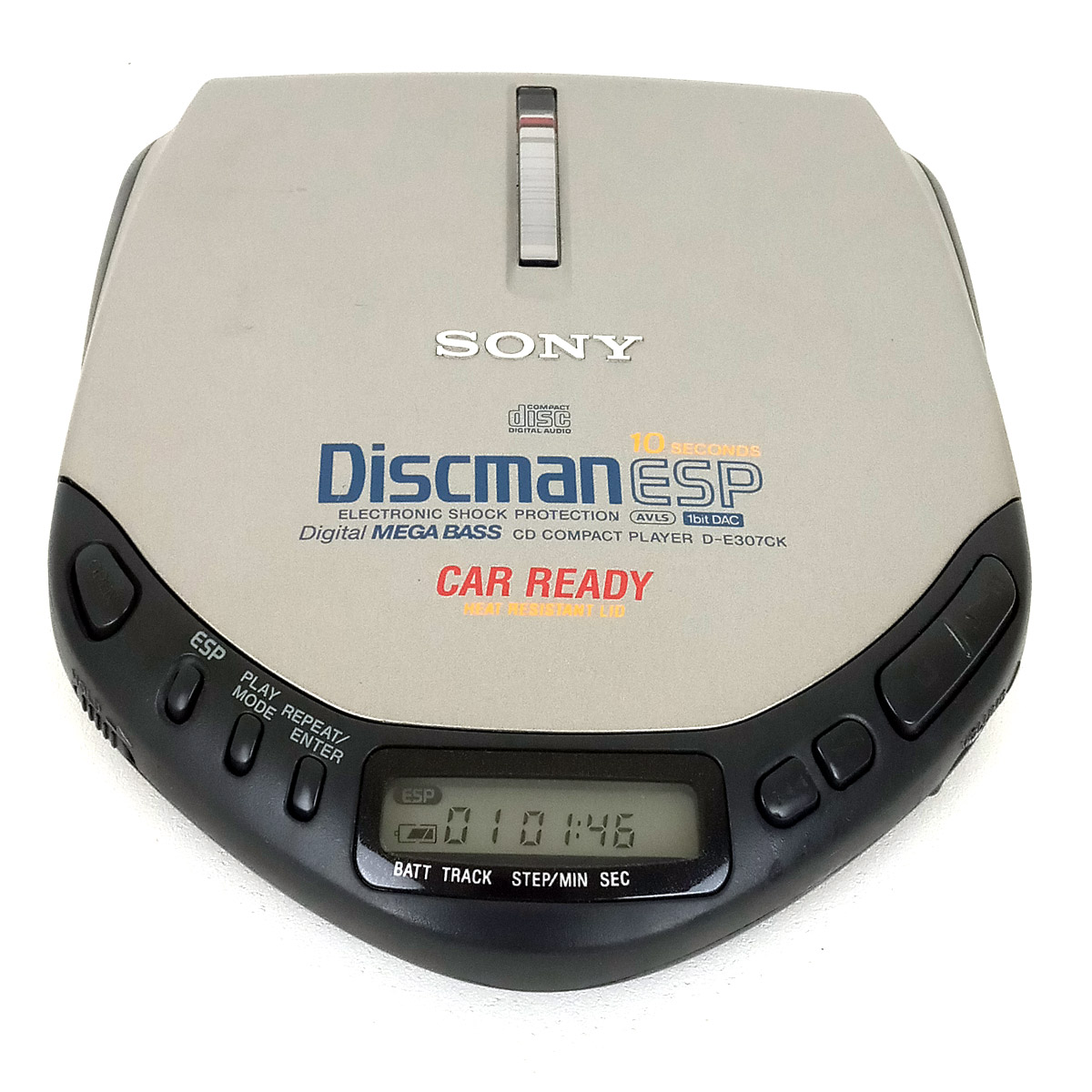
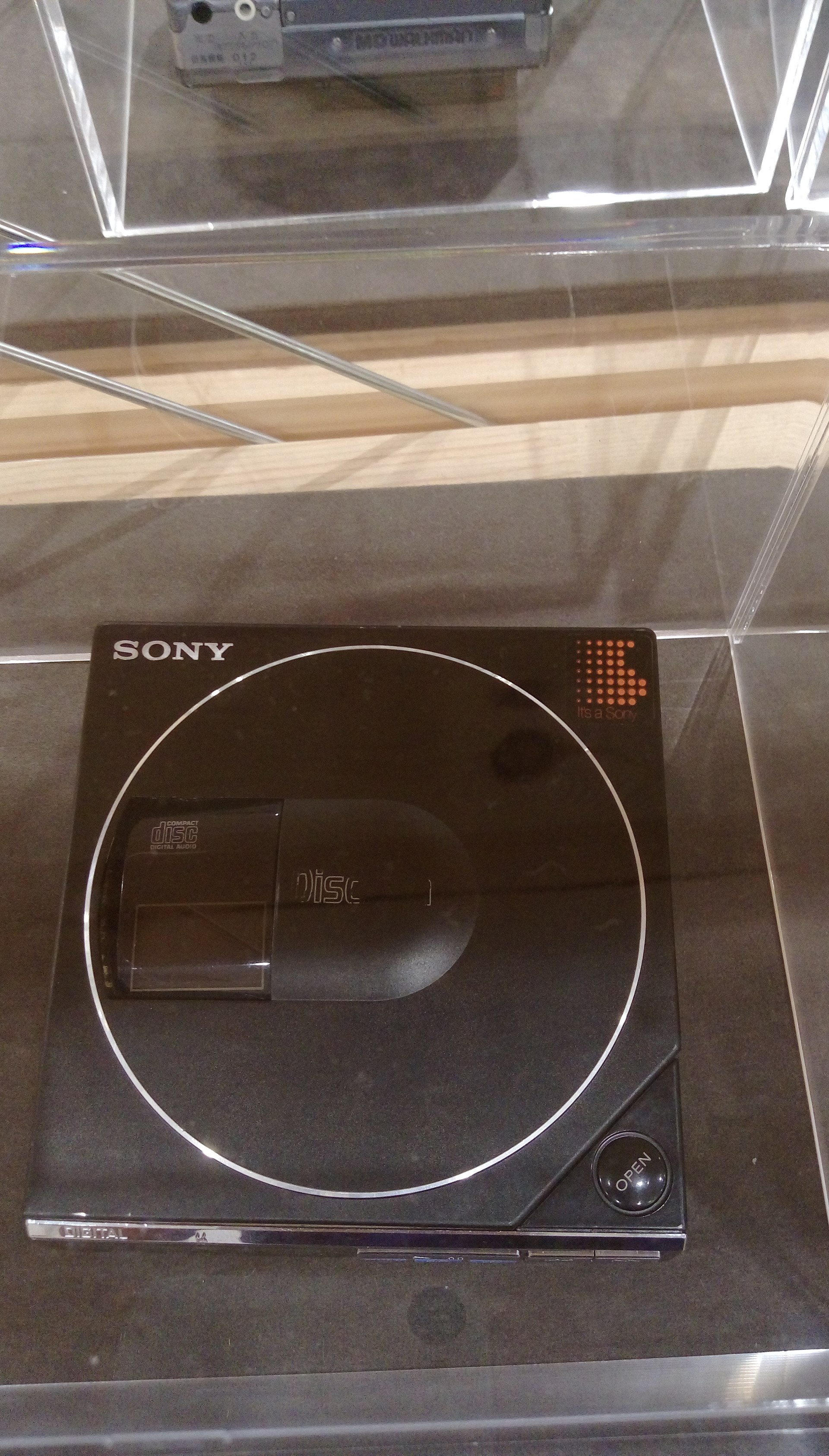
Sony's D-50, the first portable CD player, put the CD in your backpack in 1984 — skip-prone successor to the Walkman that put your jogging at risk.
Born
1984 CE
Died
2010 CE
Lived
26 years
Dead for
16 yrs
At its peak
Hundreds of millions of portable CD players sold across brands
Cause of death
Replaced
Replaced by
MP3 players and the iPod
The Obituary
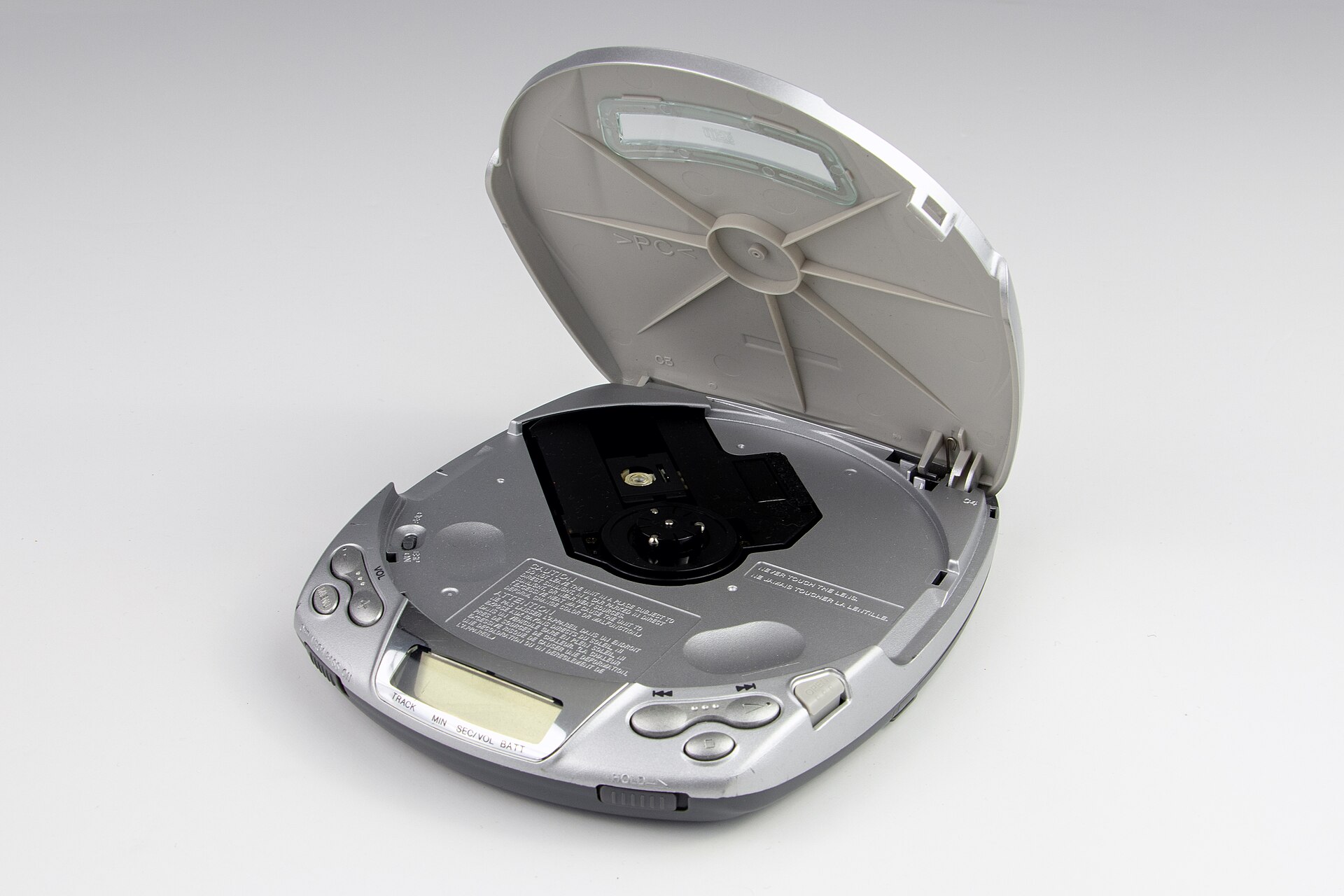
Sony’s D-50, released in 1984, shrank the compact disc player to roughly the size of the disc itself and created the portable CD market it branded the Discman. It gave listeners CD-quality audio on the move, but the spinning disc made it sensitive to motion; early units skipped at the slightest jolt until anti-shock memory buffers became standard in the 1990s. Flash-based MP3 players and the iPod, with no moving parts and far more capacity, made the format pointless, and portable CD players had largely vanished from stores by around 2010.
Worth remembering
Early models skipped whenever bumped, until anti-shock memory buffers arrived in the 1990s.
Sony branded it Discman before renaming the line CD Walkman in the late 1990s.
Gallery
Sony D-50 MK II, an early Sony portable CD Discman playerJuneAugust · CC BY-SA 3.0Sony Discman D-E206CK shown from the top with the lid openDillan Payne (PascalHD) · CC BY-SA 4.0
Watch
1984: A CD player for your car?! — BBC Archive Tomorrow's World
Sources
Sony launched the D-50, the first portable CD player, in 1984; later branded Discman then CD Walkman Wikipedia
Compact disc audio history and portable players Wikipedia
The Sony D-50, launched in November 1984, was the world's first portable CD player, roughly the size of four stacked CDs. Victoria and Albert Museum
TIME named the Sony Discman D-50 one of its all-time 100 gadgets, crediting it with making portable CD listening mainstream. TIME
Portable CD players overcame the format's sensitivity to motion through anti-shock buffer memory that pre-read data to survive bumps. Britannica
A graveyard tradition: leave a stone to show you came, and remembered.
Buried nearby — by shared fate or a neighbouring lifespan.