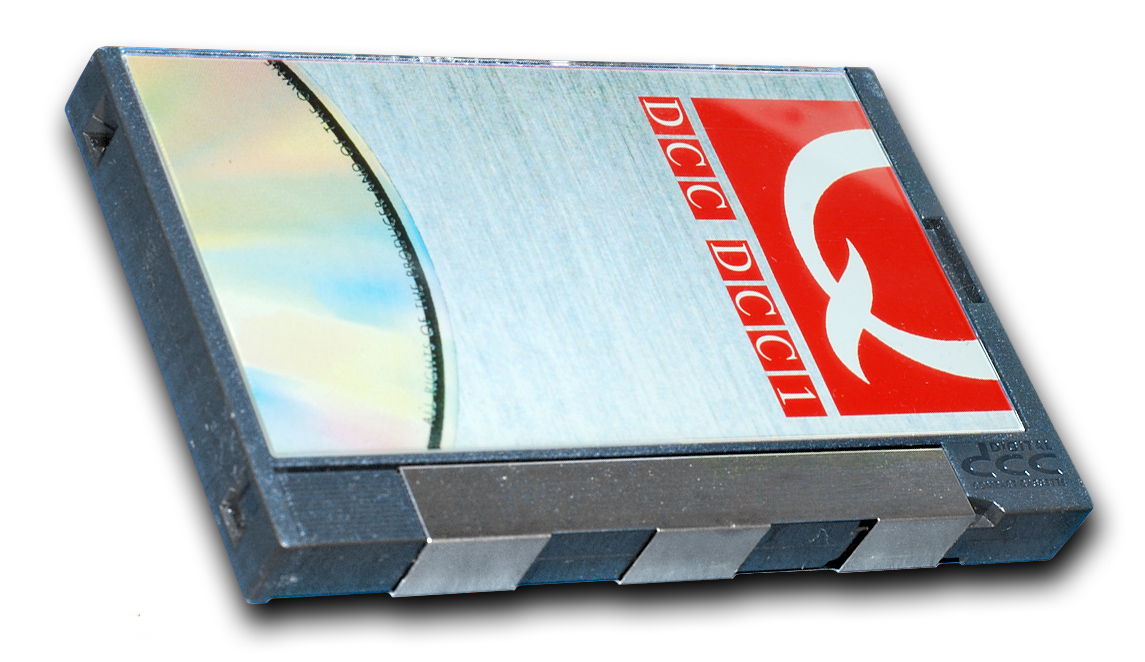
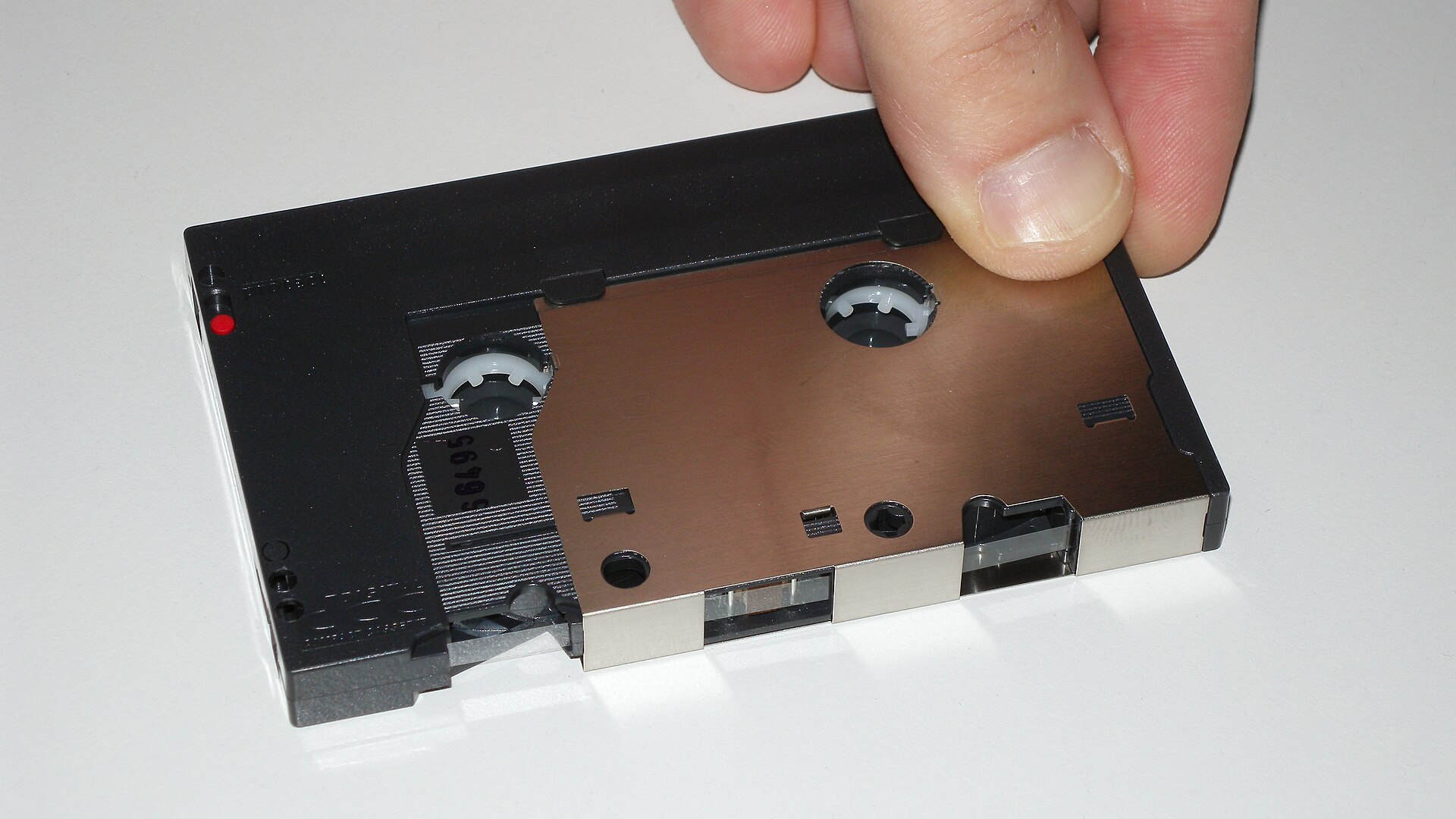
Digital Compact Cassette was Philips’ bid to replace the analog cassette it had invented in 1963 with a digital successor. It recorded digital audio onto tape in a cartridge the same size as a standard cassette, using a lossy compression codec called PASC, and DCC decks played both formats, removing the risk of an incompatible library. Philips and Matsushita launched it in 1992 alongside Sony’s competing MiniDisc, setting up a format war both sides would lose.
Neither format gained the traction needed to displace the CD for playback or the analog cassette for recording. DCC’s lossy compression alienated audiophiles, while younger buyers found both DCC and MiniDisc too dear. The CD kept falling in price and recordable CD-R was coming. Philips discontinued DCC in October 1996, four years after launch, abandoning the hardware and titles. It survives as a collector’s curiosity with a small preservation community.
Worth remembering
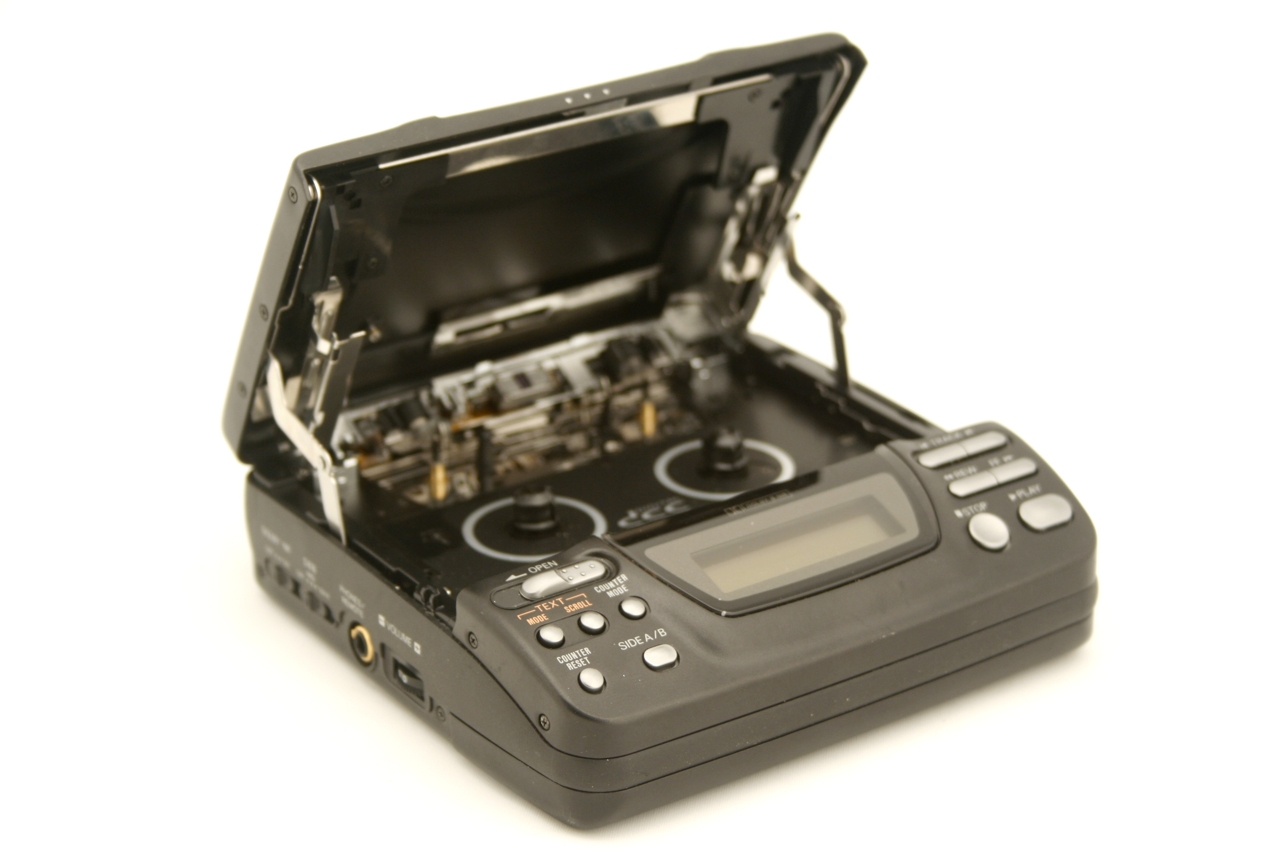
- DCC decks were backward-compatible with ordinary analog cassettes — you could play your old mixtapes — which was its main practical edge over MiniDisc.
- Philips used PASC, a lossy codec that cut the data rate fourfold; audiophiles rejected it for that, while mass-market buyers stayed with cheaper CD players.
Gallery
Watch
Sources
- DCC was introduced by Philips and Matsushita in 1992 and discontinued in October 1996 after poor sales; it used PASC lossy compression and played back analog cassettes too. Wikipedia
- DCC was quietly discontinued in October 1996 after Philips admitted poor sales. Museum of Obsolete Media
- DCC debuted in 1992 and was discontinued in October 1996 after failing to achieve significant market penetration. DCC Museum
A graveyard tradition: leave a stone to show you came, and remembered.