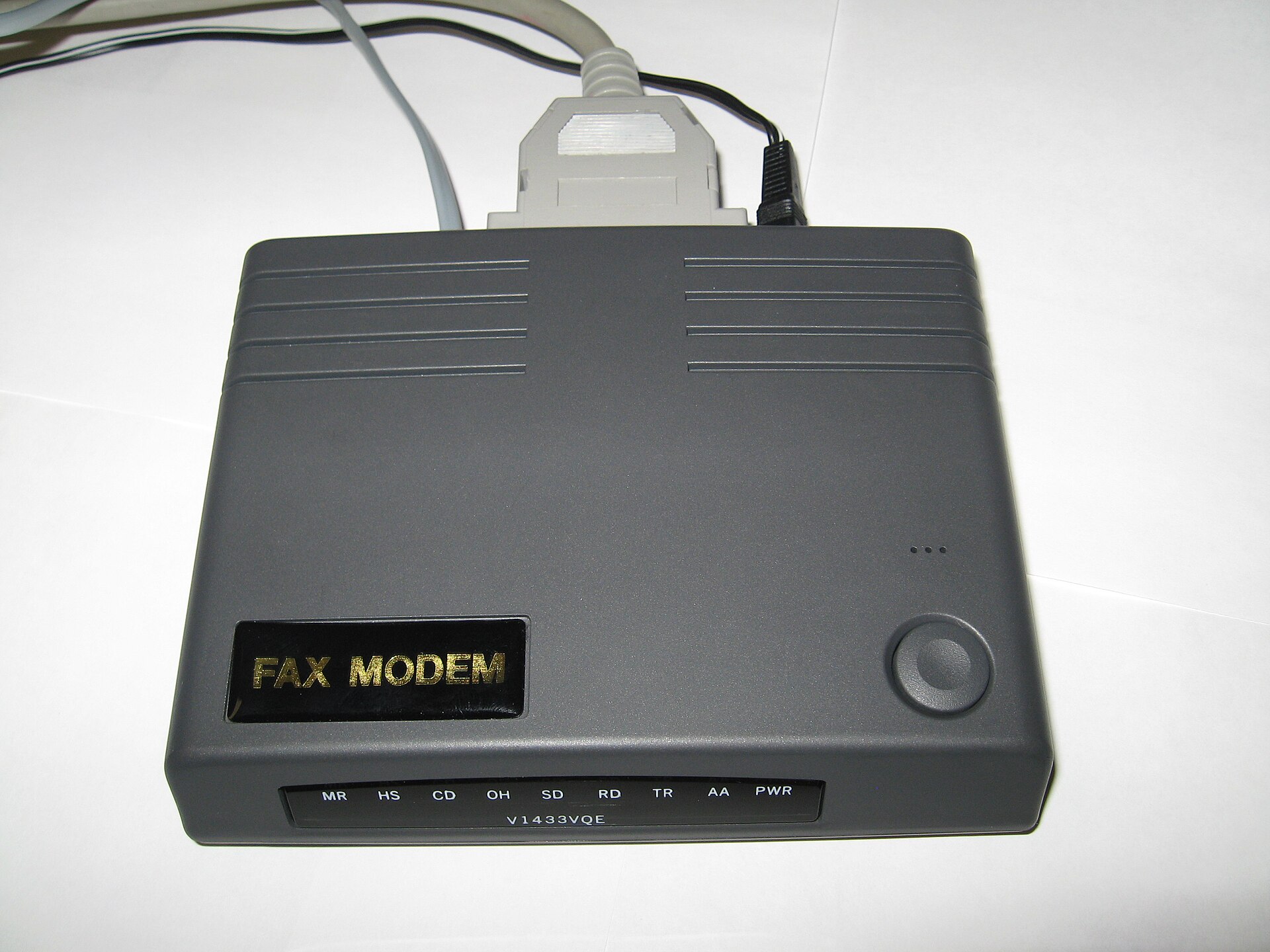
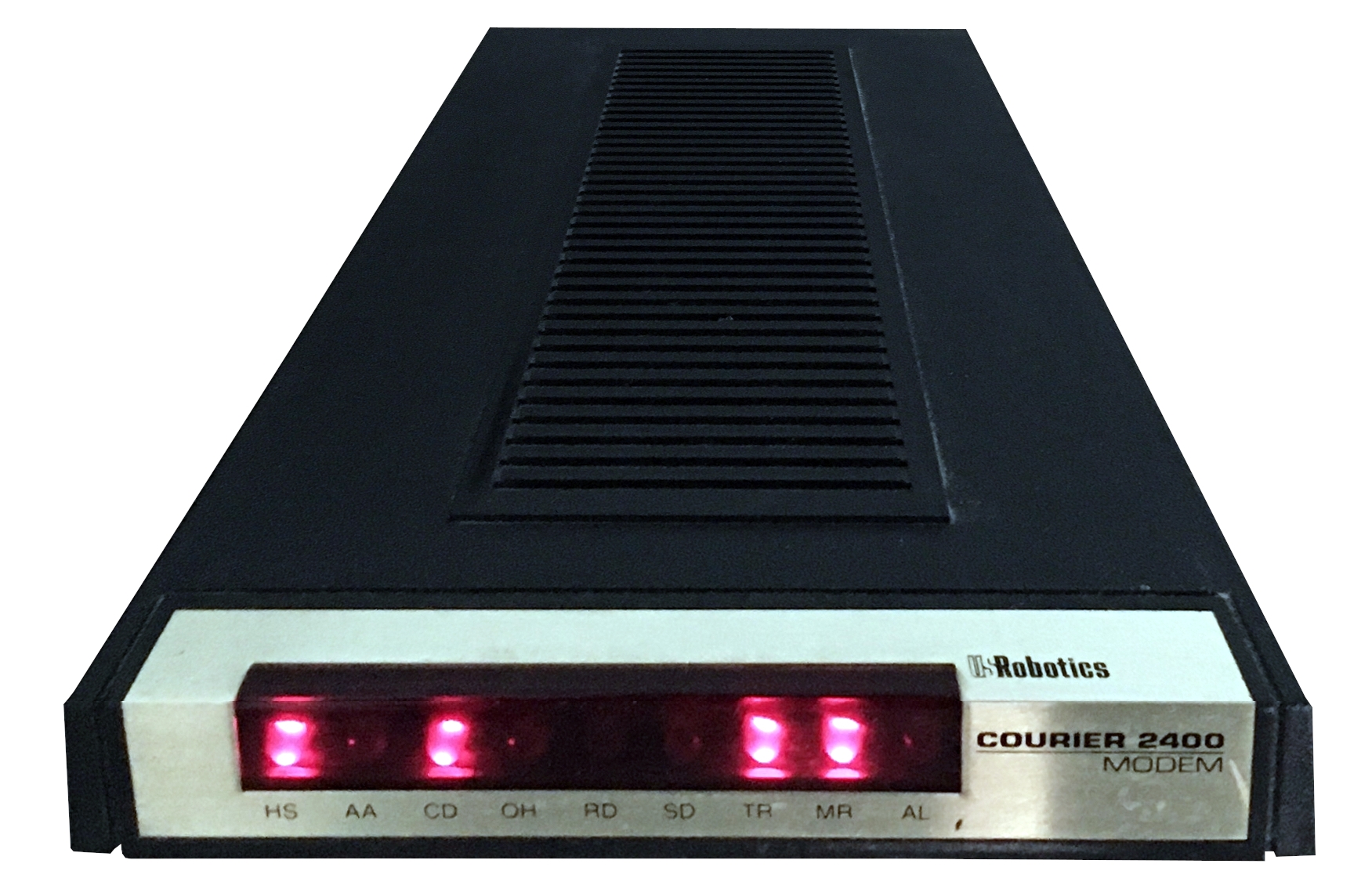
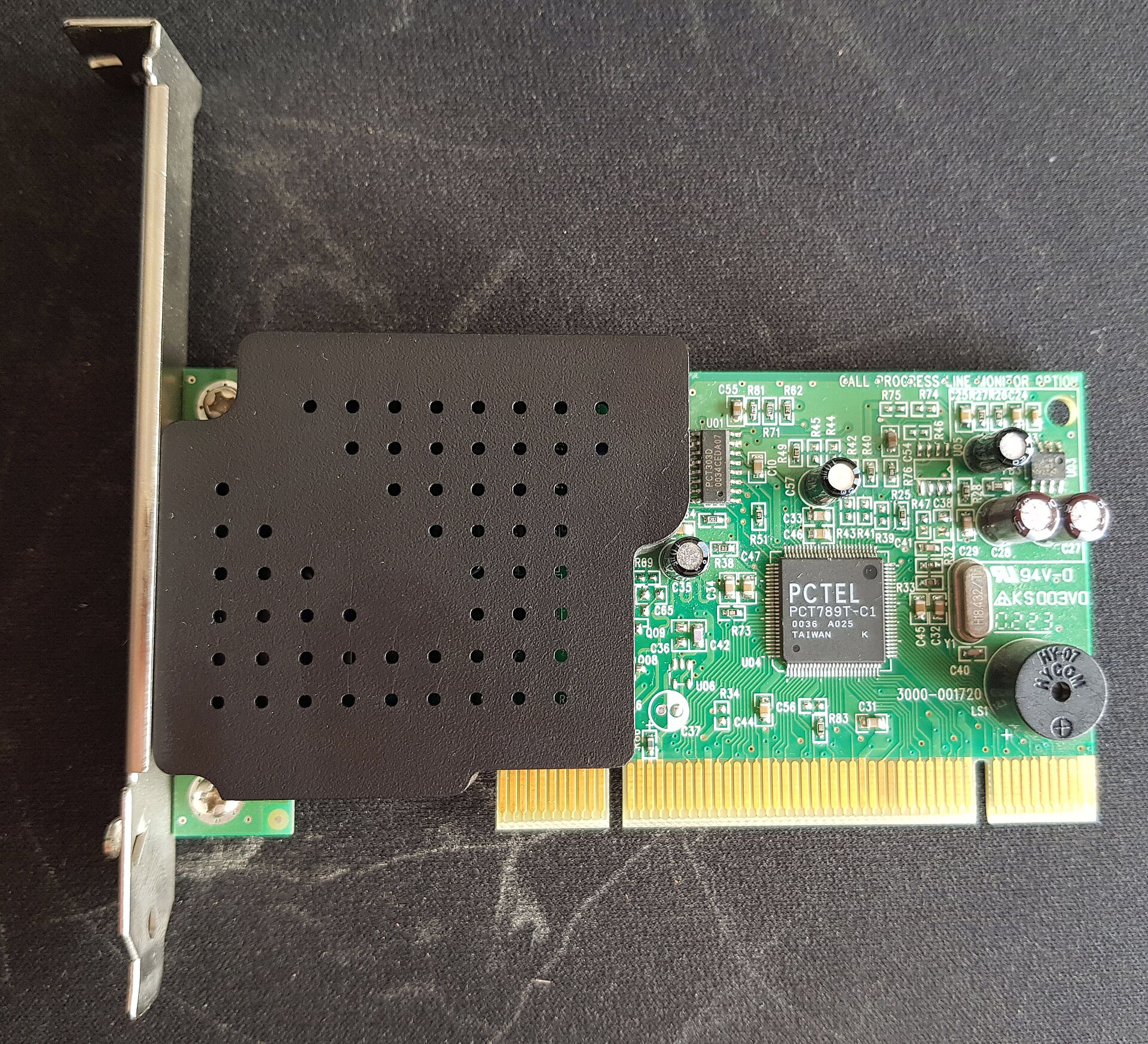
The dial-up modem was how most people first reached the internet. Descended from AT&T’s 300-bit-per-second Bell 103 of 1962, consumer modems peaked at 56 kilobits per second in the late 1990s under the V.90 standard, the fastest speed achievable over analog phone lines — a 56k modem trick whose core concept Brent Townshend devised. To get online you dialled a number and listened to the modem’s famous screech — a handshake of tones negotiating the noisy phone line — then waited as pages crept in. It hogged the household phone, so calls and the web could not share a line. Always-on broadband, dozens of times faster, overtook it through the 2000s, and dial-up faded to a memory of patient, tone-filled evenings.
Worth remembering
- Top dial-up speed topped out at 56 kbit/s — slower than a single modern web image loads today.
- Its connection screech was the sound of a digital handshake negotiating line conditions.
Gallery
Watch
Sources
- Bell 103 modem (1962) ran at 300 bit/s; later modems reached 56 kbit/s Wikipedia
- Dial-up Internet access overtaken by broadband in the 2000s Wikipedia
- Modems evolved from the Bell 103 (1962, 300 bit/s) to the 56 kbit/s V.90 standard before broadband displaced dial-up. Britannica
- Brent Townshend devised the core concept behind the 56k modem standard, the fastest speed achievable over analog phone lines. Computer History Museum
A graveyard tradition: leave a stone to show you came, and remembered.