
Monarch Airlines was founded in 1967 and based at Luton, backed by the Swiss Mantegazza family, and built its business carrying British package-holiday travellers to the Mediterranean. For decades the model worked: charter flights at fixed prices to Tenerife, Malaga and Corfu, sold through tour operators. By 2014, its peak year, it carried about 7 million passengers. A 2014 acquisition by Greybull Capital and a large capital injection kept it flying but did not fix the underlying economics.
Monarch’s shift from charter to scheduled low-cost flying put it head-to-head with Ryanair and easyJet, carriers with cost structures it could not match. It ran up heavy losses; attacks on tourist destinations cut demand on routes to Egypt, Tunisia and Turkey; and the post-Brexit fall in the pound raised dollar- and euro-denominated costs. When the CAA declined to renew its licence, Monarch ceased all operations in the early hours of 2 October 2017. The government funded the largest peacetime repatriation in British history to fly 110,000 stranded passengers home.
Worth remembering
- Monarch was an early UK operator of long twin-engine routes, using the Boeing 757 as extended-range certification developed in the 1980s.
- At its peak Monarch's charter flights were how many working-class British families reached Mediterranean holidays, carrying hundreds of thousands a year to Spain, Greece and the Canary Islands.
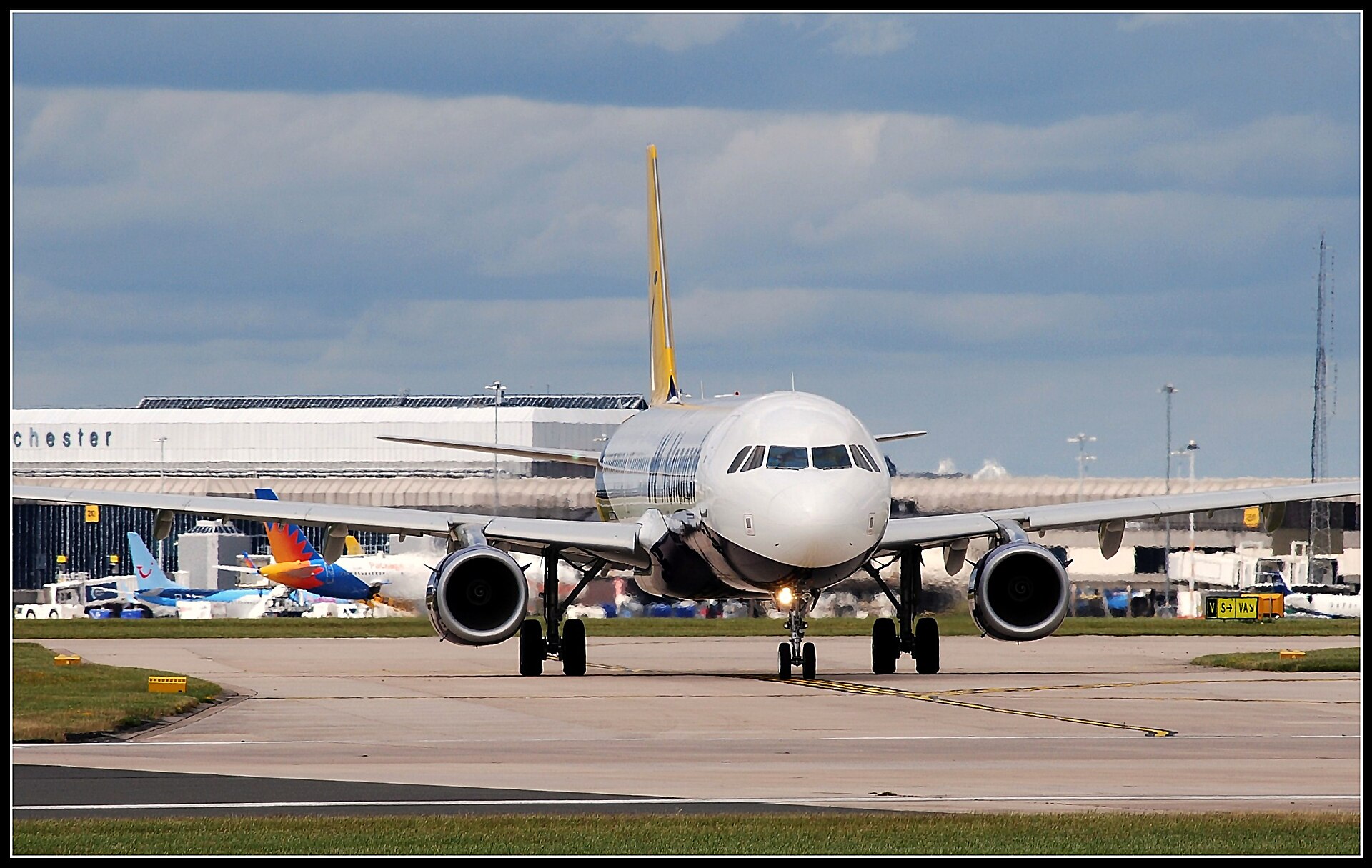
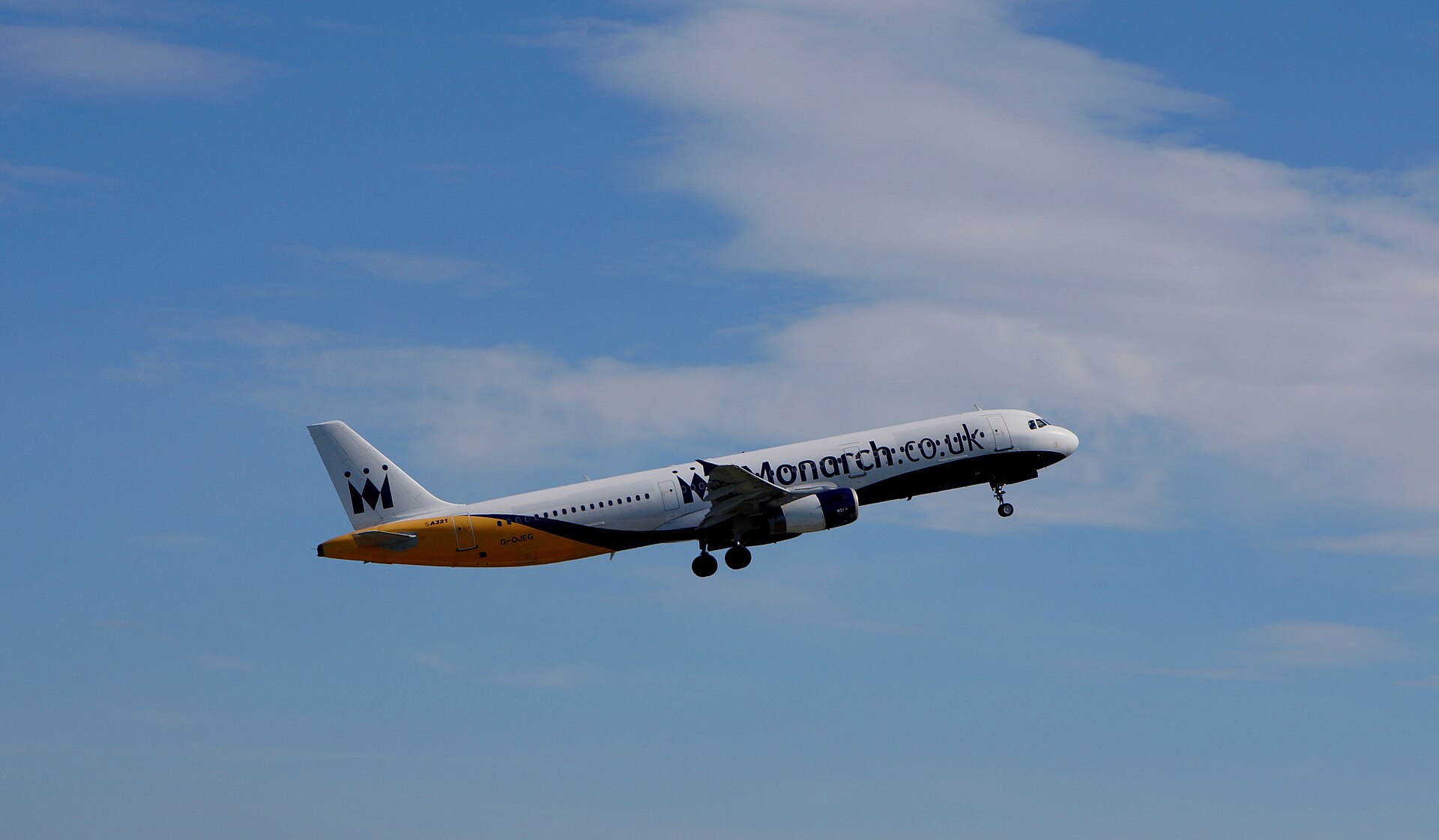
Gallery
Sources
- Monarch ceased operations on 2 October 2017, stranding about 110,000 passengers abroad in the largest UK airline failure on record at the time. Wikipedia
- Monarch accumulated heavy operating losses as most of its routes faced direct low-cost competition and it operated below profitable load factors. Simple Flying
- The UK government funded the largest peacetime repatriation in British history to fly stranded Monarch passengers home, and thousands of staff were made redundant. BBC News
A graveyard tradition: leave a stone to show you came, and remembered.