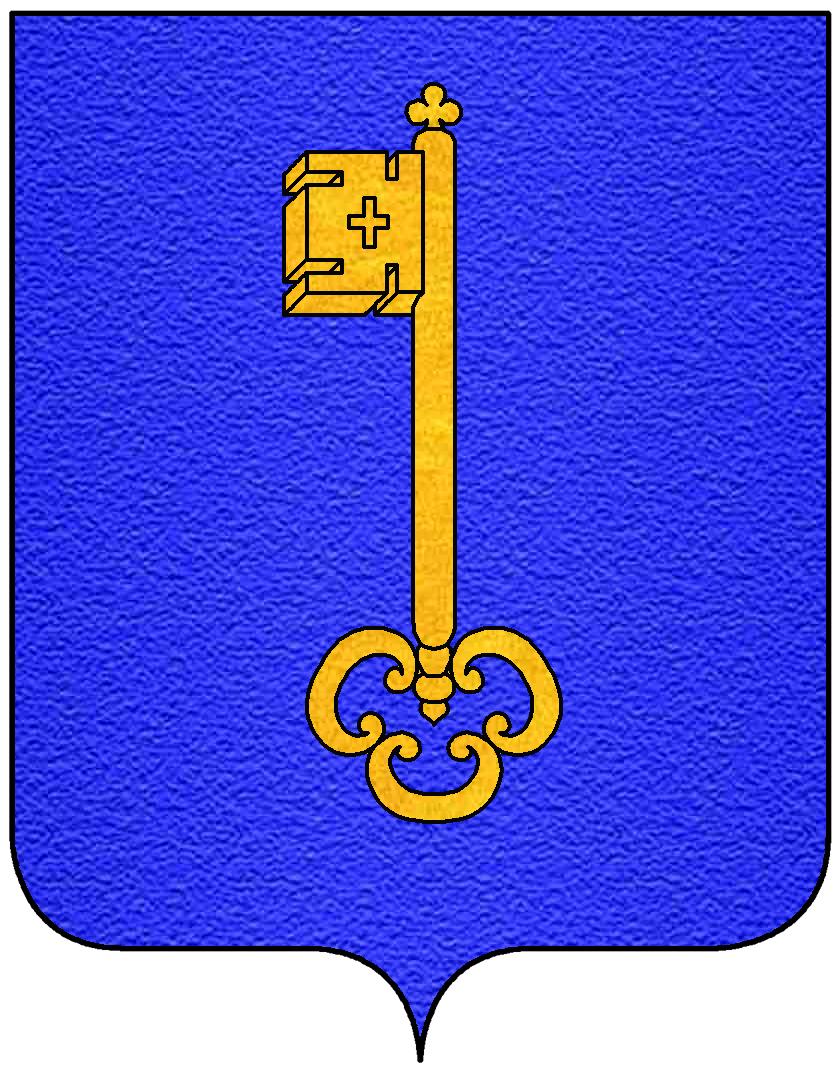
The Societas Riccardorum were merchant-bankers from Lucca who became, from 1272, the effective treasury of the English crown. They financed Edward I’s wars, his diplomacy and his administration, and in return handled England’s wool — the kingdom’s great export — across a network reaching from Dublin to Rome. The arrangement made them indispensable and dangerously exposed: their fortune was largely lent back to the very king they served.
In 1294 England and France went to war. Philip IV froze Italian assets in France; Edward, needing emergency funds, demanded money the Riccardi could not raise, because he already had it. Treating the firm’s English operation as collateral, he seized it outright. The seizure triggered a creditor run back in Italy, and there was nothing to draw on. The Riccardi were bankrupt by 1300. Their fall left the English exchequer scrambling for credit and helped push the crown into the unprecedented taxation that produced the constitutional crisis of 1297 — a private bank’s collapse rippling into the making of England’s constitution.
Worth remembering
- They were party to roughly half of all forward contracts with English wool producers — financing the harvest before the shearing, and so controlling the flow of England's most valuable export.
- Their network of branches ran from Rome and Bordeaux to Paris, Flanders, London, York and Dublin, making a Lucca firm the working bank of the English state.
Gallery

Sources
- The Riccardi held branches from Dublin to Rome, were involved in half of England's forward wool contracts, and collapsed after Edward I seized their English assets in 1294; bankrupt by 1300 Wikipedia
- The Riccardi of Lucca served as bankers to Edward I from 1272; the standard academic study is Kaeuper's 'Bankers to the Crown' (1973) Princeton University Press / JSTOR
A graveyard tradition: leave a stone to show you came, and remembered.