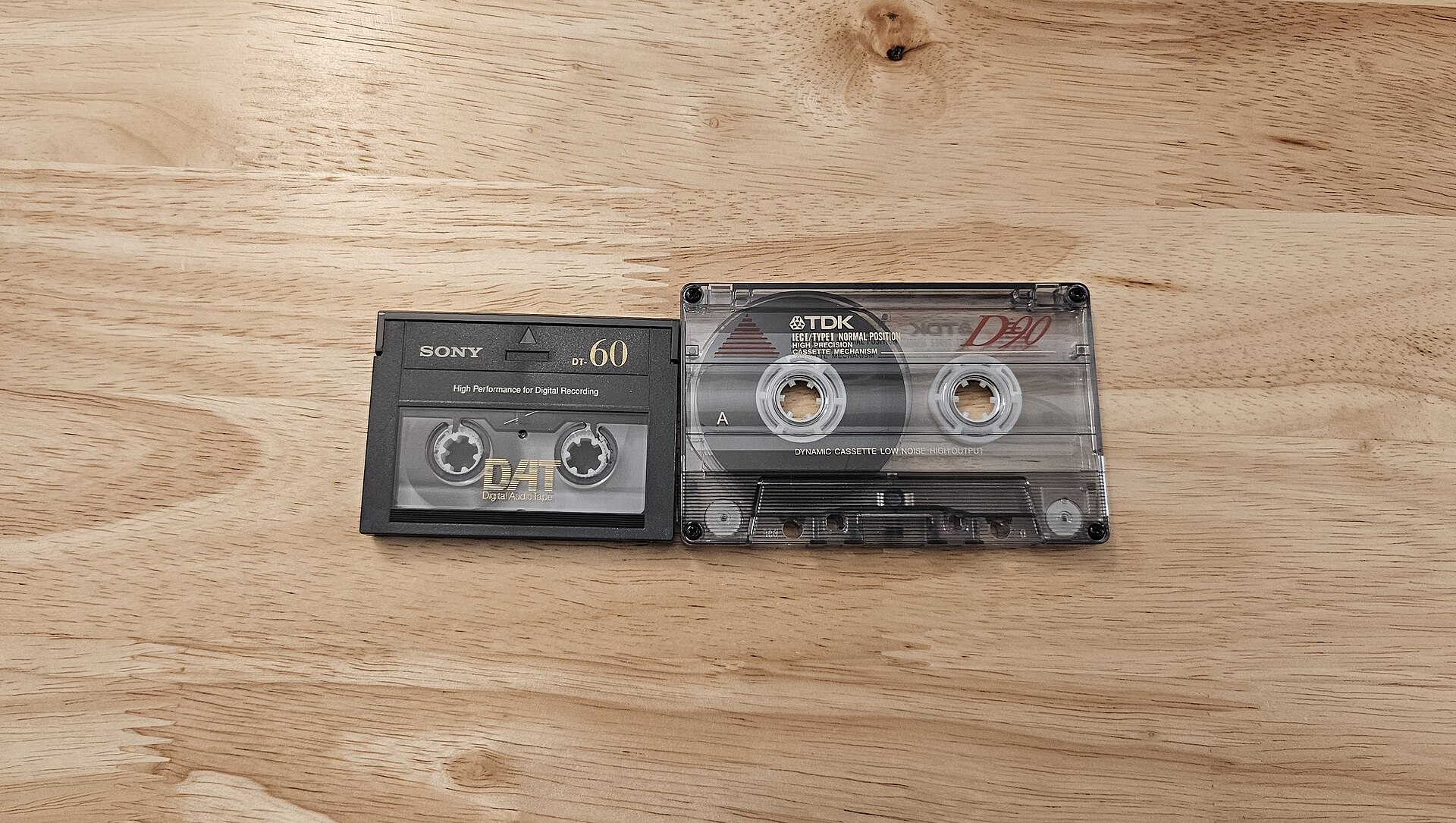
Philips's mixtape medium, rewound by pencil, that democratized recording before the CD eclipsed it.
Born
1963 CE
Died
2002 CE
Lived
39 years
Dead for
24 yrs
At its peak
Best-selling recorded-music format worldwide in the late 1980s
Cause of death
Replaced
Replaced by
The compact disc and digital audio
The Obituary
Philips unveiled the Compact Cassette at the Berlin Radio Show on 28 August 1963 as a dictation medium, then licensed it freely, and it grew into the dominant recorded-music format of the 1980s. Its real power was recording: anyone could dub the radio, copy an album, or build a mixtape, which made it both beloved and the target of the “home taping is killing music” campaign. The Walkman made it portable. The compact disc offered cleaner sound and no rewinding, and through the 1990s it displaced the cassette; major labels had largely stopped issuing cassette albums by the early 2000s.
Worth remembering
A loose tape could be wound back into the shell by spinning the hub with a pencil or pen.
Home dubbing made the personal mixtape a cultural ritual and a record-industry panic.
Gallery
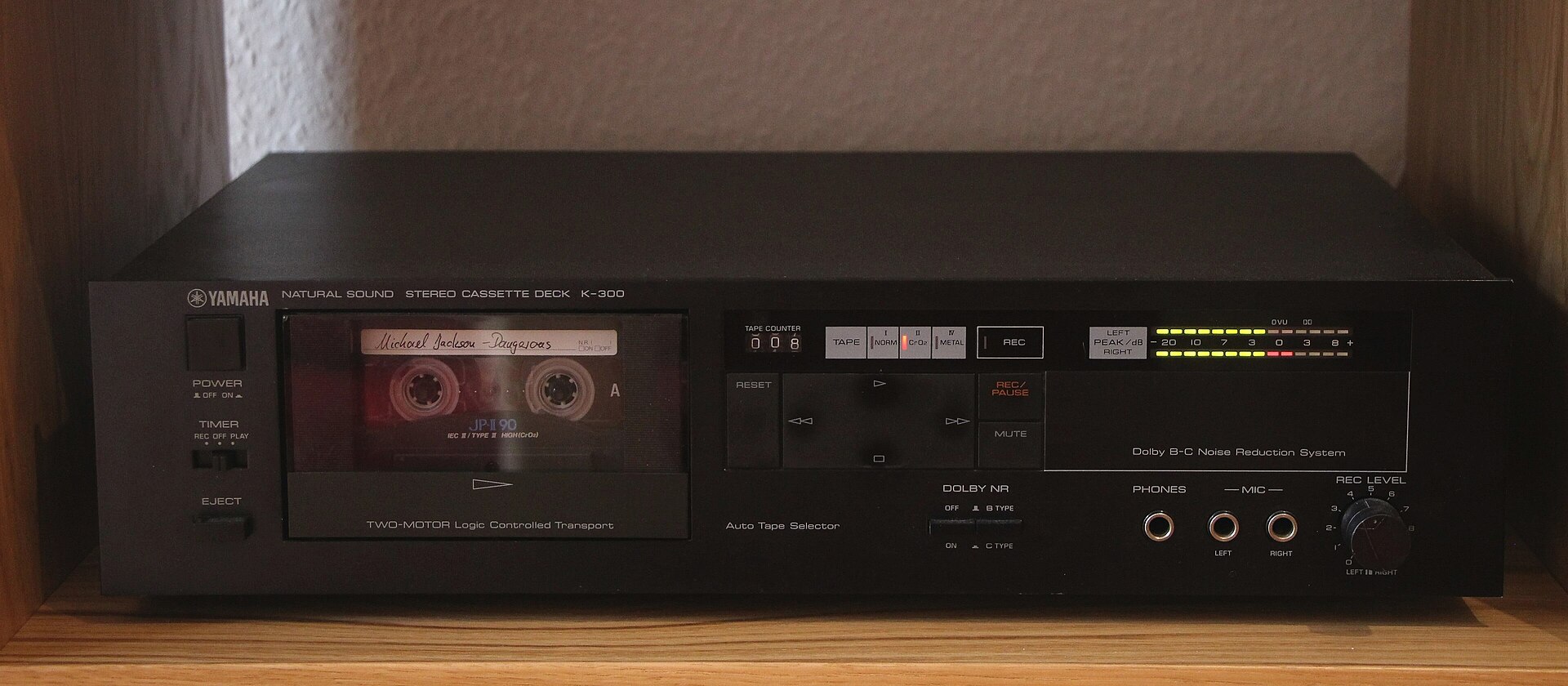
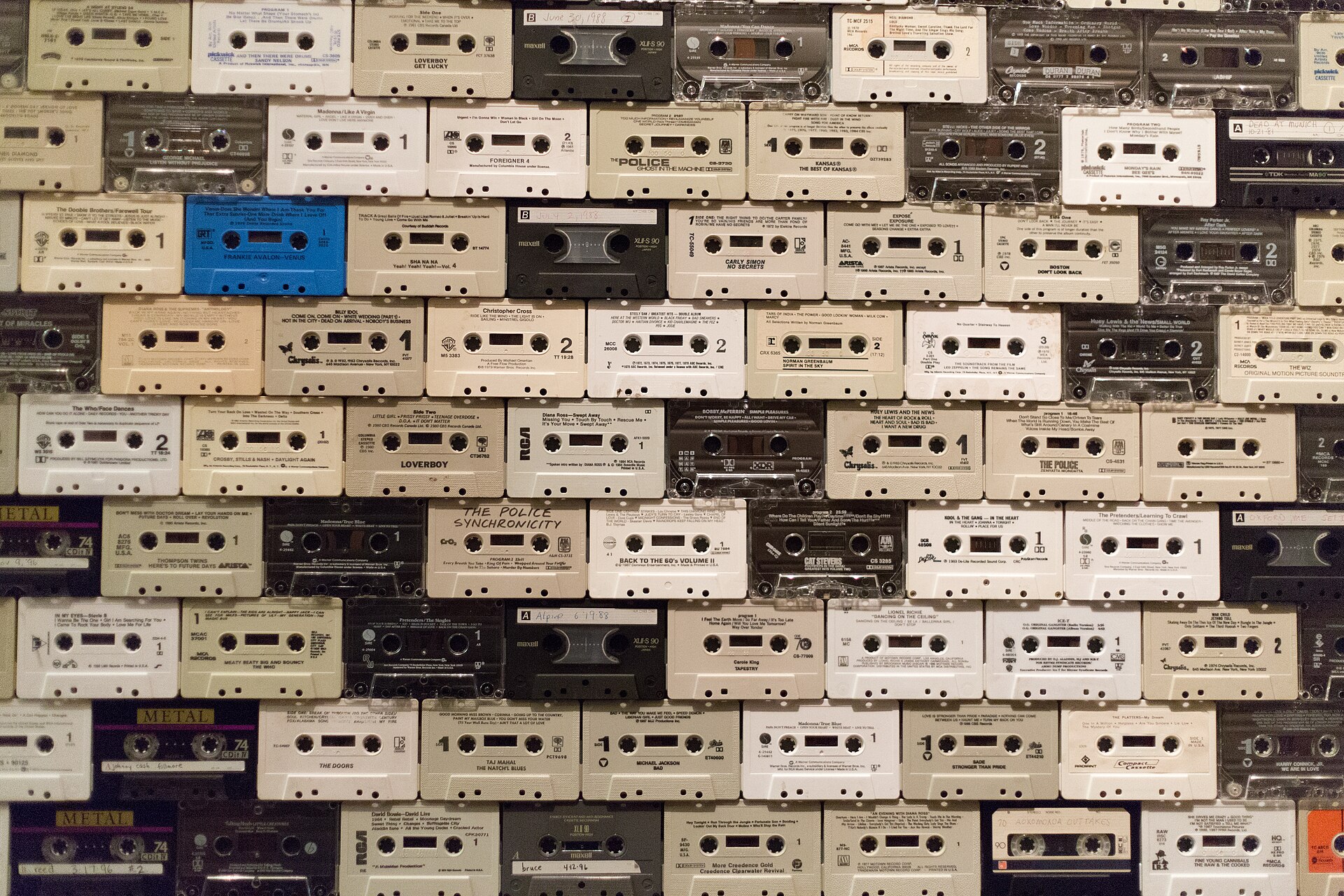
A Yamaha K-300 cassette deck from 1983 with a cassette loadedHannes Grobe · CC BY-SA 4.0A wall of stacked compact cassette tapesScott Schiller · CC BY-SA 2.0
Watch
Cassette history: a series of fortunate events — Techmoan
Sources
Philips introduced the Compact Cassette in 1963 Wikipedia
Cassette sales peaked in the late 1980s before CDs overtook them Britannica
The compact cassette was introduced by Philips in 1963 and became the leading audio recording medium of the 1970s and 1980s before CDs displaced it. Britannica
Philips unveiled the first compact cassette recorder at the Berlin Radio Show on 28 August 1963. Philips
Philips licensed the compact cassette format for free, ensuring its global adoption; the Sony Walkman later made it the dominant portable music medium despite home-taping fears. The Register
A graveyard tradition: leave a stone to show you came, and remembered.
Buried nearby — by shared fate or a neighbouring lifespan.