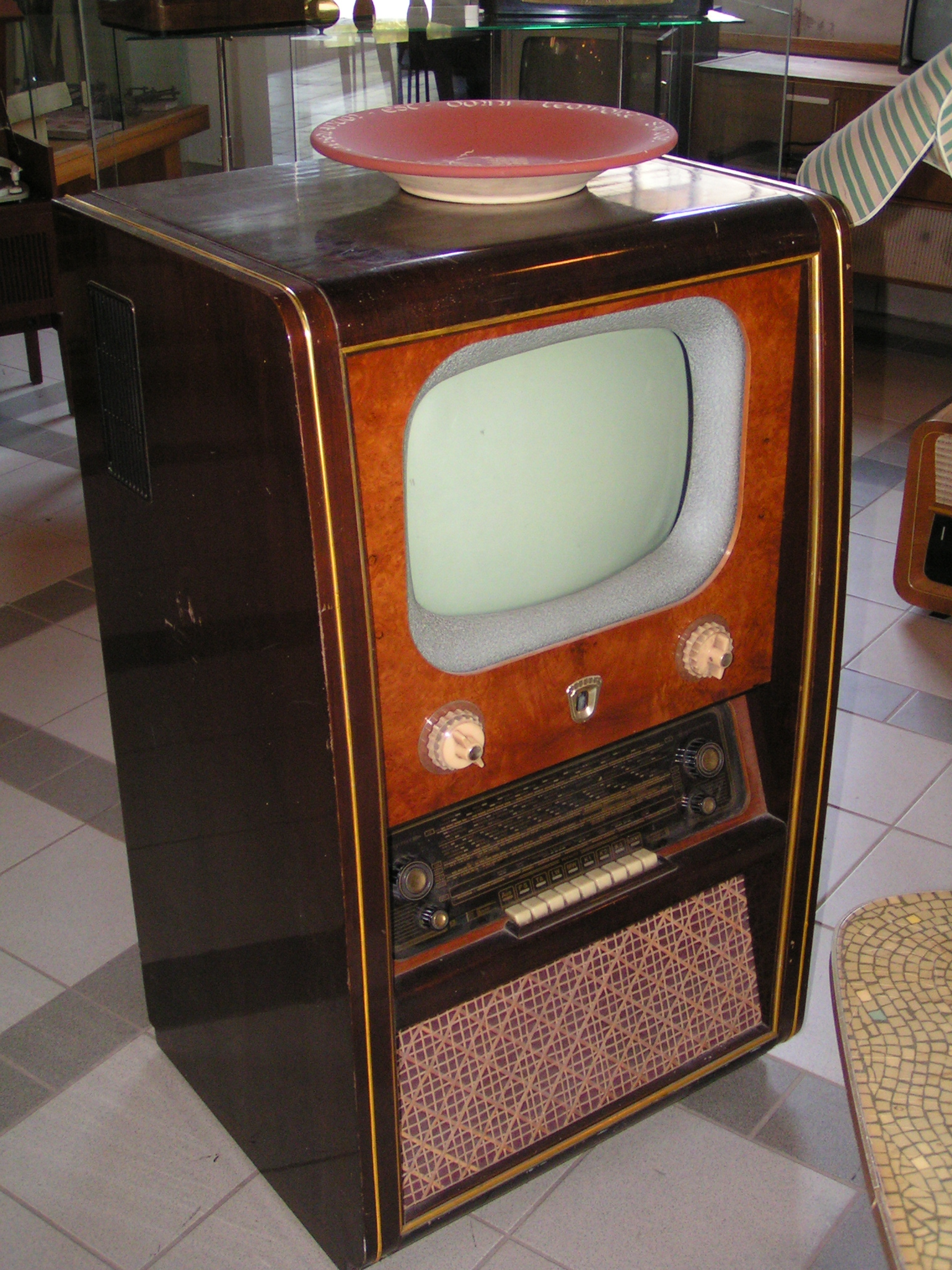
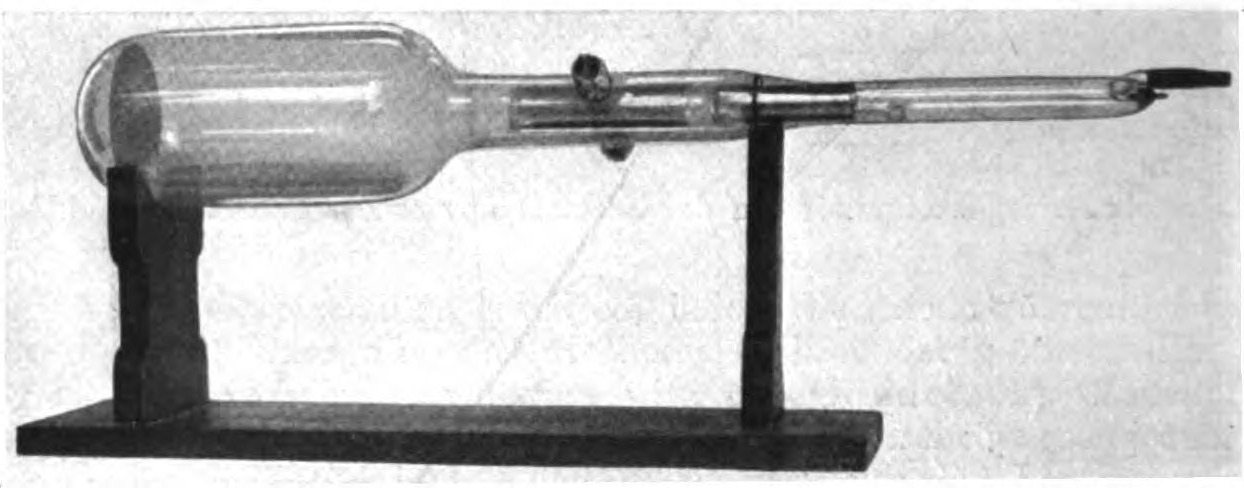
The cathode-ray tube, demonstrated by Ferdinand Braun in 1897, was the display technology inside virtually every television set and computer monitor from the 1930s through the early 2000s. It worked by firing electron beams at a phosphor-coated glass screen, producing light by direct excitation. By 2000, CRT computer monitor sales alone reached 90 million units per year; TV sales peaked five years later at 130 million units globally. The technology was dominant not because it was elegant but because nothing else could match its brightness, color accuracy, and price at scale.
LCD pricing collapsed through the early 2000s. By 2003–2004, LCD monitor sales exceeded CRT sales in units. By 2005, LCD TVs began outselling CRTs in developed markets. Sony closed its Japanese CRT production in 2004; Samsung SDI stopped entirely in 2012. The shift took roughly seven years from parity to near-total extinction in consumer markets — one of the fastest category deaths for a technology so deeply embedded in daily life. A handful of niche users — retro gamers and military systems — kept small numbers in service, but as a mass-market object the CRT was functionally gone by 2015.
Worth remembering
- At peak production in the mid-1990s, around 160 million CRTs of all types were manufactured annually worldwide — a production scale that made every alternative look boutique.
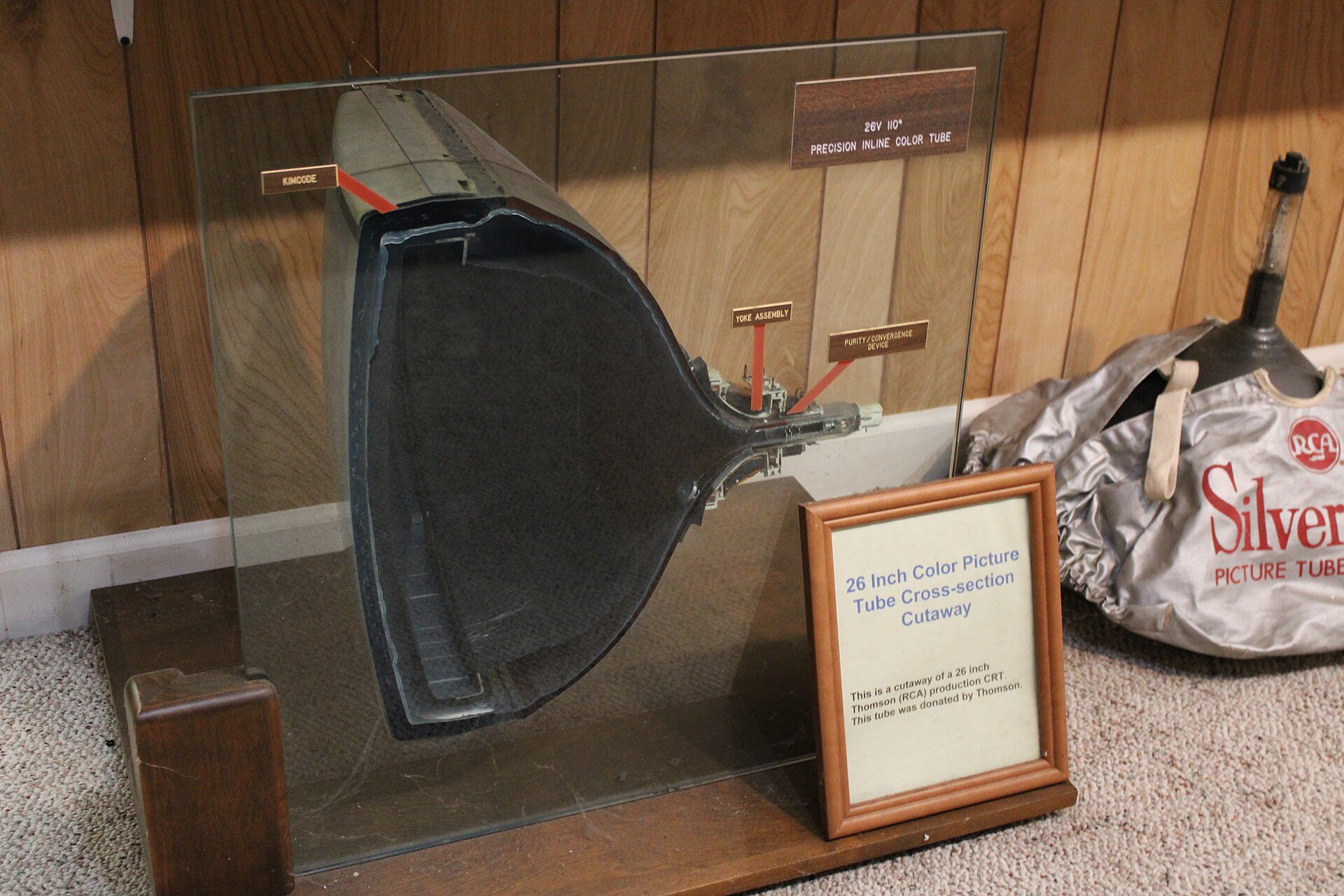
- CRTs maxed out at around 40–45 inches diagonally because larger tubes required impractically thick glass to withstand atmospheric pressure, a physical limit that LCD immediately escaped.
Gallery
Watch
Sources
- Worldwide sales of CRT TVs peaked in 2005 at 130 million units; Samsung SDI ceased CRT manufacturing in 2012 Wikipedia
- Flat-panel display technologies such as LCD, plasma, and OLED superseded CRT televisions Wikipedia
- CRT TVs were supplanted by LCD and other flat-panel display technologies Encyclopaedia Britannica
A graveyard tradition: leave a stone to show you came, and remembered.