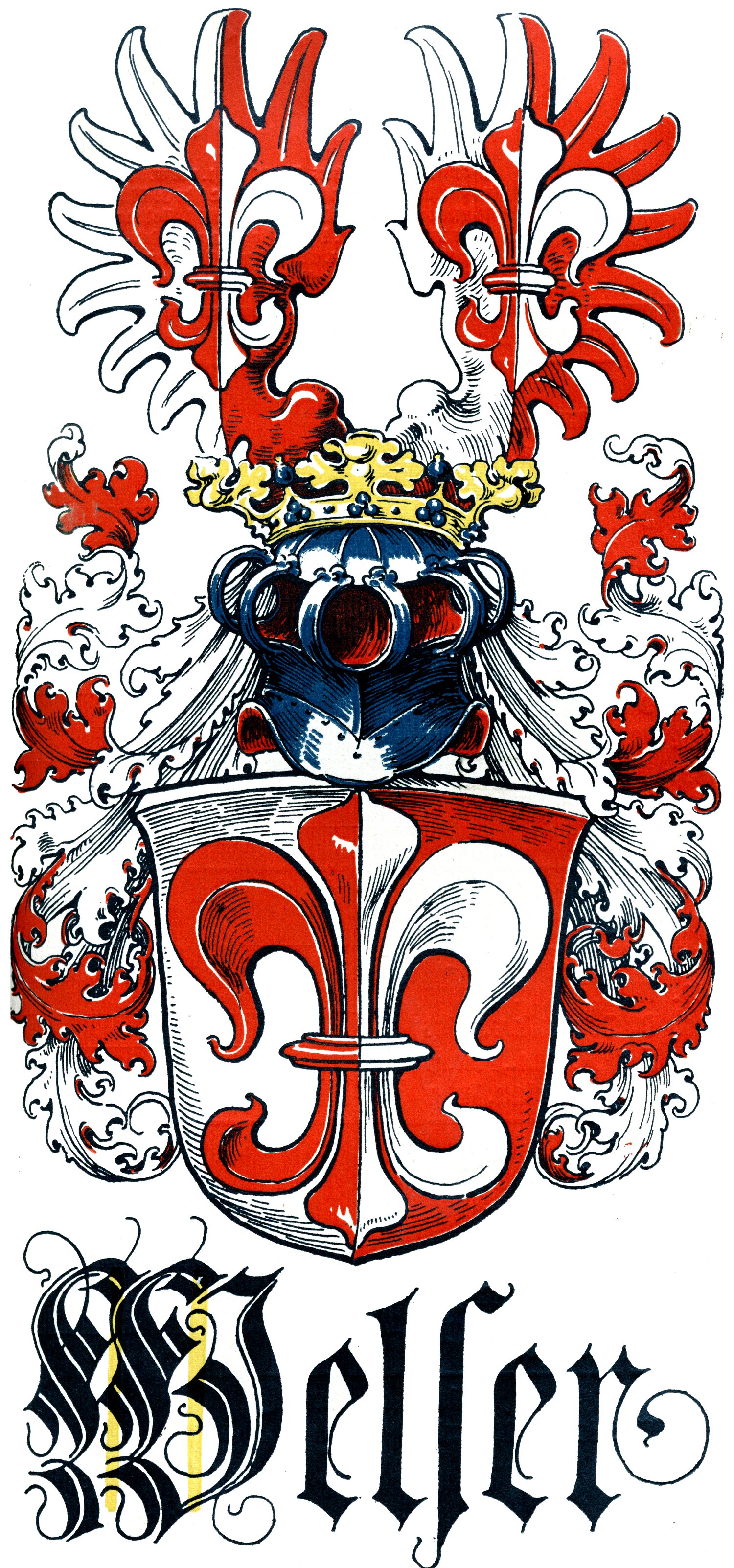
The Welser-Gesellschaft of Augsburg, the merchant dynasty headed by Bartholomaeus V. Welser (1484–1561), was Germany’s answer to the Fuggers — a merchant-banking dynamo that financed the Habsburgs, traded spices across Europe, and uniquely held sovereign rights over Venezuela, the colony its contemporaries called Klein-Venedig, from 1528 to 1546. Its governors there founded Maracaibo and led seven expeditions chasing the myth of El Dorado, losing hundreds of men to disease and the people they invaded; the venture ended with a Welser governor executed by a Spanish official in 1546.
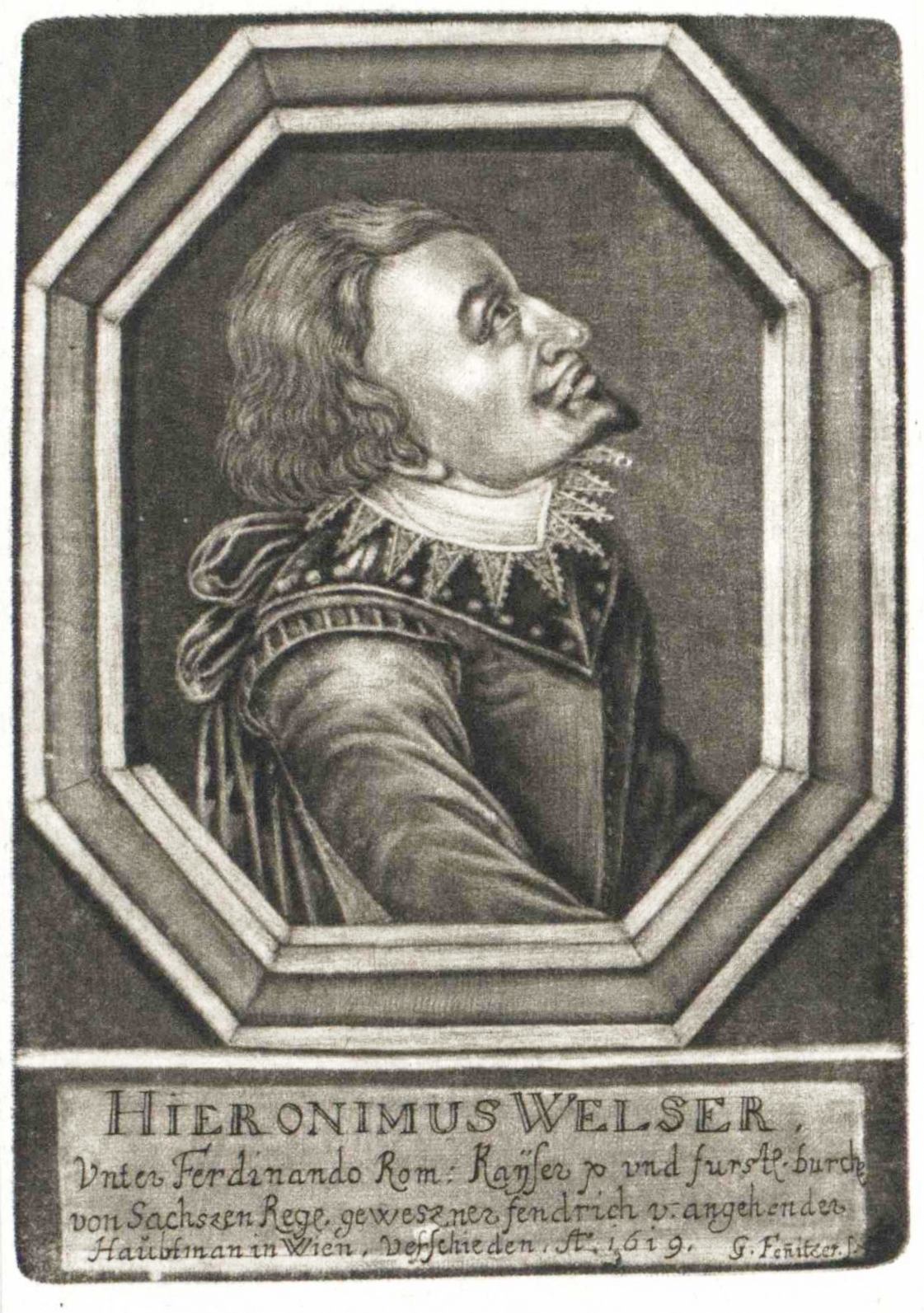
The colony was the most spectacular overreach, but the fatal flaw was structural. A century of lending to the Habsburg emperors had built a mountain of sovereign debt that the emperors had no incentive to repay; Spanish state bankruptcies in 1557 and 1575 each tore away Welser capital. When Philip III of Spain declared bankruptcy in July 1614, the house — too deeply wound into Habsburg credit — collapsed within a week. Marcus Welser, the firm’s last prominent figure and burgomaster of Augsburg, took his own life that June as insolvency became certain. The family survived as minor nobility; the company that had owned a piece of the New World did not.
Worth remembering
- In 1528 the Welser received the province of Venezuela from Charles V as security for imperial debts — the only private merchant house ever granted sovereign rule over a New World territory — and renamed its settlements Neu-Augsburg and Neu-Nürnberg.
- By 1496 the Welser–Vöhlin partnership was the largest merchant-banking establishment in the German lands, trading spices, metals and textiles from Lisbon to Antwerp at peak annual margins above 13%.
Gallery

Sources
- The Welser company went bankrupt in 1614, bound to irrecoverable Habsburg debts; the Augsburg family line died out in 1797 and the Nuremberg branch in 1878, leaving no corporate successor Wikipedia
- The Welser were Renaissance merchant-bankers who obtained colonial rights in Venezuela in 1528 and became bankrupt in 1614 Encyclopaedia Britannica
A graveyard tradition: leave a stone to show you came, and remembered.