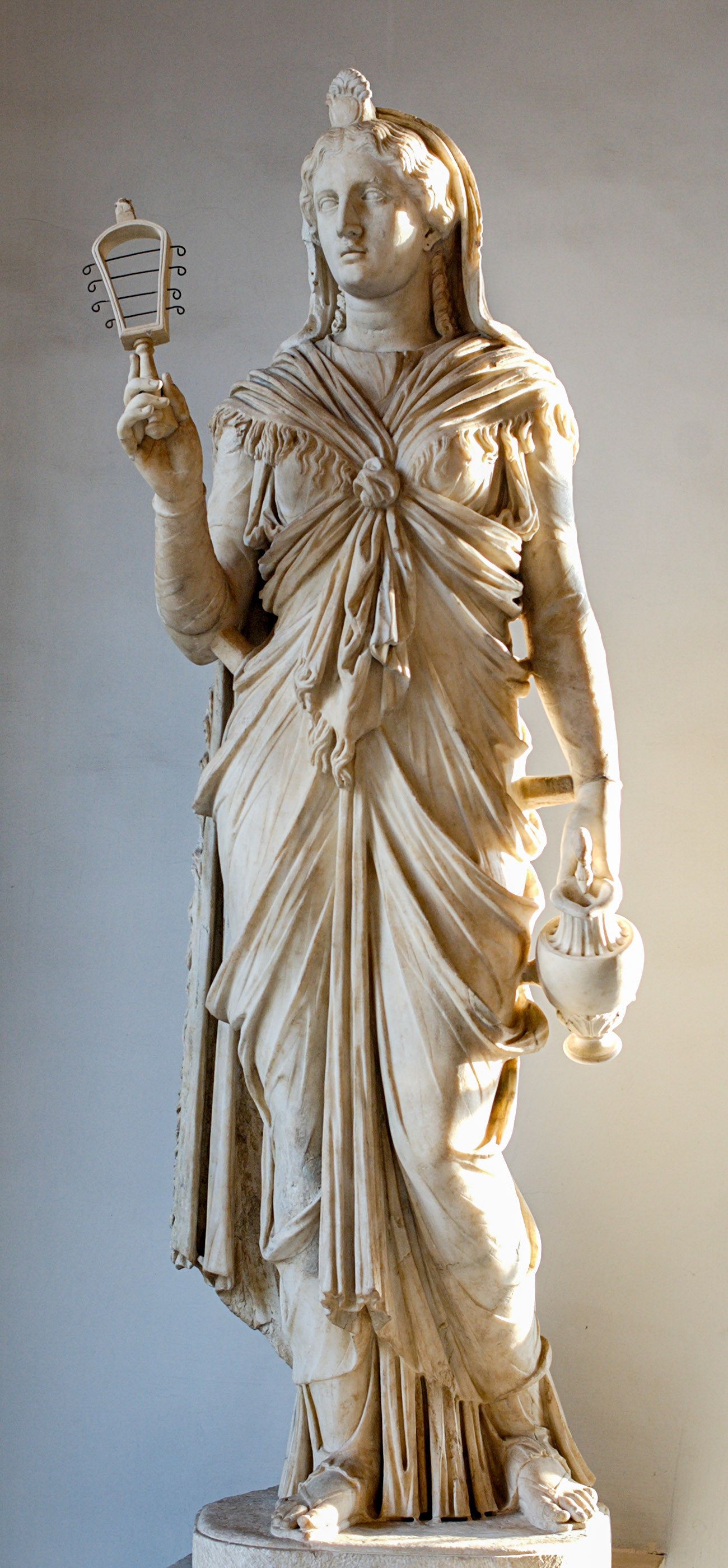
Isis began as one Egyptian goddess among many, attested in the Pyramid Texts by about 2400 BCE as the wife of Osiris and mother of Horus. From the Hellenistic period her cult broke out of Egypt and crossed the Mediterranean. By the first century CE she was worshipped from Alexandria to Asia Minor, Hispania, Gaul and Germania; her Iseum in Rome was rebuilt under Vespasian and Domitian, the temple at Pompeii was reconstructed and left almost intact under the ash of 79 CE, and a flagon found in Southwark records a shrine to her in Londinium. She had mysteries and initiates, a priesthood, and a festival calendar: every 5 March the Navigium Isidis sent a votive ship out to open the sailing season, a rite Apuleius wrote into The Golden Ass in the second century. For several centuries she was among the most widely worshipped deities in the Roman world.
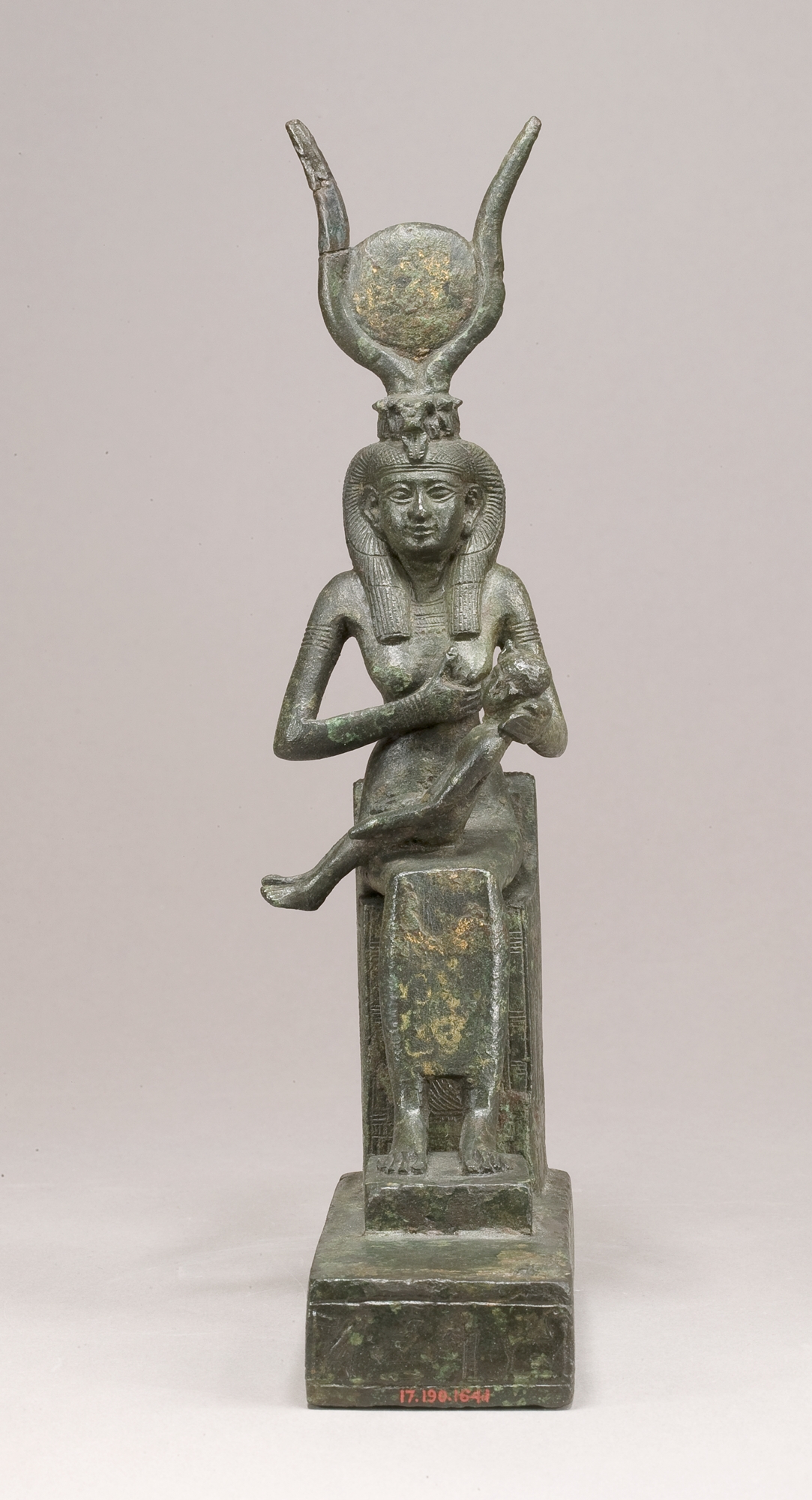
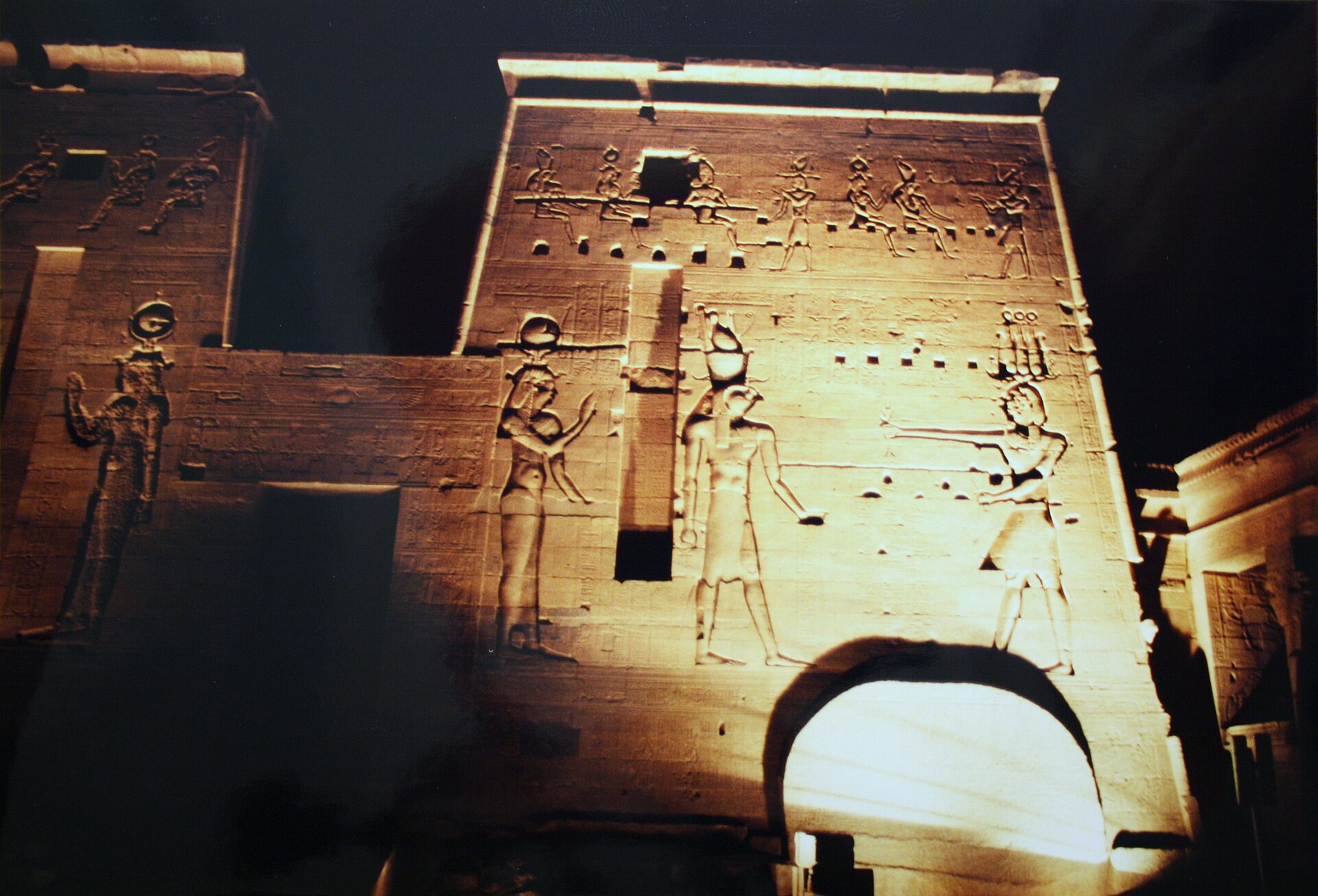
Christianity ended the cult. Imperial law against pagan worship closed temple after temple, and Isis outlasted nearly all of them: her sanctuary at Philae in southern Egypt kept operating into the sixth century, staffed by hereditary priests, until Justinian ordered it shut around 537 CE — the priests imprisoned, the cult statues carried off to Constantinople. That closure is conventionally marked as the end of ancient Egyptian religion. Scholars have noted that some of her epithets and her image — “Queen of Heaven,” the mother nursing her child (Isis lactans) — reappear in later depictions of the Virgin Mary. That is iconographic influence and echo, the reuse of a familiar form by the religion that displaced her. It is not the survival of her worship. No one sails a ship for Isis on 5 March, and Philae has received no prayer to her in roughly fifteen hundred years.
Worth remembering
- Her temples (Iseums) stood across the empire from Alexandria to Pompeii, Rome and Londinium; a 1st-century flagon from Southwark in London is inscribed LONDINI AD FANVM ISIDIS, 'To London, at the temple of Isis.'
- Each 5 March her followers held the Navigium Isidis, launching a votive ship onto the sea to open the sailing season — the festival ran from the 1st to the 6th century CE and is described by Apuleius in The Golden Ass.
- Her last functioning major temple, Philae in southern Egypt, was closed on Justinian's orders c. 537 CE, with the priests jailed and the sacred images sent to Constantinople.
Gallery
Sources
- Temples to Isis were built throughout the Roman Empire from Germania to Gaul, Hispania and Asia Minor, with cult sites attested as far as Pompeii and Londinium; her Iseum in Rome was built under Vespasian and Domitian (69–96 CE). World History Encyclopedia
- Evidence for a temple of Isis in Roman London comes from a 1st-century flagon found at Southwark inscribed LONDINI AD FANVM ISIDIS ('To London, at the temple of Isis'), confirmed by a 3rd-century altar recording the temple's restoration after it had 'fallen down through old age.' HeritageDaily
- The Navigium Isidis, held annually on 5 March, opened the sailing season with a procession that launched a ship dedicated to Isis as Isis-Pelagia, protector of sailors; it is described in detail in Apuleius' 2nd-century novel Metamorphoses (The Golden Ass). Wikipedia
A graveyard tradition: leave a stone to show you came, and remembered.