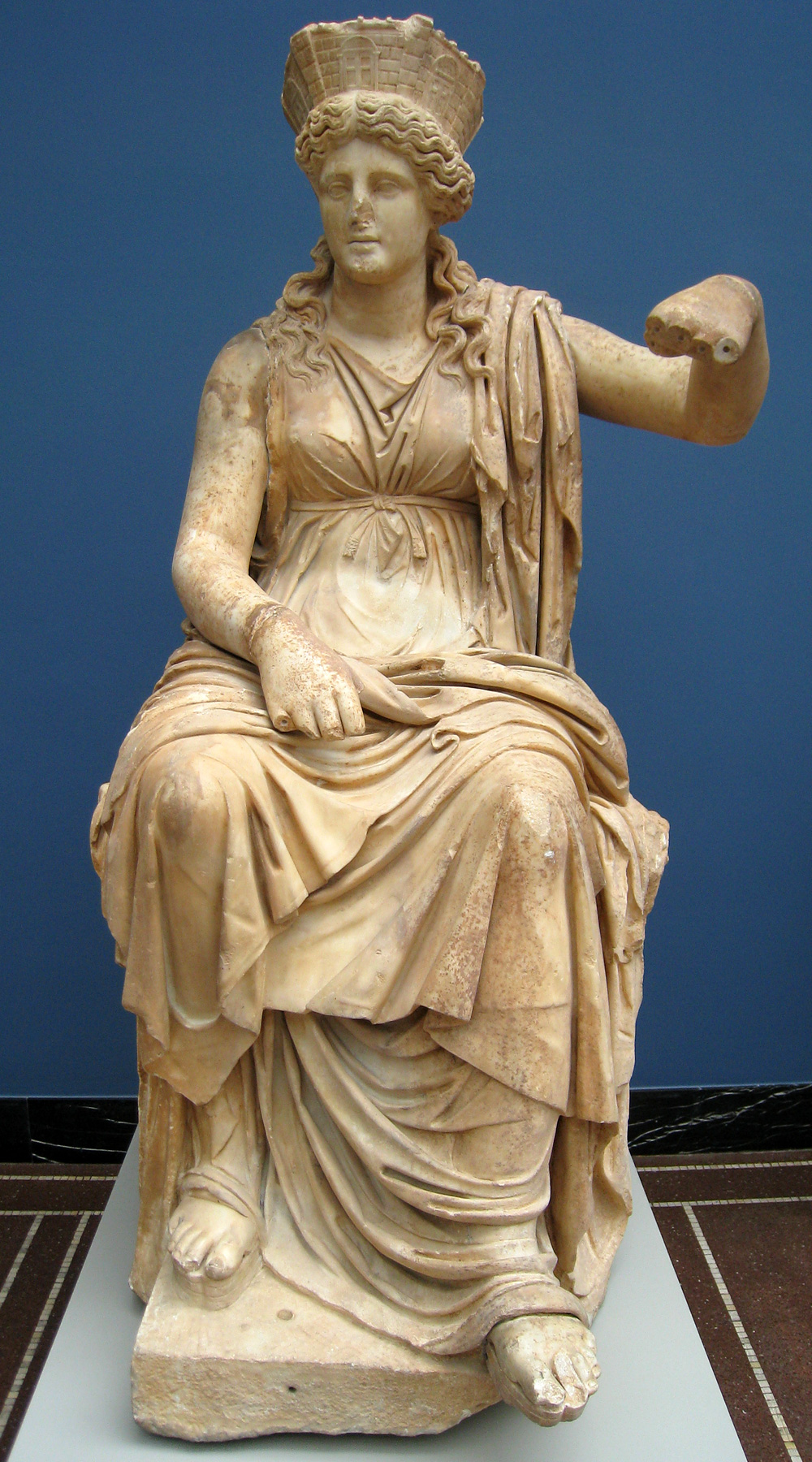
Cybele was worshipped in Anatolia long before Rome existed, named “Matar Kubileya,” the Mountain Mother, in a Phrygian inscription from the first half of the 6th century BCE. In 204 BCE, with Hannibal still in Italy, the Sibylline Books told Rome that a foreign mother would end the war. The Senate sent envoys to Asia Minor and brought back the goddess in physical form: a black meteoric stone. Publius Cornelius Scipio Nasica received her at Ostia, matrons carried her to the Temple of Victoria, and a temple was raised for her on the Palatine Hill. She became an official state cult with her own April festival, the Megalensia, of theatrical performances and chariot races. Her priests, the galli, were eunuchs who castrated themselves in imitation of her consort Attis; Roman citizens were forbidden to do the same. From the 160s CE initiates could undergo the taurobolium instead, descending into a pit to be soaked in the blood of a bull killed on a grating above them.
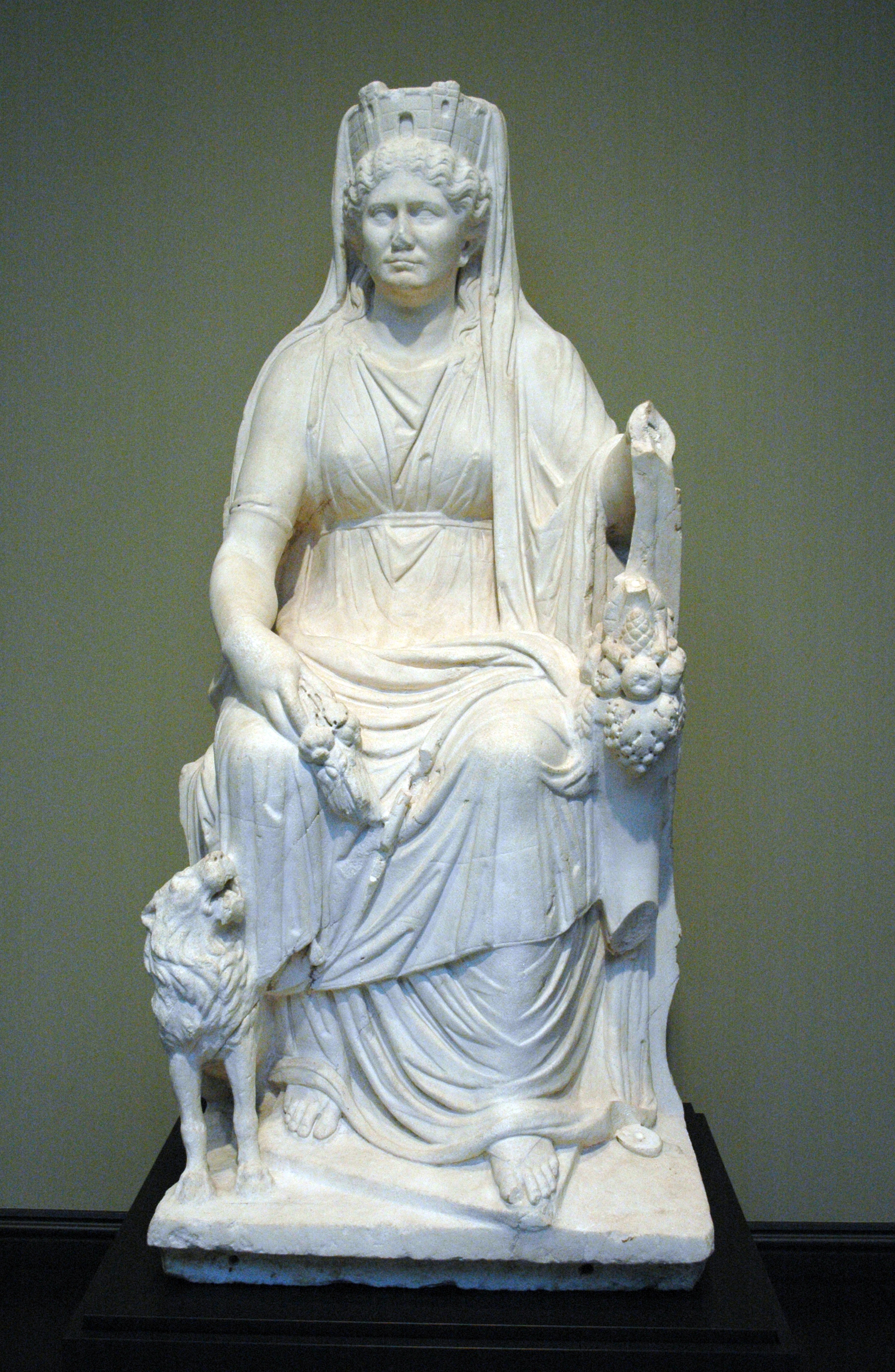
The cult ran for nearly six centuries and then stopped. The anti-pagan edicts of Theodosius I in 391 and 392 CE banned sacrifice and ordered the temples closed; the taurobolium and the galli priesthood did not survive the change of religion. The black stone is lost. What remains is stone of another kind: the enthroned Cybele from Formia sits in the Ny Carlsberg Glyptotek in Copenhagen, and a Roman Cybele with her lion and mural crown stands in the Getty Museum in Los Angeles. People walk past her marble in museums. Nobody pours bull’s blood for her anymore.
Worth remembering
- In 204 BCE, on the advice of the Sibylline Books during the war with Hannibal, Rome shipped the goddess's black meteoric stone from Pessinos in Asia Minor and received it at Ostia; her temple was built on the Palatine Hill.
- Her priests, the galli, were eunuchs who castrated themselves in imitation of Attis; from the 160s CE worshippers could instead undergo the taurobolium, standing in a pit to be drenched in the blood of a sacrificed bull.
Gallery
Sources
- A black meteorite representing the goddess was brought to Rome from Asia Minor in 204 BCE during the Second Punic War; her cult lasted until the 4th century CE, when Christianity displaced it. World History Encyclopedia
- The Sibylline Books advised importing Cybele's black meteoric stone from Pessinos; all her priests, the Galli, were eunuchs who practised voluntary self-castration, and from the 160s CE initiates could substitute a taurobolium bull sacrifice. Wikipedia
- The marble statue of Cybele enthroned with a lion from Formia (c. 60 BCE) is held at the Ny Carlsberg Glyptotek, Copenhagen. World History Encyclopedia
A graveyard tradition: leave a stone to show you came, and remembered.