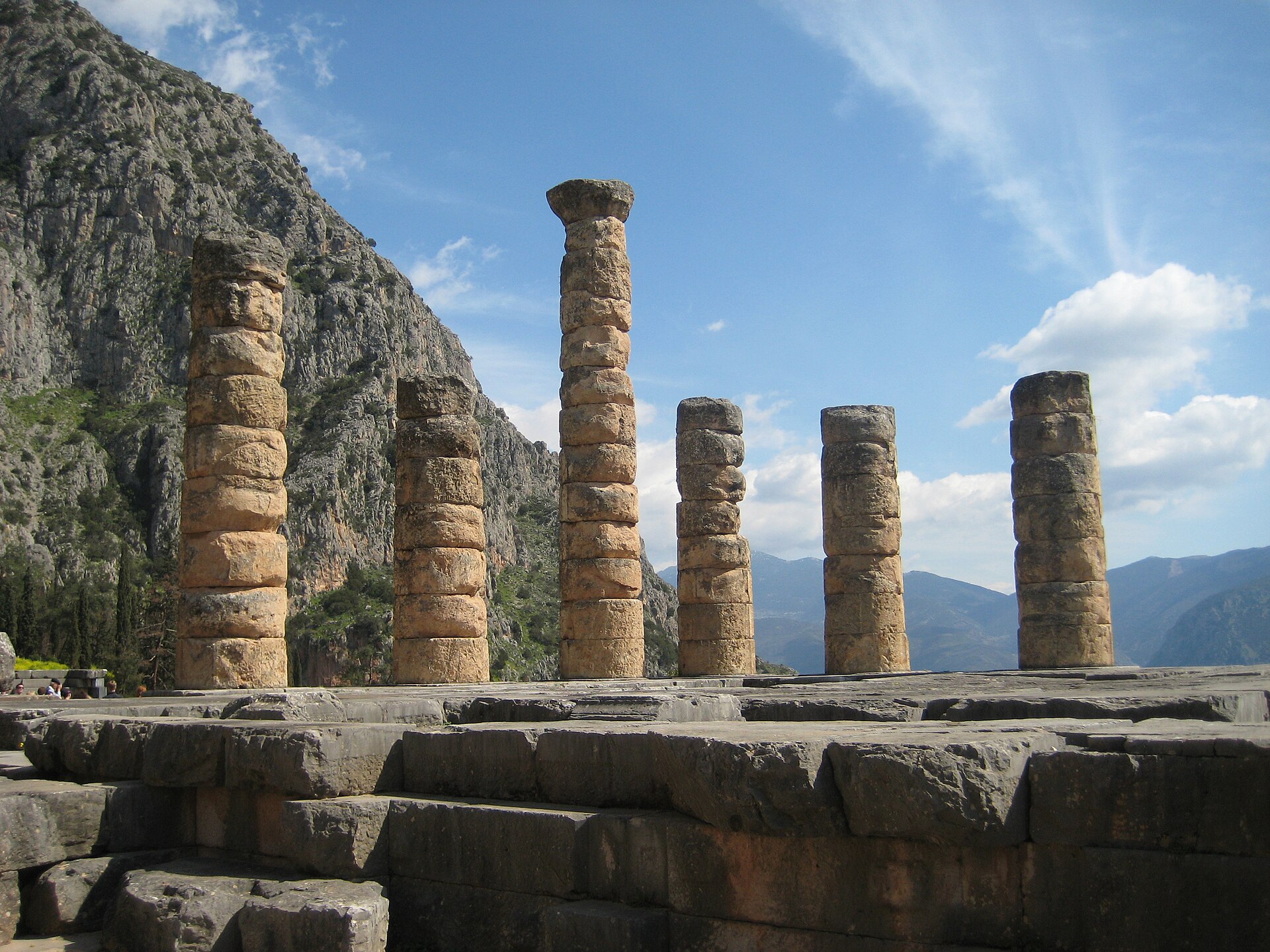
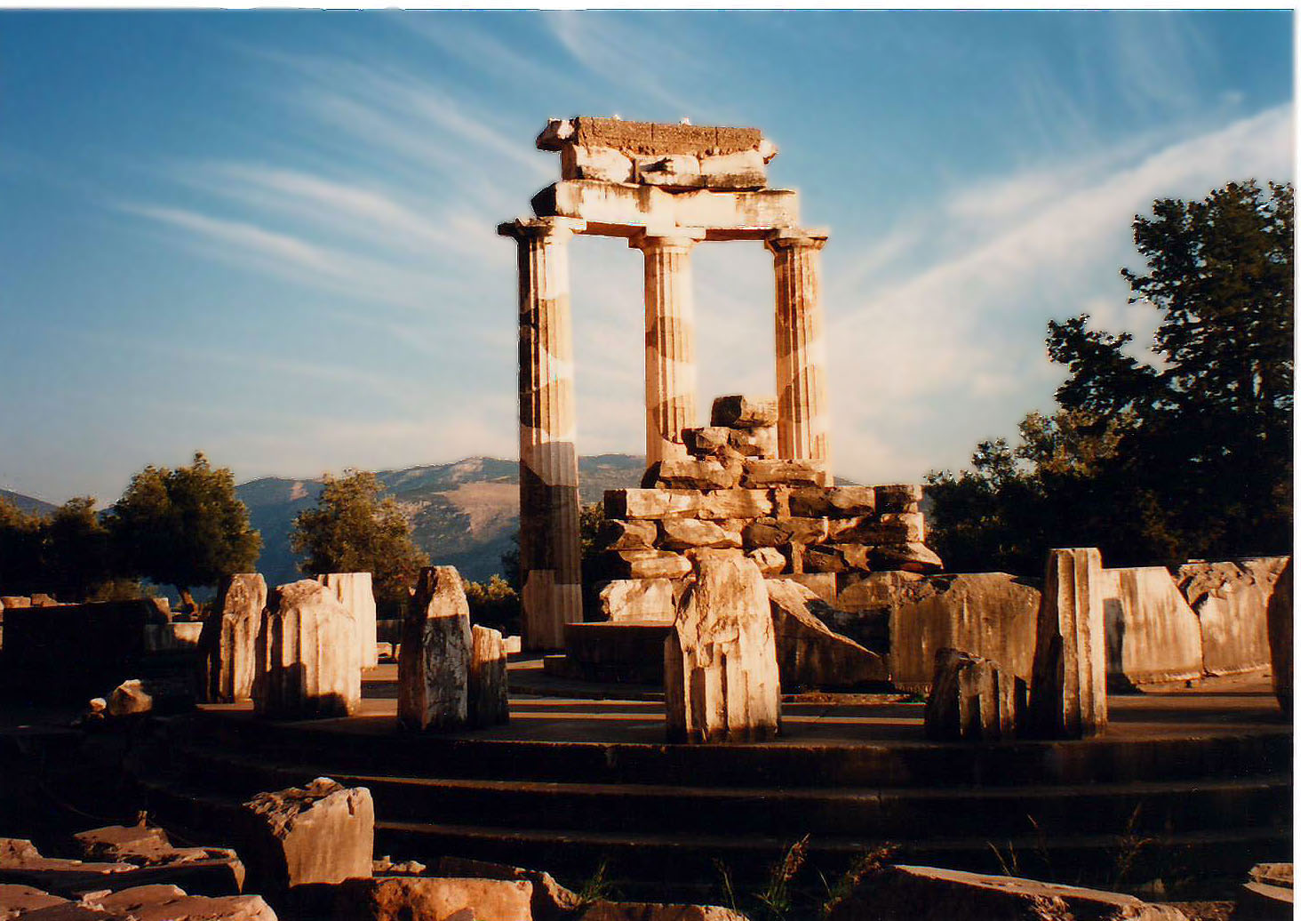
For more than a thousand years Apollo’s oracle at Delphi was the closest thing the fractured Greek world had to a single authority. The sanctuary held religious weight from around 800 BCE, and by the 8th century the Pythia was already drawing visitors from across the Aegean. Cities did not found a colony or march to war without sending to ask; her answers, delivered in trance and turned into hexameter verse, shaped laws, alliances and the placement of new settlements from Sicily to the Black Sea. The site carried the inscription “know thyself,” ran the Pythian Games in his honour every four years, and anchored a Panhellenic cult that reached from his birth-island of Delos to temples at Didyma and Corinth. Sparta, Athens, Croesus of Lydia, and the founders of colonies all paid for the god’s word and acted on it.
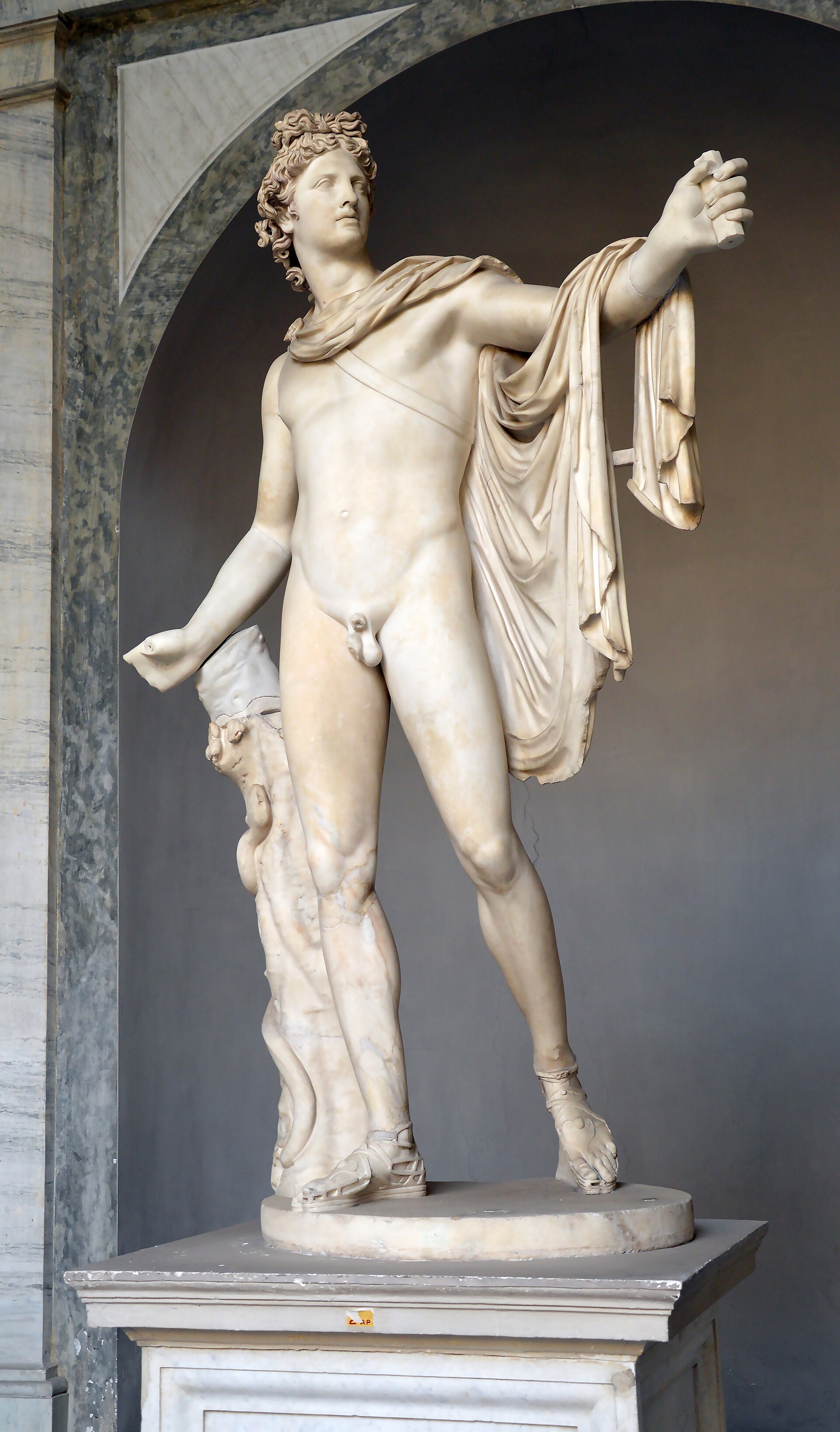
The cult did not fade; it was shut down. The anti-pagan edicts of Theodosius I in 391–392 banned sacrifice and closed the temples, and in 393 he ended the pagan games in Greece and ordered the sanctuaries closed. Delphi’s oracle went quiet; the reputed last response, sent to an envoy of the emperor Julian around 362, was a report of the god’s own silence — the spring stilled, the laurel gone. The temple was stripped and a Christian community moved onto the site, which was abandoned by the 7th century. Apollo’s statues outlasted his worship: the Apollo Belvedere in the Vatican, a 2nd-century CE Roman marble after a bronze attributed to Leochares, remains one of the most copied figures in Western art, studied and reproduced for five centuries. The god those images depict is prayed to by no one.
Worth remembering
- At Delphi a priestess, the Pythia, delivered prophecies for cities and kings, who consulted Apollo before founding colonies or going to war; her cryptic answers, often cast in hexameter, were interpreted by priests, and the sanctuary bore the maxim 'know thyself.'
- The reputed final Delphic response, delivered to Oribasius, physician of the emperor Julian (r. 361–363), reported the god's silence: 'Tell the king the fair-wrought hall has fallen to the ground. Phoebus no longer has his house, nor mantic laurel, nor prophetic spring; the water that once spoke is stilled.'
Gallery
Sources
- Apollo's oracle at Delphi was the most important in the Greek world; it was already well-visited by the 8th century BCE, and its Pythia's prophecies influenced laws, foreign wars and colonisation plans. World History Encyclopedia
- The Delphic sanctuary acquired religious significance around 800 BCE; in 393 CE Theodosius ended all pagan games in Greece and ordered pagan sanctuaries closed, beginning Delphi's decline before its abandonment in the 7th century CE. World History Encyclopedia
- The temple at Delphi survived until c. 390 CE, when the emperor Theodosius I silenced the oracle and removed the traces of paganism; the reputed last oracle was delivered to an envoy of the emperor Julian. Wikipedia
A graveyard tradition: leave a stone to show you came, and remembered.