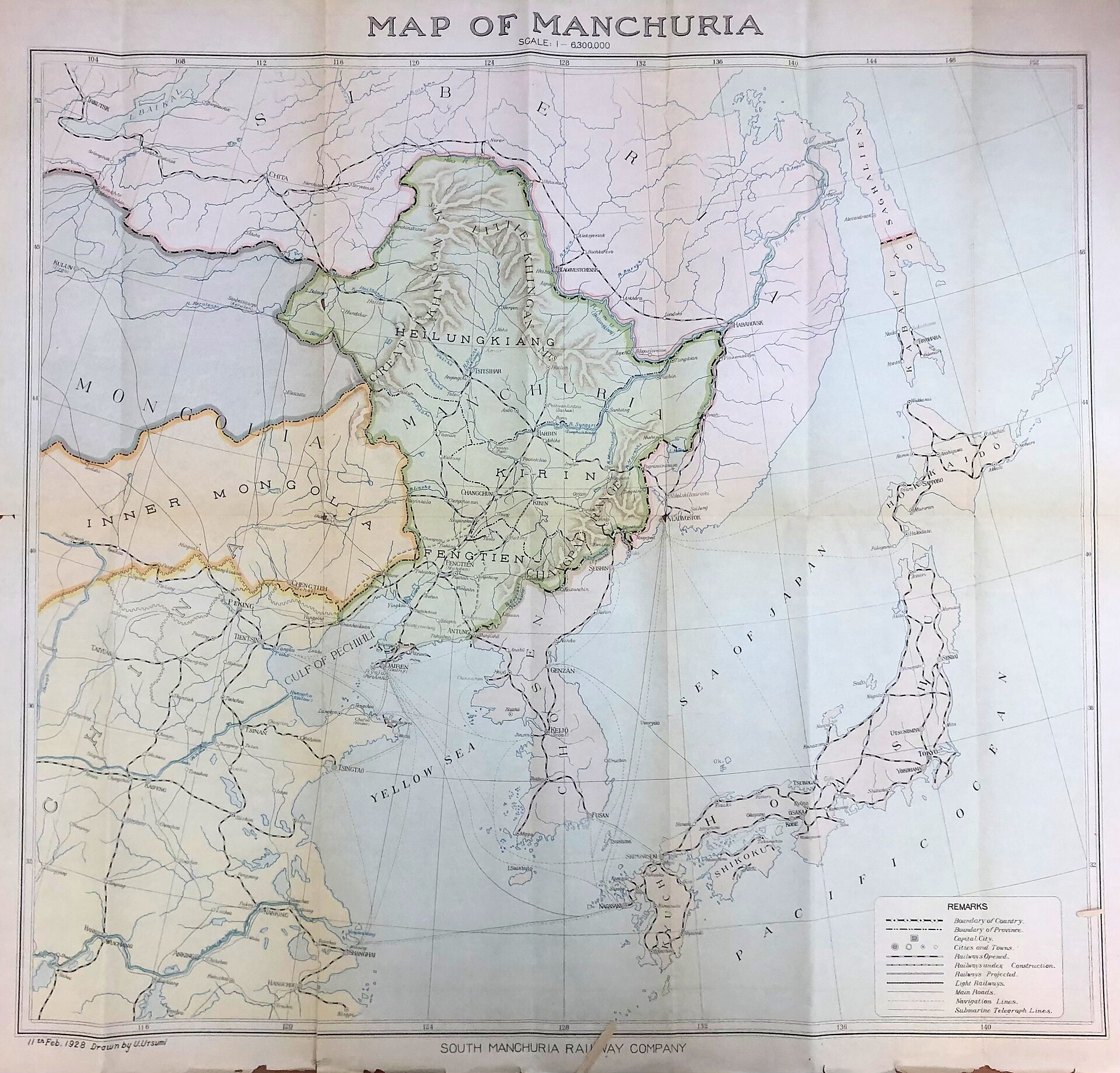
The South Manchuria Railway Company was chartered in 1906 out of the spoils of the Russo-Japanese War, taking over the rail line Japan had just won from Russia. It quickly became something far larger than a railway: a state-backed conglomerate that effectively ran Manchuria. Under its control were the Fushun coal mines, the Anshan steelworks, harbours, hotels, airlines, electricity, newspapers, and a famous research bureau that doubled as an intelligence service. At its height it employed around 340,000 people and held seventy-one subsidiary firms across a territory two and a half times the size of Japan itself. Its Asia Express was the fastest train in Asia and a piece of imperial theatre. For four decades it was the machinery of Japanese power on the mainland.
That is why its death is filed under conquest rather than failure. Mantetsu did not collapse — it was dismantled with the empire it served. When Japan surrendered in 1945, Soviet forces stripped its assets and carried much of the rolling stock and plant away as reparations; what remained was handed to a joint Sino-Soviet railway and then, in 1952, to the People’s Republic. The Tokyo office lingered only to wind up accounts, closing in 1957. A company that had governed a region larger than most nations left no successor at all — its tracks now run under a Chinese state that owes it nothing.
Worth remembering
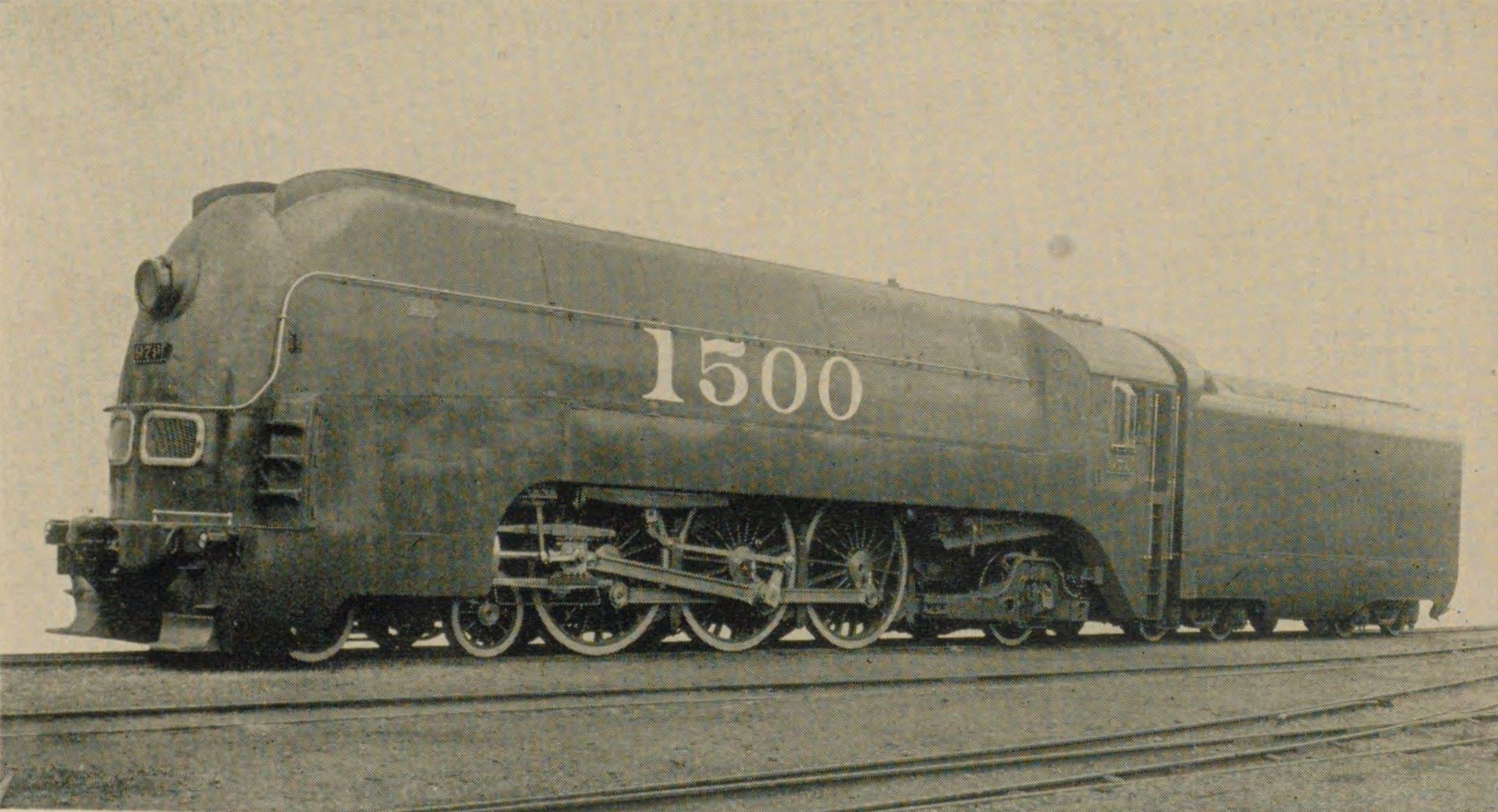
- Its 1934 Asia Express ran Dairen to Hsinking in eight and a half hours at up to 120 km/h — the first fully air-conditioned express train in Asia, and a showpiece for the puppet state of Manchukuo, printed on its postage stamps.
- It was less a railway than a shadow state: seventy-one subsidiary companies — the Fushun coal mines, the Anshan steelworks, airlines, hotels, harbours and a celebrated research bureau — across a zone two and a half times the size of Japan, which earned it the name 'Japan's East India Company.'
Gallery
Sources
- The South Manchurian Railway Company was established in 1906 as Japan's chief instrument for the economic exploitation of Manchuria; under the 1945 Yalta agreements its railway was transferred to joint Soviet-Chinese control, with full Chinese control restored in 1952 Encyclopaedia Britannica
- Mantetsu was established on 26 November 1906 by Imperial Ordinance No. 142 to manage the interests Japan acquired from Russia after the Russo-Japanese War Japan Center for Asian Historical Records, National Archives of Japan
- By the end of the war the company controlled 71 subsidiary firms and employed some 340,000 people across transport, steel, coal, airlines, hotels, telecoms and media The Japan Society (review of Kiyofumi Kato, A Comprehensive History of the South Manchurian Railway Company)
A graveyard tradition: leave a stone to show you came, and remembered.