
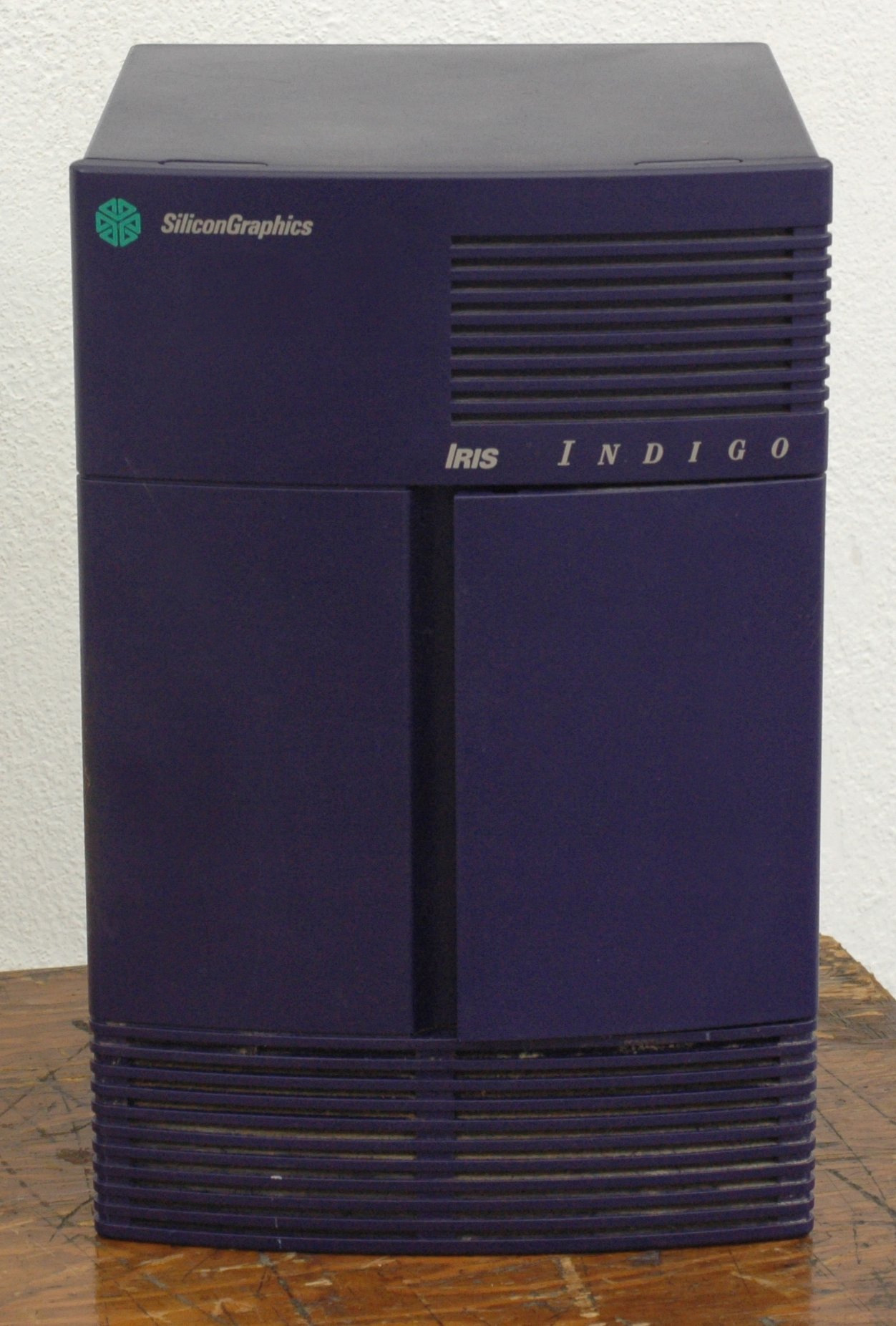
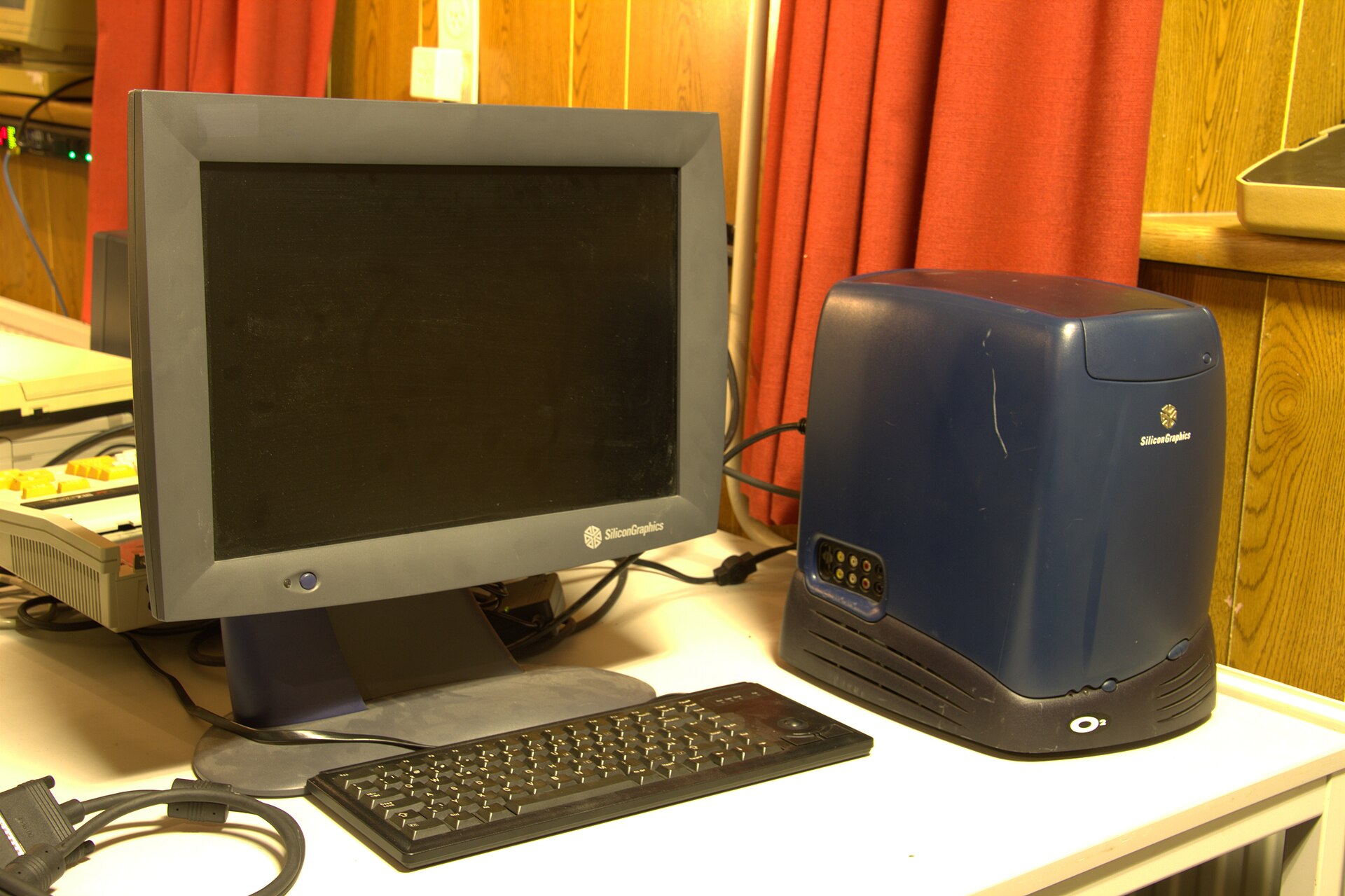
Silicon Graphics (SGI), founded by Jim Clark in Mountain View, California in 1982, built the high-performance workstations that powered 3D graphics and visualization in the 1990s. Its machines rendered the dinosaurs of Jurassic Park, the effects of Terminator 2, and scientific and engineering simulations worldwide, and its IRIX and OpenGL technology set industry standards. As commodity PCs with cheap graphics cards caught up in performance, SGI’s expensive proprietary systems lost their edge. Strategic missteps and competition from Intel and Nvidia eroded its business through the 2000s. The company filed for Chapter 11 bankruptcy on April 1, 2009, listing $526 million in debt, and Rackable Systems bought its assets and name for about $25 million.
Worth remembering
- Its workstations rendered the visual effects for Jurassic Park, Terminator 2, and Toy Story.
- Founder Jim Clark left in 1994 to co-found Netscape, helping launch the web boom that bypassed SGI.
Gallery
Sources
- Silicon Graphics filed for bankruptcy in 2009 and its assets were acquired by Rackable Systems Wikipedia
- SGI's high-end graphics workstations were used for films like Jurassic Park and Terminator 2 The New York Times
- Silicon Graphics filed for Chapter 11 bankruptcy on April 1, 2009, listing $526 million in debt and selling its assets to Rackable Systems for $25 million—a company whose revenues had peaked at roughly $4 billion a year a decade earlier. TechCrunch
A graveyard tradition: leave a stone to show you came, and remembered.