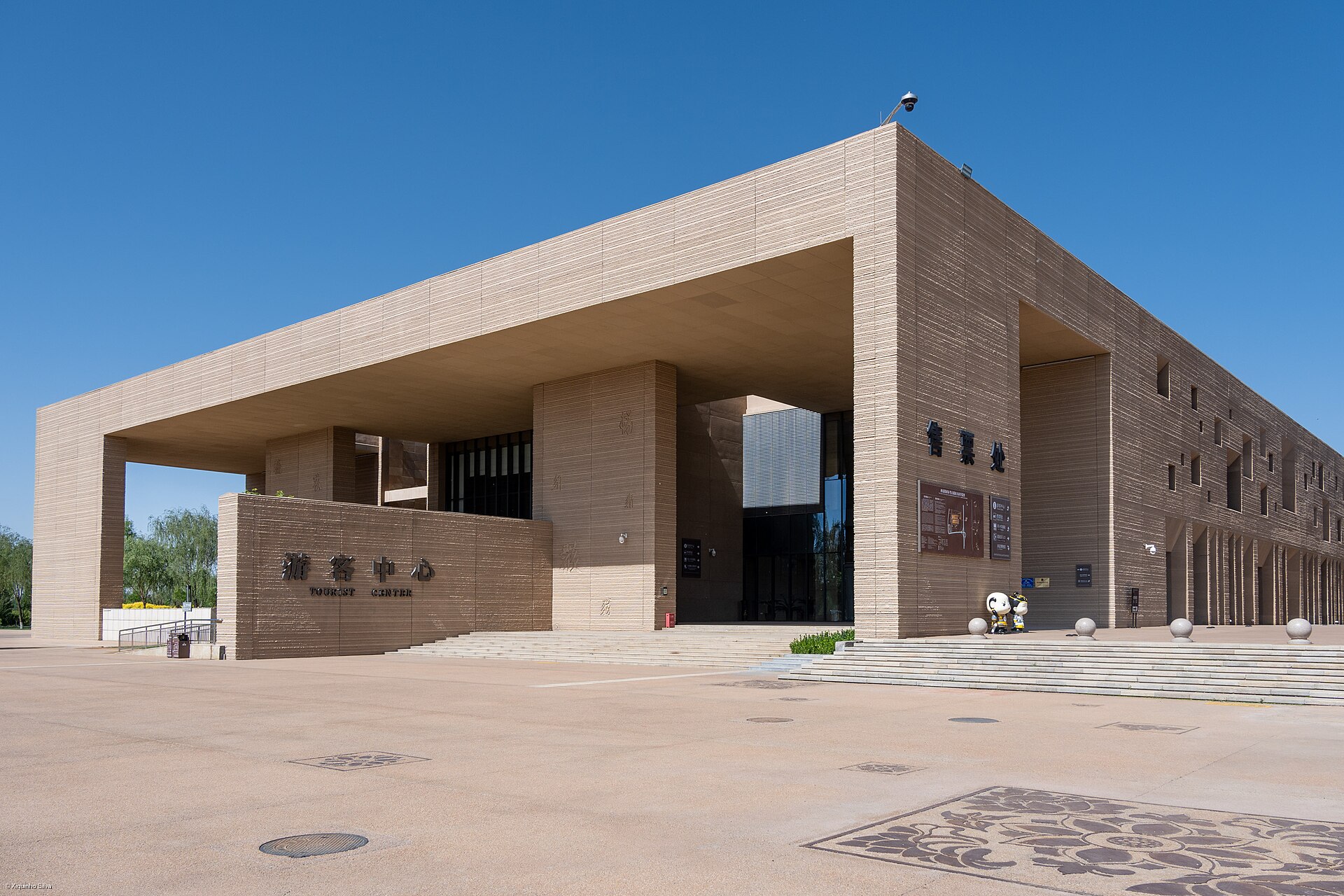
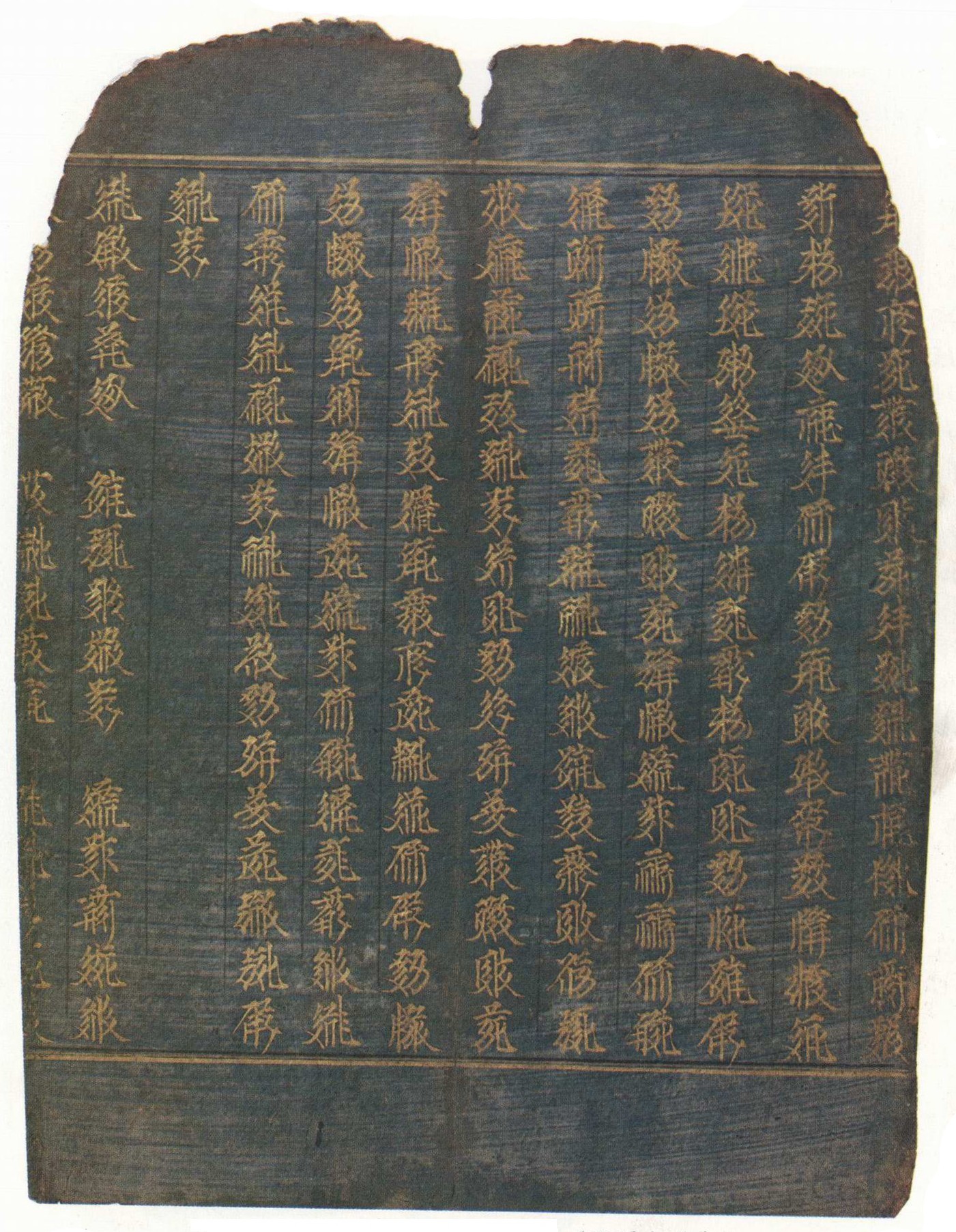
In 1038 the Tangut leader Li Yuanhao declared himself emperor and proclaimed the state of Xi Xia, formalising a power that had been building in the northwest for decades. From the Hexi corridor in modern Ningxia and Gansu, the Western Xia sat astride the Silk Road and taxed the trade between Central Asia and China. The Tangut state was its own thing: Buddhism as state religion, a distinct court, and around 1036 a writing system invented to order — close to 6,000 dense logographic characters, built to look unlike Chinese. They printed sutras, dictionaries, the Confucian classics, and law codes in it. For roughly 190 years the Western Xia held a three-way balance against the much larger Song to the east and the Liao and then Jin to the north, surviving by a mix of cavalry, tribute, and shifting alliances. At its height around 1100 it covered on the order of 1,000,000 km² with a population near 3 million.
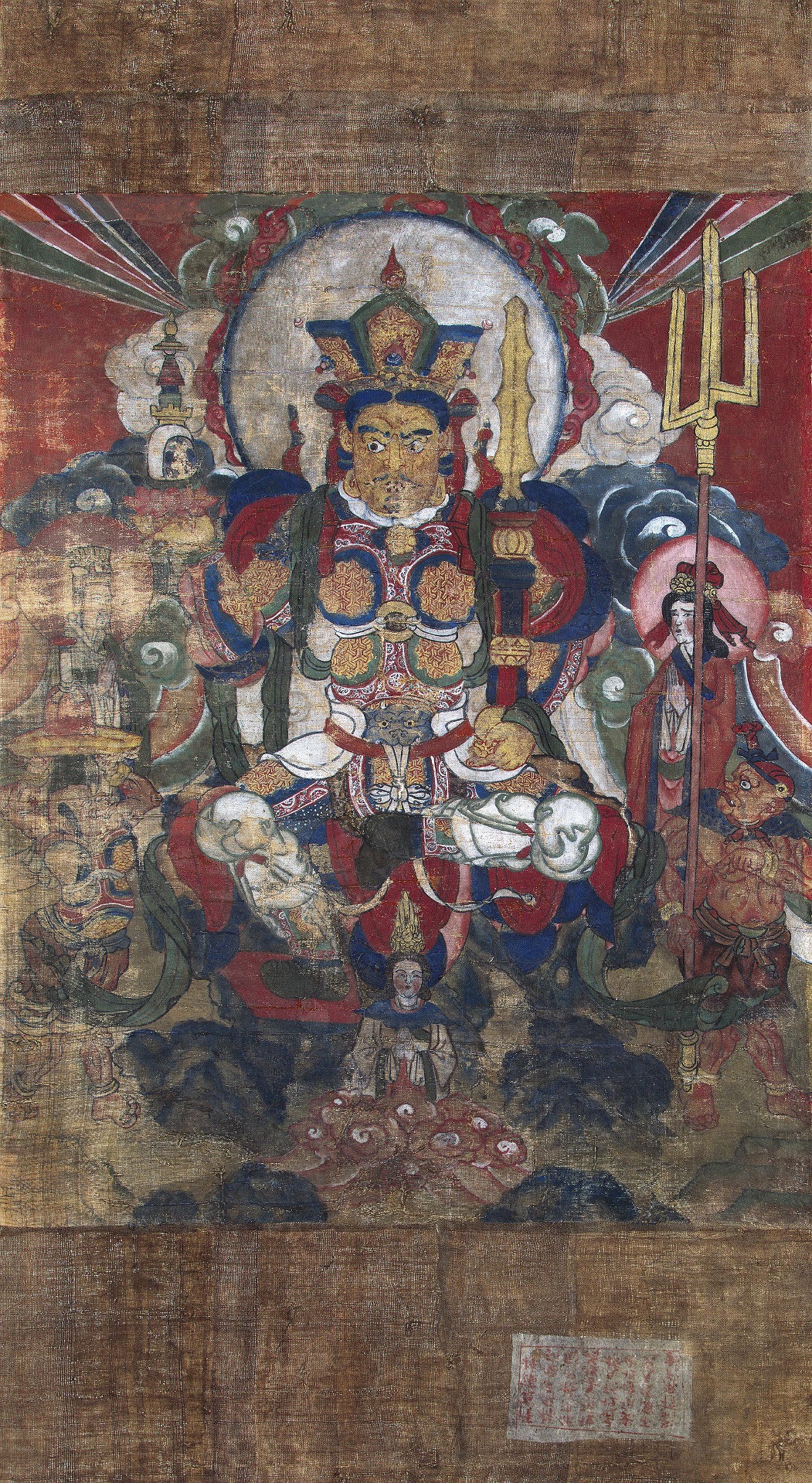
The Mongols ended it. After earlier campaigns forced submission, Western Xia broke from Mongol vassalage, and Genghis Khan returned in 1225 for a campaign of deliberate destruction — cities razed, countryside ruined, written records burned. The capital Xingqing (modern Yinchuan) was besieged through 1227 and its population massacred; Genghis Khan died during the campaign that August. The Tangut people were scattered and assimilated, and their literate culture was wiped out so thoroughly that the script they had invented became unreadable. It stayed that way for about 700 years: a Qing scholar re-identified Tangut writing only in 1804, and decipherment came after Pyotr Kozlov’s 1908–09 excavation of a stupa at the abandoned fortress of Khara-Khoto, which yielded roughly 2,000 Tangut manuscripts now split between St. Petersburg and Beijing. A civilization that wrote itself down in its own letters was still nearly silenced — readable today only because one buried stupa survived the erasure.
Worth remembering
- The Tanguts invented their own writing system around 1036 — close to 6,000 logographs, deliberately distinct from Chinese — and printed Buddhist sutras, dictionaries, and the Confucian classics in it. After 1227 almost no one could read it; the script stayed effectively silent until a Qing scholar re-identified it in 1804 and the Khara-Khoto finds (Kozlov's 1908–09 excavation of a stupa, ~2,000 Tangut texts) reopened it in the 20th century.
- From the Hexi corridor the Western Xia taxed Silk Road traffic and held off the Song and Liao/Jin for ~190 years through a three-way balance of war, tribute, and diplomacy — then the Mongols under Genghis Khan ground them down between 1225 and 1227, sacking the capital Xingqing (modern Yinchuan) and massacring its population.
Gallery
Sources
- The Tangut script, comprising about 6,000 logographs, was created around 1036 under Li Yuanhao; the Western Xia held the Hexi corridor of the Silk Road, were annihilated by the Mongols in 1227, and the language lay dead for centuries until a Qing scholar re-identified it in 1804. Macao Magazine
- The Tangut script was created not long before 1038; the Mongol invasions of 1215 and 1227 destroyed the Tangut state and its population was assimilated into the Mongol Empire or Tibetan areas; Khara-Khoto's cache of Buddhist texts and images was excavated by the Kozlov expedition. Rubin Museum of Art
- Western Xia was founded in 1038 by Li Yuanhao, peaked around 1100 controlling roughly 1,000,000 km² with a population near 3,000,000, balanced the Song and Liao/Jin while holding the Hexi corridor of the Silk Road, and was destroyed by the Mongols in 1227 with Genghis Khan dying during the campaign. Wikipedia
A graveyard tradition: leave a stone to show you came, and remembered.