A thousand-year merchant republic of doges that ruled the seas, sacked Constantinople in the Fourth Crusade of 1204, and was snuffed out without a fight when Napoleon arrived in 1797.
Born
697 CE
Died
1797 CE
Lived
1,100 years
Dead for
229 yrs
Cause of death
Conquest
Replaced by
Habsburg Austria, then the Kingdom of Italy
The Obituary
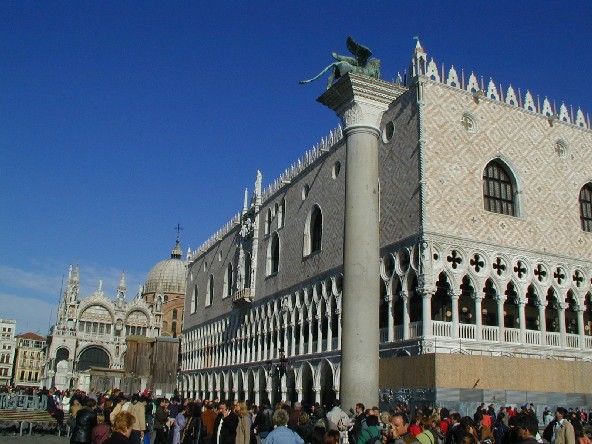
Built on lagoon islands, Venice grew into a republic of merchants whose fleets dominated Mediterranean trade and whose elected doges presided over a tightly controlled oligarchy. It seized colonies across the Adriatic, the Aegean, and Cyprus, and helped divert the Fourth Crusade to sack Constantinople in 1204. The opening of Atlantic trade routes and Ottoman pressure slowly eroded its power over later centuries. When Napoleon’s armies reached the lagoon in 1797, the exhausted republic capitulated without resistance, its last doge abdicating after eleven hundred years of independence.
Worth remembering
Its Arsenal shipyard could reportedly assemble a galley in a single day at peak output.
Venice and Genoa fought repeated wars for control of Mediterranean and Black Sea trade.
Gallery
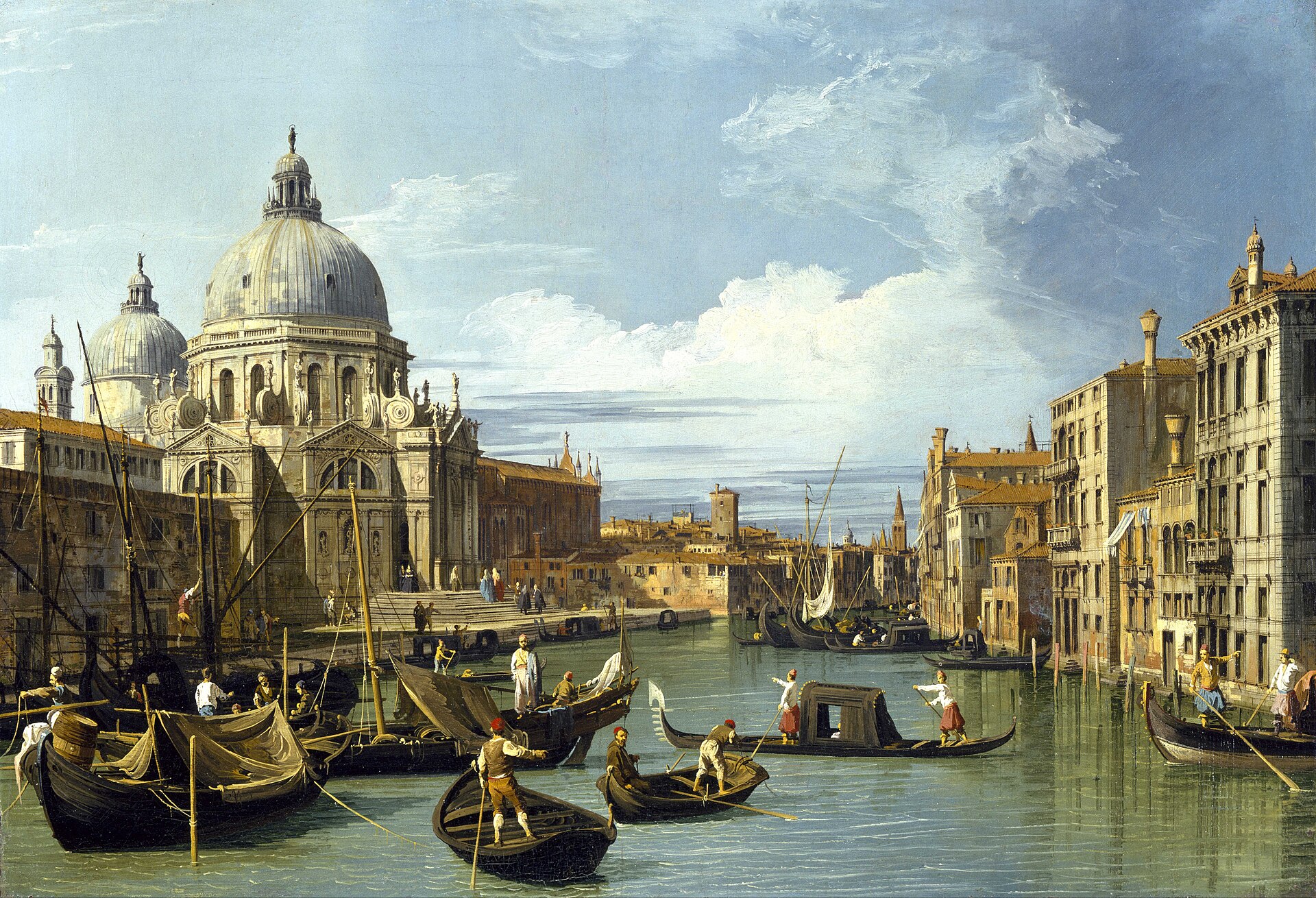
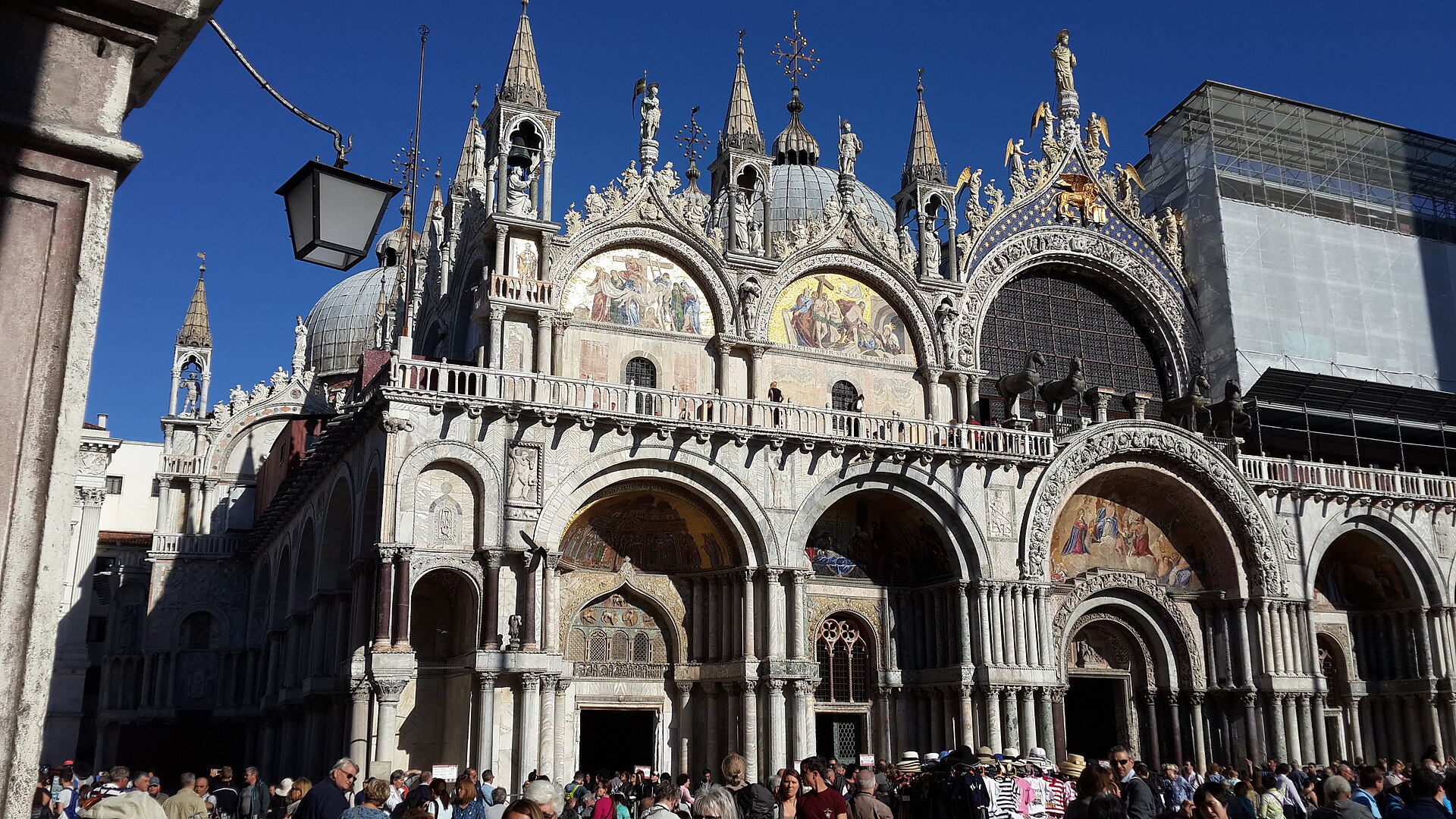
Canaletto's view of the entrance to the Grand Canal, Venice, painted during the Venetian RepublicPublic domainThe west facade of St Mark's Basilica, the state church of the Republic of VeniceYair Haklai · CC BY-SA 4.0
Watch
Venice and the Ottoman Empire — Crash Course World History 19
Sources
Republic of Venice traditionally dated from the first doge c. 697 CE Wikipedia
The Arsenale, established in 1104, operated as a government-run assembly-line shipyard producing prefabricated warships and weapons for eight centuries — a model of industrial organisation centuries ahead of its time World History Encyclopedia
Venice and Doge Enrico Dandolo diverted the Fourth Crusade to sack Constantinople in April 1204, stripping the Byzantine capital of its wealth and dividing its territories between Venice and its allies World History Encyclopedia
A graveyard tradition: leave a stone to show you came, and remembered.
Buried nearby — by shared fate or a neighbouring lifespan.