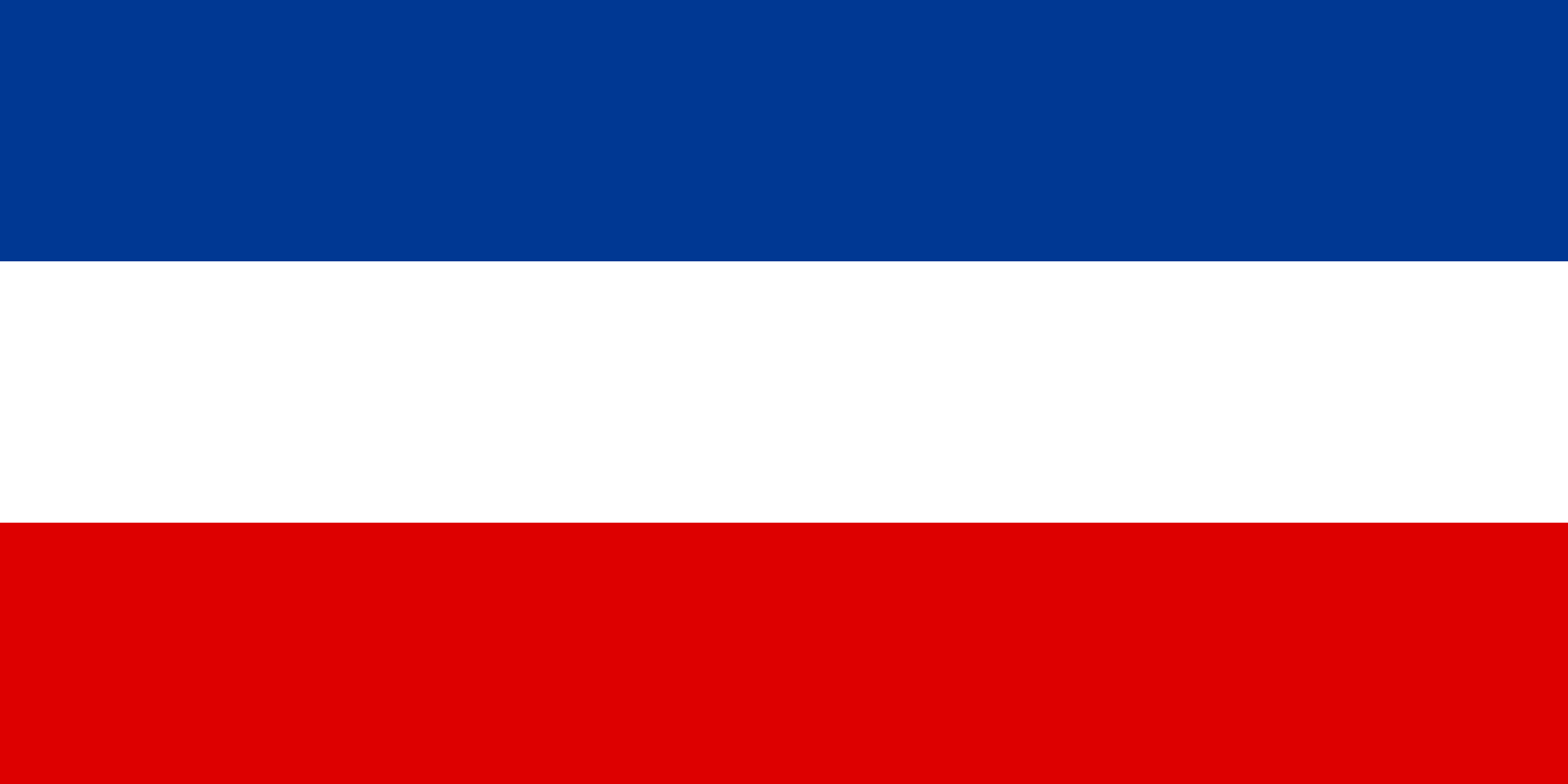
Serbia and Montenegro — first the Federal Republic of Yugoslavia under Slobodan Milošević — was what was left when Yugoslavia finished breaking apart. After Slovenia, Croatia, Bosnia, and Macedonia seceded in 1991–92, the two remaining republics declared themselves the Federal Republic of Yugoslavia — the rump state, claiming the old country’s mantle. Under Slobodan Milošević it became the central actor in the wars of the Yugoslav breakup, a pariah under international sanctions, and in 1999 the target of a NATO bombing campaign over Kosovo. Milošević was finally voted out and handed to a war-crimes tribunal, and in 2003 the federation was reconstituted, more loosely, as the State Union of Serbia and Montenegro — and the word “Yugoslavia” disappeared from the map.
That looser union was built to come apart. Its founding charter let either republic hold an independence referendum after three years, and Montenegro, long the junior partner, took the opening as soon as it opened. On 21 May 2006 it voted on independence, and the result was about as close as a result can be: 55.5 percent in favour, just over the 55 percent the European Union had set as the threshold. Montenegro declared independence on 3 June, Serbia followed on 5 June as the continuator state, and the union dissolved into two sovereign countries. There was no war this time and no conquest — just a narrow vote that ended the last political entity to carry the Yugoslav idea, eighty-eight years after the first South Slav state was founded.
Worth remembering
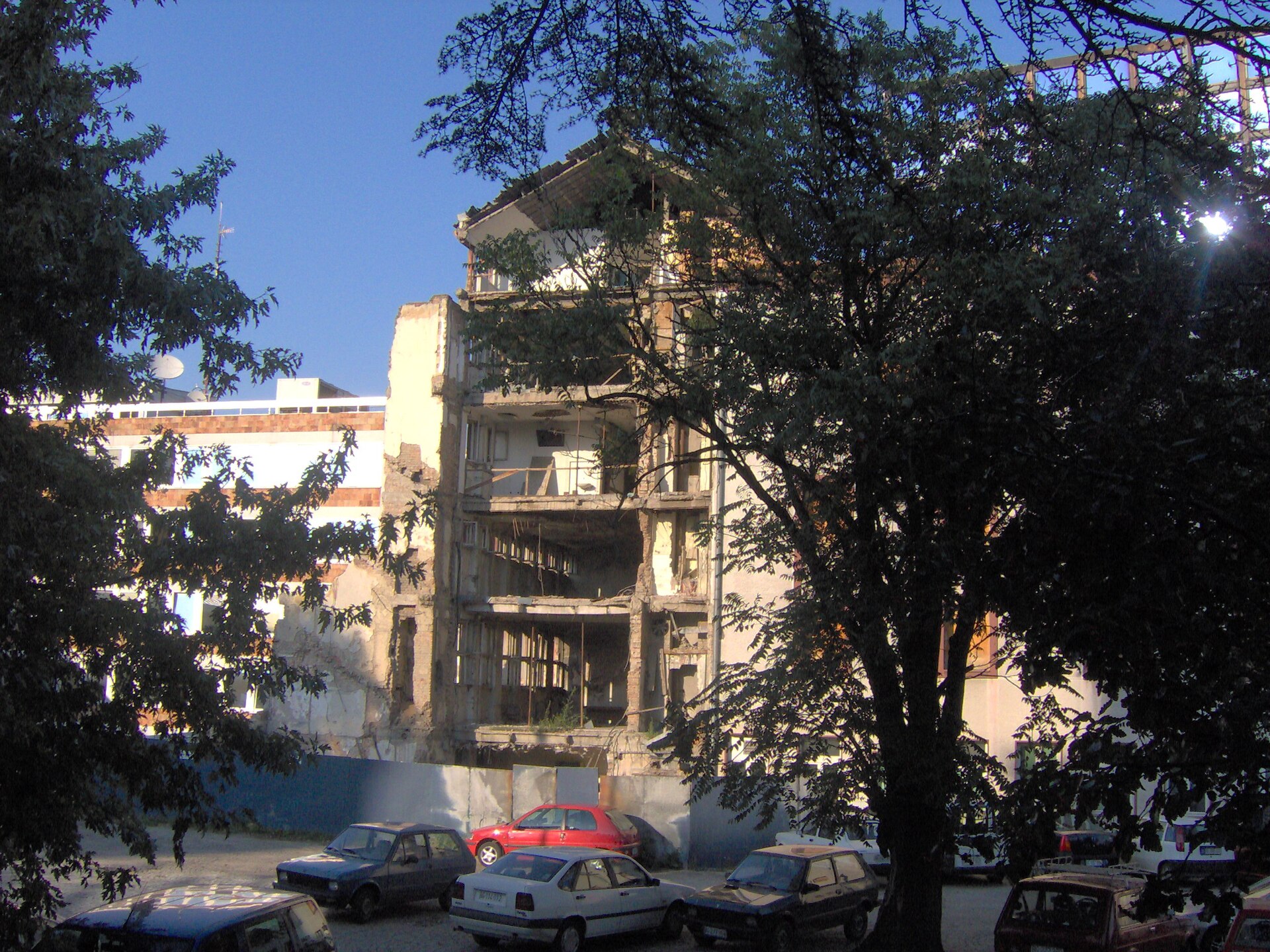
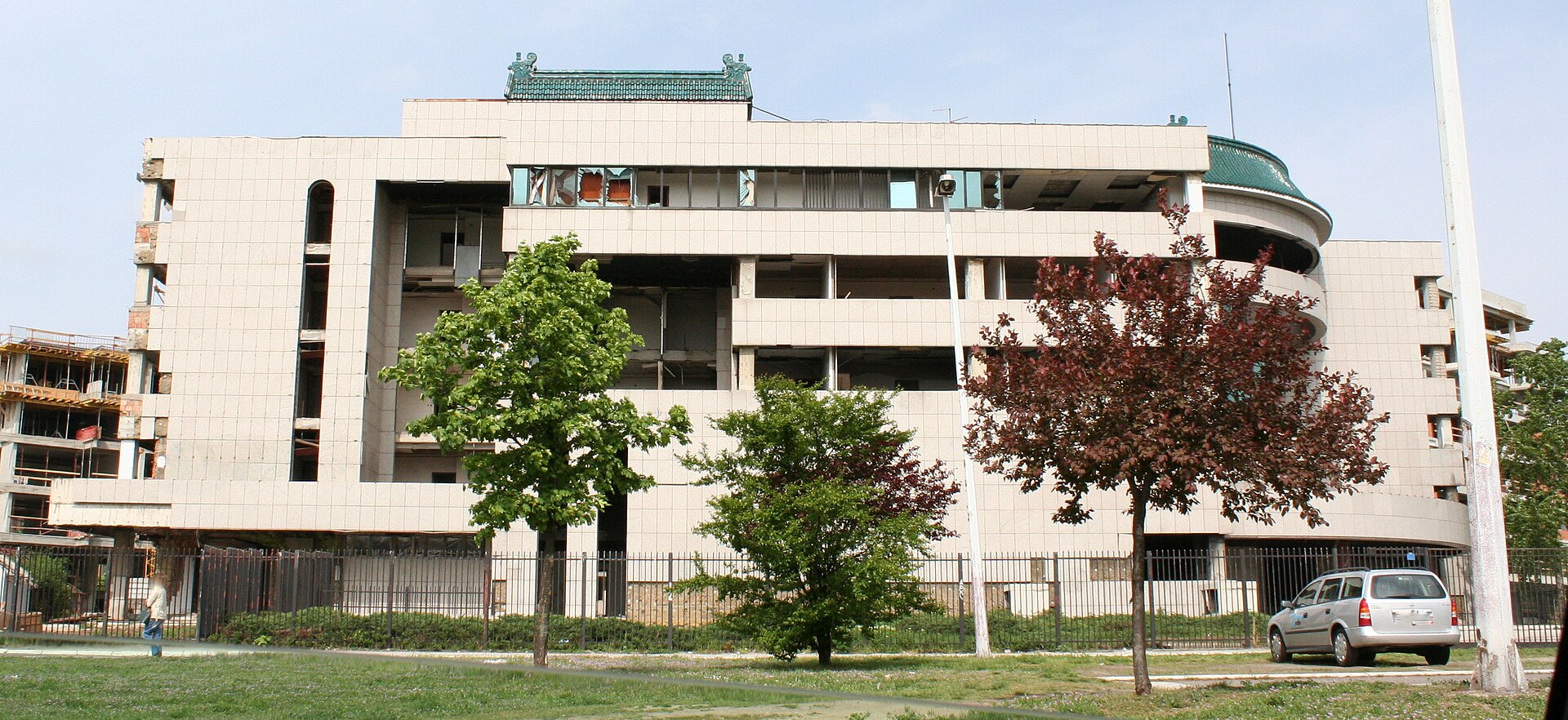
- As the Federal Republic of Yugoslavia it was the rump that remained after Slovenia, Croatia, Bosnia, and Macedonia broke away — and it spent the 1990s under Slobodan Milošević fighting the wars of the breakup, enduring sanctions, and absorbing 78 days of NATO airstrikes over Kosovo in 1999.
- The 2003 'state union' was a deliberately loose arrangement — each republic kept its own currency, customs, and army — fitted with a clause letting either side hold an independence vote after three years. Montenegro used it at the first opportunity.
Gallery
Watch
Sources
- Montenegro's independence referendum of 21 May 2006 returned 55.5% for independence on 86.5% turnout, just clearing the 55% threshold; Montenegro and Serbia then became separate states and the union dissolved Encyclopaedia Britannica
- Following the Montenegro referendum the state union of Serbia and Montenegro was dissolved, with Serbia continuing as the successor state in June 2006 Council of Europe Parliamentary Assembly
A graveyard tradition: leave a stone to show you came, and remembered.